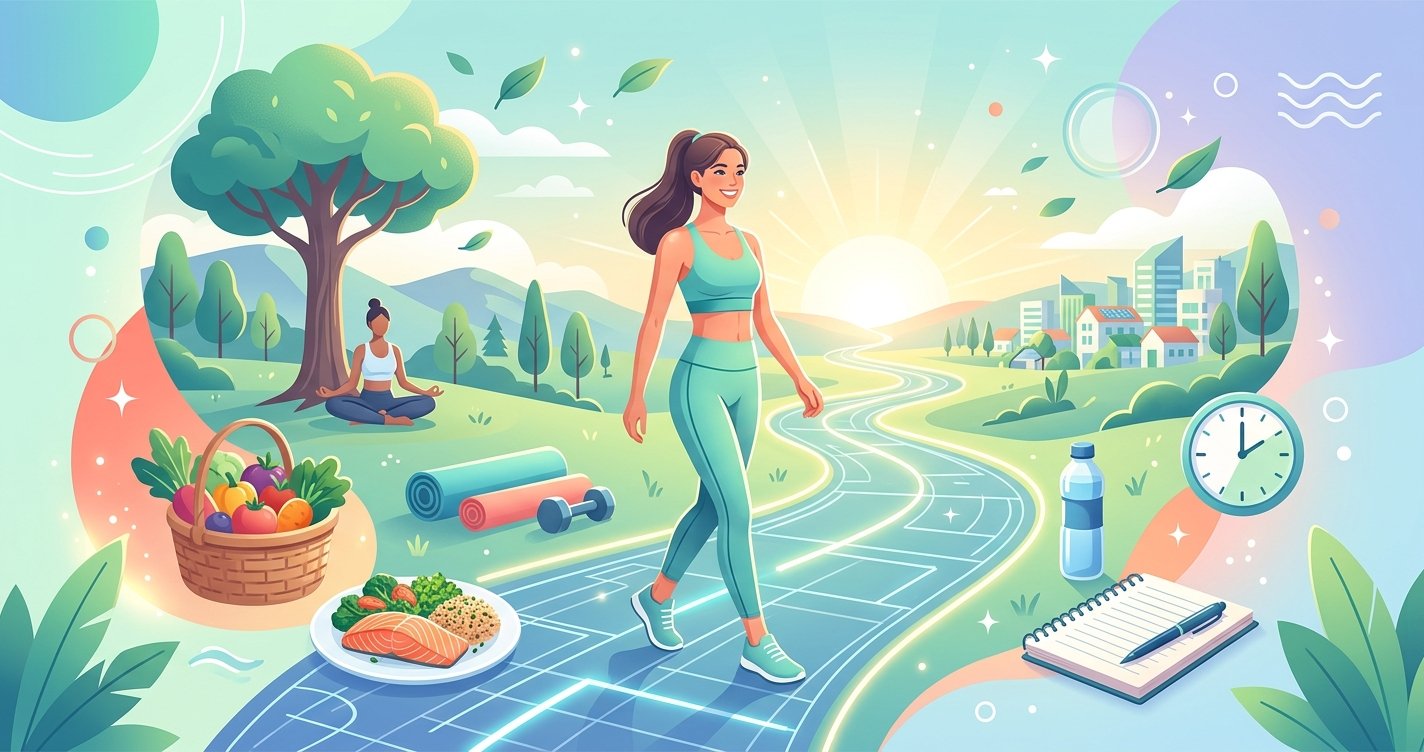
Embrace the Journey: Beyond the Scale for Lasting Fat Loss
Are you tired of the endless cycle of restrictive diets and intense workout routines that promise rapid fat loss but deliver only short-lived results? Many of us have been there, chasing quick fixes only to find ourselves back where we started, often feeling more frustrated and discouraged. The truth is, sustainable fat loss isn’t about deprivation or punishment; it’s about creating a harmonious lifestyle that supports your body and mind over the long term. It’s a holistic approach that extends far beyond just counting calories or hitting the gym.
In this comprehensive guide, we’ll dive into the evidence-based strategies for achieving lasting fat loss, moving past the “diet” mentality to foster genuine well-being. We’ll explore how nutrition, movement, sleep, stress management, and even your mindset all play crucial, interconnected roles in transforming your body composition and boosting your overall health. Get ready to discover a kinder, more effective path to a healthier, happier you. this excellent wellness product
The Foundation: Nutrition That Nourishes, Not Deprives
When it comes to fat loss, nutrition is undeniably king. However, it’s not about starving yourself or eliminating entire food groups. It’s about making informed choices that fuel your body, keep you satiated, and support metabolic health.
Understanding the Calorie Deficit (Simply)
At its core, fat loss requires a calorie deficit — consuming slightly fewer calories than your body burns. This forces your body to tap into its stored fat reserves for energy. But don’t get bogged down in extreme restriction! A moderate, sustainable deficit (e.g., 300-500 calories below maintenance) is far more effective long-term than drastic cuts that lead to burnout and nutrient deficiencies. Think of it as a gentle nudge, not a harsh push.
Prioritizing Protein: Your Muscle-Sparing Ally
If there’s one macronutrient to emphasize for sustainable fat loss, it’s protein. Here’s why:
- Satiety: Protein is incredibly filling, helping you feel fuller for longer and reducing cravings.
- Thermic Effect: Your body expends more energy digesting protein compared to fats and carbohydrates, slightly boosting your metabolism.
- Muscle Preservation: When in a calorie deficit, adequate protein intake helps preserve lean muscle mass, which is crucial for maintaining a healthy metabolism.
Aim for 0.7-1 gram of protein per pound of body weight daily, distributed across your meals. Think lean meats, poultry, fish, eggs, dairy, legumes, and protein supplements.
The Power of Whole Foods: Fiber and Micronutrients
Focus on nutrient-dense, whole foods — fruits, vegetables, whole grains, and healthy fats. These foods are packed with fiber, vitamins, and minerals that support overall health and satiety. Fiber, in particular, aids digestion, helps stabilize blood sugar, and keeps you feeling full. Limit highly processed foods, sugary drinks, and excessive amounts of unhealthy fats, which often contribute empty calories and hinder progress.
Move Your Body: Smart Exercise for Fat Loss and Beyond
While nutrition sets the stage, strategic exercise is the powerful co-star in your fat loss journey. It’s not just about burning calories; it’s about building strength, improving cardiovascular health, and boosting your metabolism.
Strength Training: Your Metabolism’s Best Friend
Don’t skip the weights! Strength training is perhaps the most underrated tool for sustainable fat loss. Building and maintaining muscle mass is vital because muscle is metabolically active, meaning it burns more calories at rest than fat tissue. This helps create a more efficient metabolism, even when you’re not exercising. Aim for 2-4 sessions per week, focusing on compound movements that work multiple muscle groups.
Cardiovascular Exercise: Heart Health and Calorie Burn
Cardio complements strength training beautifully. It improves heart health, endurance, and can contribute significantly to your daily calorie expenditure. You don’t need to spend hours on a treadmill; incorporate a mix of:
- Low-Intensity Steady State (LISS): Brisk walking, cycling, swimming for longer durations (30-60 minutes).
- High-Intensity Interval Training (HIIT): Short bursts of intense exercise followed by brief recovery periods (15-25 minutes).
Find activities you genuinely enjoy to make it a sustainable habit.
The Unsung Hero: NEAT (Non-Exercise Activity Thermogenesis)
NEAT refers to the calories burned through everyday movements that aren’t structured exercise — walking, fidgeting, taking the stairs, gardening. This often overlooked component can significantly impact your total daily energy expenditure. Look for opportunities to move more throughout your day: park further away, take standing breaks, walk during phone calls. These small changes add up!
The Crucial Pillars: Sleep, Stress, and Hydration
Often neglected, these “behind the scenes” factors can make or break your fat loss efforts. Ignoring them is like trying to build a house on shaky ground.
Sleep: Your Body’s Repair and Regulation Hub
Lack of sleep is a silent saboteur of fat loss. When you’re sleep-deprived, your body experiences hormonal havoc:
- Ghrelin (hunger hormone) increases: You feel hungrier.
- Leptin (satiety hormone) decreases: You don’t feel full.
- Cortisol (stress hormone) increases: Promotes fat storage, especially around the belly.
Aim for 7-9 hours of quality sleep per night. Establish a consistent sleep schedule, create a relaxing bedtime routine, and optimize your sleep environment.
Stress Management: Taming the Cortisol Beast
Chronic stress, like sleep deprivation, elevates cortisol levels. This not only encourages fat storage but can also lead to emotional eating and reduced motivation for healthy habits. Finding effective ways to manage stress is paramount. Consider:
- Mindfulness and meditation
- Yoga or deep breathing exercises
- Engaging in hobbies you love
- Spending time in nature
- Connecting with loved ones
Prioritize activities that help you unwind and recharge.
Hydration: Simple Yet Powerful
Staying adequately hydrated is a simple yet incredibly effective strategy. Water plays a crucial role in metabolism, nutrient transport, and detoxification. Sometimes, thirst can be mistaken for hunger, leading to unnecessary snacking. Drinking enough water can also help you feel fuller, especially before meals. Aim for at least 8 glasses (around 2 liters) of water daily, and more if you’re active or in a hot climate.
Cultivating a Winning Mindset: The Long Game
Your mental approach is the ultimate determinant of long-term success. Sustainable fat loss is as much a mental game as it is a physical one.
Ditching the Diet Mentality: Focus on Lifestyle Changes
Shift your perspective from “being on a diet” to “adopting a healthier lifestyle.” Diets are temporary; lifestyle changes are permanent. Focus on building habits you can maintain indefinitely, rather than temporary restrictions that leave you feeling deprived.
Patience and Consistency: The True Drivers of Success
Fat loss is rarely linear. There will be plateaus, fluctuations, and moments of frustration. Embrace the process, celebrate small victories, and understand that consistency over time yields the best results. Don’t seek perfection; seek progress.
Self-Compassion and Flexibility: Bouncing Back
You’re human, and occasional slip-ups are inevitable. Instead of dwelling on “failures” or resorting to an all-or-nothing mindset, practice self-compassion. Learn from the experience, adjust if needed, and get back on track with kindness. Flexibility is key to maintaining mental well-being and preventing burnout.
Tracking Progress (Beyond the Scale)
While the scale can be a useful tool, it only tells part of the story. Muscle gain, water retention, and hormonal fluctuations can all obscure true fat loss. Adopt a multi-faceted approach to tracking your progress:
- Body Measurements: Track your waist, hips, arms, and thighs every 2-4 weeks.
- Progress Photos: Take photos in the same lighting and clothing every month or so. Visual changes can be incredibly motivating.
- Energy Levels and Mood: Notice improvements in your daily energy, sleep quality, and overall mood.
- Clothing Fit: How do your clothes feel? This is often one of the first indicators of positive change.
- Strength Gains: Are you lifting more or performing better in your workouts?
Your Holistic Blueprint for Lasting Change
Sustainable fat loss isn’t a sprint; it’s a marathon — a journey of self-discovery and consistent effort. By adopting a holistic approach that integrates mindful nutrition, effective exercise, restorative sleep, stress management, and a resilient mindset, you’re not just losing fat; you’re building a healthier, stronger, and more vibrant version of yourself. Remember, every small, consistent step forward contributes to monumental, lasting change. You have the power to transform your health and well-being — one positive habit at a time. Embrace the process, be patient with yourself, and enjoy the incredible journey to a healthier, happier you.