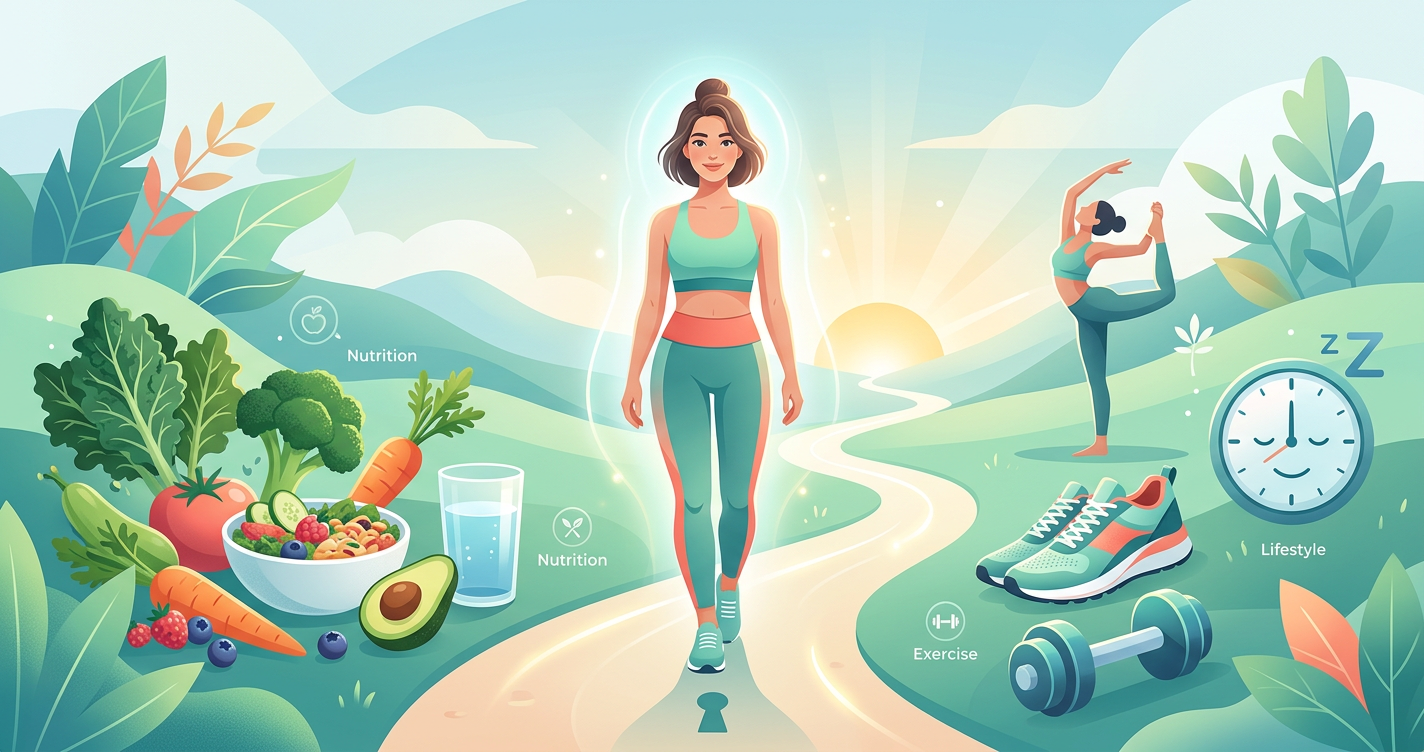
Are you tired of the endless cycle of restrictive diets, quick fixes, and disappointing results? You're not alone. The journey to fat loss can often feel overwhelming, but what if we told you there's a more effective, enjoyable, and sustainable path? This isn't about deprivation; it's about empowerment. It's about understanding your body, nourishing it wisely, and making lifestyle choices that support long-term health and a leaner you. Forget the crash diets and embrace a holistic approach that focuses on balanced nutrition, smart exercise, and crucial lifestyle adjustments. Let's embark on a journey to not just lose fat, but to keep it off for good, feeling energized and vibrant every step of the way. This comprehensive guide will equip you with evidence-based strategies to achieve sustainable fat loss, transforming your body and your relationship with health.
Understanding Sustainable Fat Loss: More Than Just the Scale
When we talk about fat loss, it's easy to get fixated on the number on the scale. But sustainable fat loss is a much broader concept. It's about reducing body fat while preserving lean muscle mass, improving metabolic health, boosting energy levels, and cultivating habits that you can maintain indefinitely. It’s a shift from short-term fixes to long-term health investments. this excellent wellness product
Why Crash Diets Fail
Crash diets promise rapid results, often through extreme calorie restriction or eliminating entire food groups. While you might see initial weight drop, much of this is typically water loss or even muscle mass. These diets are notoriously difficult to sustain, leading to nutrient deficiencies, decreased metabolism, and often, a rebound effect where you regain more weight than you lost. Your body interprets severe restriction as starvation, slowing down your metabolism to conserve energy, making subsequent fat loss even harder. They teach you nothing about healthy eating patterns and often foster an unhealthy relationship with food.
The Pillars of Lasting Change
True sustainable fat loss rests on several interconnected pillars: balanced nutrition, regular physical activity, adequate sleep, stress management, and a positive mindset. Neglecting any one of these can hinder your progress. We're not just aiming for a smaller waistline; we're aiming for a healthier, stronger, and happier you that can maintain these changes for life.
The Power of Balanced Nutrition for Fat Loss
Nutrition is arguably the single most important factor in fat loss. It's not about eating less; it's about eating smart. A balanced approach ensures your body gets all the essential nutrients it needs to function optimally, support muscle growth, and efficiently burn fat.
Protein: Your Fat Loss Ally
Protein is a superpower when it comes to fat loss. It’s highly satiating, meaning it keeps you feeling full for longer, reducing overall calorie intake. It also has a higher thermic effect of food (TEF) than carbs or fats, meaning your body burns more calories digesting it. Most importantly, protein is crucial for preserving and building lean muscle mass, which is metabolically active and helps burn more calories at rest.
- Aim for 20-30 grams of protein per meal.
- Excellent sources include lean meats (chicken, turkey, lean beef), fish, eggs, dairy (Greek yogurt, cottage cheese), legumes (lentils, beans), and plant-based proteins (tofu, tempeh, edamame).
Smart Carbs and Healthy Fats: Fueling Your Body Right
Carbohydrates often get a bad rap, but they are your body's primary energy source. The key is choosing the right kind. Opt for complex carbohydrates that are rich in fiber, providing sustained energy and satiety, rather than simple sugars that lead to energy crashes and fat storage.
- Complex Carbs: Whole grains (oats, brown rice, quinoa, whole-wheat bread), starchy vegetables (sweet potatoes, corn, peas), and fruits.
- Limit: Sugary drinks, white bread, pastries, and highly processed snacks.
Fats are essential for hormone production, nutrient absorption, and overall health. Don't fear healthy fats; they contribute to satiety and provide vital nutrients. The type of fat matters significantly.
- Healthy Fats: Avocados, nuts, seeds, olive oil, fatty fish (salmon, mackerel).
- Avoid: Trans fats found in many processed and fried foods.
The Magic of Fiber and Hydration
Fiber plays a critical role in satiety, digestive health, and blood sugar regulation. Found in fruits, vegetables, whole grains, and legumes, it helps you feel full without adding many calories.
- Increases satiety, reducing overall food intake.
- Supports a healthy gut microbiome, which is linked to metabolism.
Water is often overlooked but incredibly vital. Staying well-hydrated supports metabolism, helps with nutrient transport, and can even help curb appetite, as thirst is often mistaken for hunger.
- Aim for 8 glasses (2 liters) of water daily, more if you're active.
- Keep a water bottle handy to remind yourself to sip throughout the day.
Mindful Eating: Listening to Your Body
Beyond what you eat, how you eat matters. Mindful eating involves paying attention to your body's hunger and fullness cues, savoring your food, and eating without distractions. This practice can prevent overeating and foster a healthier relationship with food, shifting away from emotional eating.
- Eat slowly and chew thoroughly.
- Pay attention to the taste, texture, and smell of your food.
- Stop when you feel satisfied, not stuffed.
Moving Your Body: Exercise for Sustainable Results
While nutrition is paramount, incorporating regular physical activity is crucial for accelerating fat loss, building strength, improving cardiovascular health, and boosting your mood. It's about finding activities you enjoy and making them a consistent part of your routine.
Strength Training: Building a Fat-Burning Machine
Strength training is often underestimated in fat loss journeys, but it’s a game-changer. Building lean muscle mass increases your basal metabolic rate (BMR), meaning you burn more calories at rest. It also shapes your body, giving you a toned and strong physique.
- Aim for 2-4 strength training sessions per week, targeting all major muscle groups.
- Use weights, resistance bands, or bodyweight exercises.
- Focus on compound movements like squats, deadlifts, presses, and rows.
Cardio: Heart Health and Calorie Burn
Cardiovascular exercise is excellent for burning calories, improving heart health, and boosting endurance. While it’s less effective than strength training for long-term metabolic increases, it plays a vital role in creating a calorie deficit and improving overall fitness.
- Incorporate moderate-intensity cardio (brisk walking, jogging, cycling, swimming) for 150-300 minutes per week.
- Consider high-intensity interval training (HIIT) for shorter, intense bursts followed by recovery periods, which can be very effective for calorie burn and metabolic boost.
Finding Your Movement Joy
The best exercise is the one you'll stick with. Don't force yourself into activities you dread. Explore different options like dancing, hiking, team sports, or yoga. Finding joy in movement makes it sustainable and something you look forward to, rather than a chore.
Beyond Diet and Exercise: Lifestyle Factors That Matter
Fat loss isn't just about what you eat and how you move; it's deeply intertwined with your overall lifestyle. Overlooking these crucial elements can sabotage even the most diligent efforts.
The Crucial Role of Sleep
Lack of sleep can wreak havoc on your hormones, particularly those that regulate appetite. When you're sleep-deprived, your body produces more ghrelin (hunger hormone) and less leptin (satiety hormone), leading to increased cravings, especially for high-calorie, high-carb foods. Poor sleep also impacts your energy levels, making it harder to stick to your exercise routine and make healthy food choices.
- Aim for 7-9 hours of quality sleep per night.
- Establish a consistent sleep schedule, even on weekends.
- Create a relaxing bedtime routine and optimize your sleep environment (dark, cool, quiet).
Stress Management for Fat Loss
Chronic stress triggers the release of cortisol, a hormone that can promote fat storage, particularly around the abdominal area. Stress can also lead to emotional eating and reduced motivation for healthy habits. Finding effective ways to manage stress is paramount for sustainable fat loss and overall well-being.
- Practice mindfulness or meditation.
- Engage in hobbies or activities you enjoy.
- Spend time in nature.
- Consider journaling or talking to a trusted friend or professional.
Building a Supportive Environment
Your environment plays a significant role in your success. Surround yourself with people who uplift and support your health goals. Make your home a "health hub" by stocking it with nutritious foods and removing temptations. Plan meals, prep snacks, and create systems that make healthy choices easy and convenient.
Setting Realistic Goals and Tracking Progress
Sustainable fat loss is a marathon, not a sprint. Setting realistic expectations and focusing on consistent progress, rather than perfection, is key to staying motivated and achieving lasting results.
Non-Scale Victories: Celebrating Every Step
While the scale can be one metric, it doesn't tell the whole story. Focus on non-scale victories (NSVs) to keep your spirits high. These can include:
- Improved energy levels and mood.
- Clothes fitting better.
- Increased strength and endurance.
- Better sleep quality.
- Developing healthier eating habits.
- Positive changes in body composition (e.g., measuring tape, progress photos).
Celebrate these milestones! They are clear indicators of your progress and the positive impact your efforts are having on your health.
Consistency Over Perfection
There will be days when you miss a workout or indulge in a treat. That's perfectly normal. The key is not to let one slip-up derail your entire journey. Learn from it, adjust, and get back on track with your next meal or workout. Consistency in your overall healthy habits will yield far better results than striving for unattainable perfection.
Sustainable fat loss is not about chasing an arbitrary number on the scale; it's about embracing a lifestyle that prioritizes your health, energy, and well-being. By focusing on balanced, nutrient-dense nutrition, incorporating enjoyable physical activity, prioritizing sleep, managing stress, and fostering a positive mindset, you can achieve lasting results. Remember, this is your unique journey. Be patient with yourself, celebrate every small victory, and trust the process. You have the power to transform not just your body, but your entire life, for a healthier, happier, and more vibrant future. Start today, one healthy choice at a time, and unlock the sustainable fat loss you deserve.