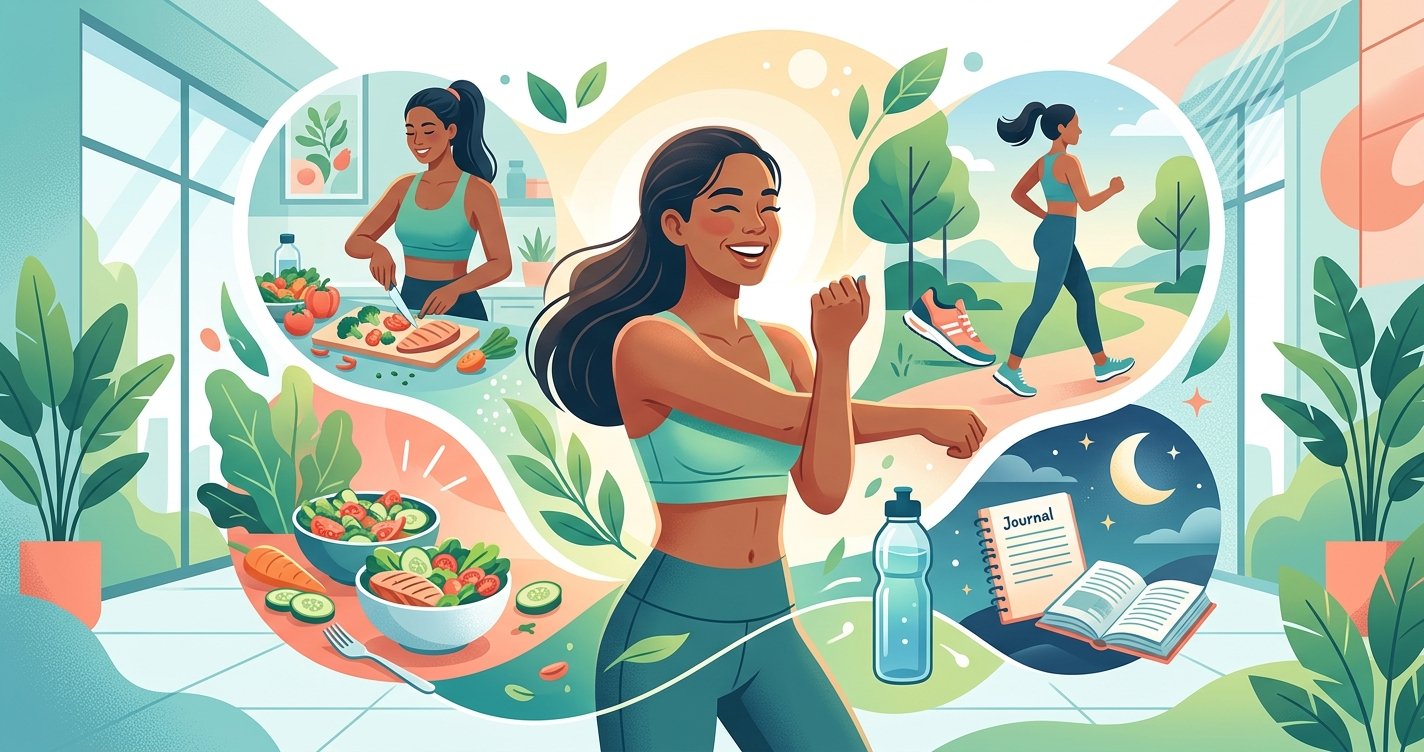
Tired of the weight loss roller coaster? You know the drill: extreme diets, rapid weight loss, only to gain it all back (and sometimes more) a few months later. It's frustrating, demotivating, and frankly, exhausting. But what if there was a better way? A sustainable path to fat loss that doesn't involve deprivation, endless cardio, or magic pills?
Good news: there is! This isn't about quick fixes; it's about understanding your body, making informed choices, and building habits that support your health and fitness goals for the long haul. Let's ditch the diet mentality and embrace a friendly, evidence-based approach to sustainable fat loss. this excellent wellness product
The Core Principle: Understanding Your Calorie Deficit
At its heart, fat loss boils down to one fundamental truth: you need to consume fewer calories than your body burns. This is known as a calorie deficit. Sounds simple, right? While the concept is straightforward, implementing it effectively and sustainably is where many people stumble.
What is a Calorie Deficit?
Imagine your body as a car. Food is the fuel. Your daily activities (breathing, walking, exercising, even thinking!) burn that fuel. If you put in less fuel than you burn, your body starts to tap into its stored energy reserves – primarily fat – for power. That's fat loss in action.
How to Create a Smart Deficit (Not Too Drastic!)
The key here is 'smart'. A drastic calorie cut might lead to quick initial weight loss, but it's often unsustainable. It can slow your metabolism, lead to muscle loss, nutrient deficiencies, and intense cravings, making you more likely to rebound. A gentle deficit of 300-500 calories below your maintenance level is typically recommended. This allows for steady, healthy fat loss (around 1-2 pounds per week) without feeling deprived. You can estimate your maintenance calories using online calculators, but remember, these are just starting points. Listening to your body and tracking your intake for a few days can help you find your sweet spot.
Fueling Your Body Right: Nutrition for Sustainable Fat Loss
While a calorie deficit is non-negotiable, how you achieve it makes all the difference. Focusing on nutrient-dense foods will keep you feeling full, energized, and nourished.
Prioritize Protein: The Satiety Superstar
Protein is your best friend when it comes to fat loss. It's incredibly satiating, meaning it keeps you feeling full for longer, reducing the likelihood of snacking. It also has a higher thermic effect, meaning your body burns more calories digesting it. Aim for a good source of lean protein at every meal: chicken, fish, eggs, Greek yogurt, tofu, lentils, or lean beef.
Embrace Fiber: Your Digestive Ally
Foods rich in fiber – think fruits, vegetables, whole grains, and legumes – add bulk to your meals without adding many calories. Fiber slows digestion, helps regulate blood sugar, and promotes a healthy gut, all of which contribute to better appetite control and overall well-being. Fill half your plate with colorful veggies!
Don't Fear Healthy Fats
Fats have been unfairly demonized, but healthy fats are crucial for hormone production, nutrient absorption, and satiety. Avocados, nuts, seeds, olive oil, and fatty fish (like salmon) are excellent choices. Just remember that fats are calorie-dense, so portion control is key.
The Power of Whole Foods (and why to limit ultra-processed)
Focus on whole, unprocessed foods whenever possible. These foods are packed with vitamins, minerals, and antioxidants. Ultra-processed foods, on the other hand, are often high in sugar, unhealthy fats, and refined carbs, making them less satiating and easier to overeat. Swapping out a bag of chips for an apple or a sugary drink for water can make a huge difference.
Hydration: Often Overlooked, Always Important
Water is essential for every bodily function. Staying well-hydrated can also help you feel fuller, sometimes preventing you from mistaking thirst for hunger. Aim for at least 8 glasses of water a day, more if you're active.
Move Your Body: Exercise as a Catalyst, Not a Punishment
While you can't out-exercise a poor diet, physical activity plays a vital role in sustainable fat loss. It helps create a calorie deficit, preserves muscle mass (which is crucial for a healthy metabolism), and offers a myriad of health benefits beyond weight.
Strength Training: Build Muscle, Boost Metabolism
Lifting weights isn't just for bodybuilders! Strength training helps you build and maintain muscle mass. More muscle means a higher resting metabolism, meaning your body burns more calories even when you're at rest. Aim for 2-3 full-body strength sessions per week.
Cardio: For Heart Health and Calorie Burn
Cardiovascular exercise, like brisk walking, jogging, cycling, or swimming, is excellent for burning calories and improving heart health. Find an activity you enjoy and aim for at least 150 minutes of moderate-intensity cardio per week. Remember, it doesn't have to be high-intensity interval training (HIIT) all the time; even a daily walk adds up!
NEAT: The Unsung Hero of Daily Activity
NEAT stands for Non-Exercise Activity Thermogenesis. This refers to all the calories you burn from activities that aren't formal exercise – walking around the house, taking the stairs, fidgeting, gardening, or standing at your desk. Increasing your NEAT throughout the day can significantly boost your daily calorie expenditure without feeling like a workout. Get a step tracker and aim for 7,000-10,000 steps daily!
Beyond Food and Exercise: Lifestyle Factors That Matter
Sustainable fat loss isn't just about what you eat and how much you move. Your lifestyle plays a massive role in your body's ability to shed fat and stay healthy.
Quality Sleep: Recover and Regulate Hormones
Lack of sleep can wreak havoc on your hormones, particularly ghrelin (the hunger hormone) and leptin (the satiety hormone). When you're sleep-deprived, ghrelin levels rise, making you feel hungrier, while leptin levels drop, making it harder to feel full. Aim for 7-9 hours of quality sleep per night.
Stress Management: Taming the Cortisol Beast
Chronic stress leads to elevated cortisol levels. High cortisol can promote fat storage, especially around the belly, and increase cravings for unhealthy comfort foods. Find healthy ways to manage stress, whether it's meditation, yoga, spending time in nature, or hobbies you enjoy.
Mindful Eating: Reconnect with Your Body's Signals
Mindful eating involves paying attention to your food, savoring each bite, and recognizing your body's hunger and fullness cues. This helps prevent overeating and fosters a healthier relationship with food. Put away distractions, eat slowly, and truly taste your meals.
Building Lasting Habits: Consistency Over Perfection
The journey to sustainable fat loss is a marathon, not a sprint. There will be good days and challenging days. The key is consistency and resilience.
Set Realistic Goals
Instead of aiming to lose 20 pounds in a month, focus on smaller, achievable goals. Perhaps it's adding a vegetable to every meal, walking 30 minutes daily, or hitting your protein target. Small wins build momentum and confidence.
Track Your Progress (But Don't Obsess)
Monitoring your food intake (for a period), weight, measurements, or how your clothes fit can provide valuable feedback. However, don't let the scale dictate your mood. Weight fluctuates daily due to water retention and other factors. Look at trends over weeks and months.
Seek Support and Accountability
Share your goals with a trusted friend, family member, or join a supportive community. Having someone to cheer you on or hold you accountable can make a significant difference in staying motivated.
Celebrate Small Victories
Achieved a new personal best in the gym? Successfully resisted a craving? Walked every day this week? Celebrate these small victories! Acknowledging your progress keeps you engaged and positive.
Conclusion: Your Journey to a Healthier You
Sustainable fat loss isn't about rigid rules or quick fixes; it's about making gradual, evidence-based changes to your nutrition, exercise, and lifestyle that you can maintain for life. It's about empowering yourself with knowledge, listening to your body, and treating it with kindness and respect. Ditch the diet mentality, embrace these sustainable habits, and embark on a journey toward a healthier, happier, and more energetic you. You've got this!