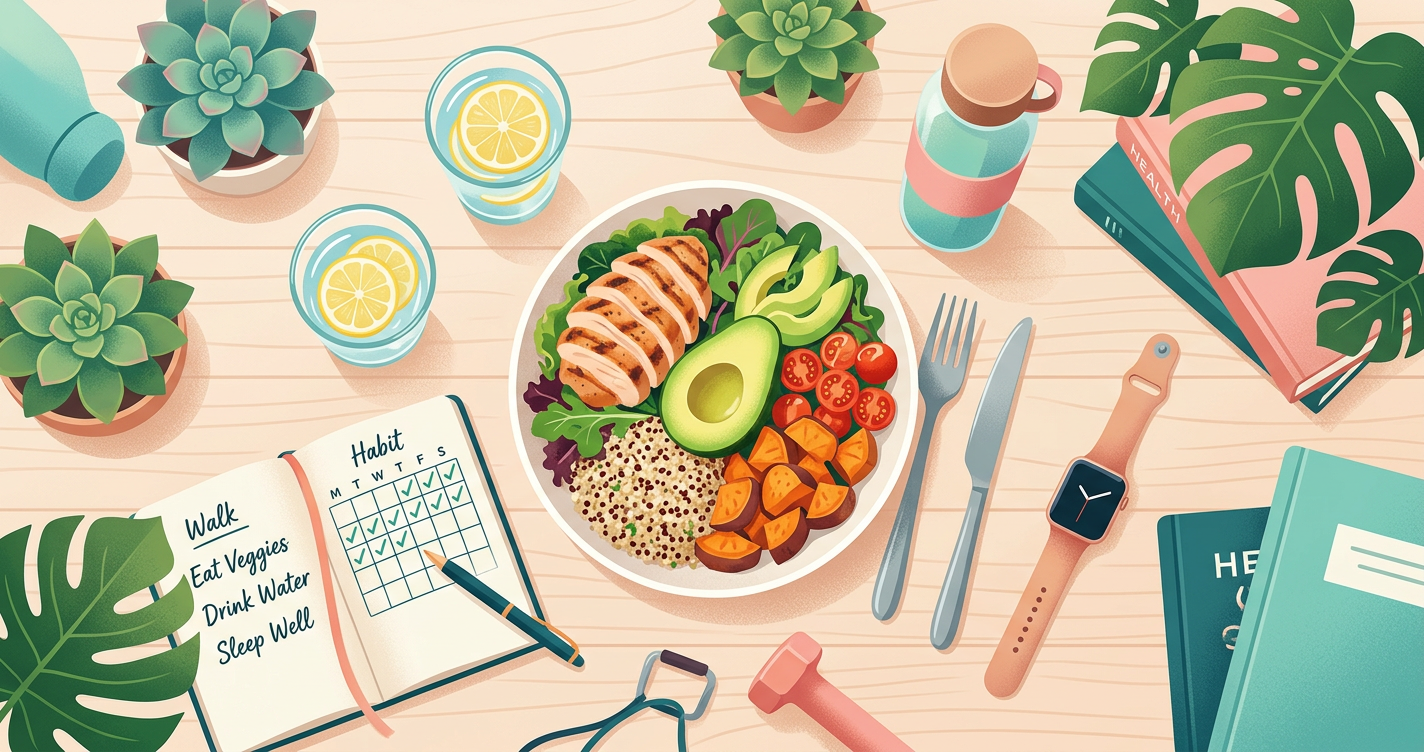
Are you tired of the endless cycle of restrictive diets, quick fixes, and the frustration of losing weight only to gain it back? You’re not alone. In a world saturated with promises of rapid transformations, it’s easy to get lost in the noise. But what if we told you that true, lasting fat loss isn't about deprivation, but about building sustainable habits that seamlessly integrate into your life?
This isn't just another diet plan. This is a guide to understanding your body, making informed choices, and fostering a lifestyle that supports not just fat loss, but overall health and well-being for the long haul. We're going to dive into evidence-based strategies, offering friendly encouragement every step of the way. Let’s ditch the quick fixes and embrace a journey towards a healthier, happier you. this excellent wellness product
Understanding the Core Principle: The Calorie Deficit (Simply Explained)
At its heart, fat loss boils down to one fundamental principle: a calorie deficit. This simply means consuming slightly fewer calories than your body burns. Think of your body as a car; it needs fuel (calories) to run. If you put in less fuel than it needs for its daily journey, it starts to tap into its reserves (stored fat) for energy.
Now, before you picture starvation, let’s be clear: this isn't about extreme restriction. It’s about making smart, mindful choices that allow you to eat satisfying meals while still achieving that slight deficit. A sustainable deficit is typically 300-500 calories below your maintenance level. This allows for gradual, consistent fat loss (around 1-2 pounds per week) without sacrificing energy, muscle, or your sanity. It’s a marathon, not a sprint, and slow and steady truly wins the race when it comes to lasting results.
Nutrition for Lasting Fat Loss: Fueling Your Body Smartly
Your plate is your most powerful tool in the fat loss journey. But instead of focusing on what you can't eat, let's shift our perspective to what amazing, nourishing foods you can add to your diet.
Prioritize Protein: Your Satiety Secret Weapon
- Why it matters: Protein is king for fat loss. It’s incredibly satiating, meaning it keeps you feeling fuller for longer, reducing the urge to snack. It also has a higher thermic effect of food (TEF), meaning your body burns more calories digesting protein than carbs or fats. Crucially, protein helps preserve lean muscle mass during a calorie deficit, which is vital for maintaining a healthy metabolism.
- How to include it: Aim for a protein source with every meal. Think lean meats (chicken, turkey, lean beef), fish, eggs, dairy (Greek yogurt, cottage cheese), legumes (lentils, beans), and plant-based options like tofu and tempeh.
Embrace Whole Foods: Fiber, Nutrients & Sustained Energy
- Why it matters: Whole, unprocessed foods are packed with fiber, vitamins, and minerals. Fiber adds bulk to your meals, aids digestion, and helps regulate blood sugar, preventing energy crashes and subsequent cravings. They provide sustained energy, helping you feel vibrant and ready to tackle your day.
- How to include it: Fill half your plate with a variety of colorful vegetables at every meal. Opt for whole grains like oats, quinoa, and brown rice over refined grains. Choose whole fruits over fruit juices.
Don't Fear Healthy Fats: Essential for Health & Satiety
- Why it matters: While fats are calorie-dense, healthy fats are crucial for hormone production, nutrient absorption, and overall cell function. They also contribute significantly to satiety. The key is moderation and choosing the right types.
- How to include it: Incorporate sources like avocados, nuts, seeds, olive oil, and fatty fish (salmon, mackerel) in appropriate portions.
Hydration is Key: More Than Just Quenching Thirst
- Why it matters: Water plays a vital role in every bodily function, including metabolism. Sometimes, our bodies confuse thirst with hunger, leading to unnecessary snacking. Staying well-hydrated can help curb appetite and keep your energy levels up.
- How to include it: Aim for 8-10 glasses of water a day. Keep a water bottle handy and sip throughout the day. Herbal teas are also a great option.
Movement That Matters: Beyond Just "Burning Calories"
While nutrition is paramount, incorporating regular physical activity is a non-negotiable component of sustainable fat loss. It's not just about burning calories in the moment; it's about building a stronger, more efficient body.
Strength Training: Build Muscle, Boost Metabolism
- Why it matters: Strength training is incredibly effective for fat loss because it builds lean muscle mass. Muscle is metabolically active tissue, meaning it burns more calories at rest than fat does. The more muscle you have, the higher your resting metabolism, making it easier to maintain a calorie deficit and keep fat off long-term.
- How to include it: Aim for 2-4 strength training sessions per week, targeting major muscle groups. You can use weights, resistance bands, or even your own body weight.
Cardio for Heart Health and Energy: Not Just Endless Running
- Why it matters: Cardiovascular exercise improves heart health, increases endurance, and burns calories. It also boosts mood and reduces stress.
- How to include it: Find cardio you enjoy! Brisk walking, jogging, cycling, swimming, dancing, or hiking. Aim for at least 150 minutes of moderate-intensity cardio per week.
NEAT (Non-Exercise Activity Thermogenesis): The Overlooked Gem
- Why it matters: NEAT refers to the calories burned through everyday activities that aren't formal exercise – walking, fidgeting, taking the stairs, cleaning. These small movements add up significantly over a day and can make a big difference in your overall calorie expenditure.
- How to include it: Park further away, take the stairs, stand while working, walk during phone calls, do some light stretching. Look for opportunities to move more throughout your day.
The Unsung Heroes: Sleep, Stress, and Mindset
Often overlooked, these three pillars are just as critical as diet and exercise for sustainable fat loss. Neglecting them can sabotage even the most diligent efforts.
The Power of Sleep: Your Body's Reset Button
- Why it matters: Poor sleep disrupts hormones that regulate appetite (ghrelin and leptin), making you hungrier and more prone to cravings for unhealthy foods. It also increases cortisol (the stress hormone), which can promote fat storage, especially around the belly. Quality sleep aids muscle recovery and improves energy levels for your workouts.
- How to include it: Aim for 7-9 hours of quality sleep per night. Establish a consistent sleep schedule, create a relaxing bedtime routine, and optimize your sleep environment (dark, quiet, cool).
Taming Stress: Cortisol's Impact on Fat Storage
- Why it matters: Chronic stress leads to elevated cortisol levels. High cortisol can increase appetite, promote sugar cravings, and encourage your body to store fat, particularly in the abdominal area.
- How to include it: Identify your stressors and find healthy coping mechanisms. This could include meditation, yoga, spending time in nature, deep breathing exercises, hobbies, or talking to a trusted friend or therapist.
Cultivating a Growth Mindset: Patience, Self-Compassion & Consistency
- Why it matters: Fat loss is a journey with ups and downs. A positive and resilient mindset is essential for navigating challenges and staying motivated. Focusing on progress, not perfection, and practicing self-compassion are key.
- How to include it: Celebrate small victories, learn from setbacks instead of letting them derail you, and be kind to yourself. Understand that consistency over time yields results, not flawless execution every single day.
Practical Strategies for Building Sustainable Habits
Now that you understand the core components, let's talk about how to weave these into your daily life effectively.
Start Small, Build Gradually: The Power of Micro-Habits
Don’t try to overhaul everything at once. Pick one or two small, manageable habits to focus on each week. For example: “I will drink a glass of water before each meal” or “I will take a 15-minute walk after dinner.” Once that habit feels natural, add another. This gradual approach builds confidence and makes changes feel less daunting.
Track Progress (Not Just the Scale): A Holistic View
The scale is just one metric. Also consider: your energy levels, how your clothes fit, strength improvements in the gym, body measurements, progress photos, and your overall mood. These non-scale victories often provide more motivation and a truer picture of your progress.
Meal Prep & Planning: Making Healthy Choices Easier
Spend a little time each week planning your meals and snacks. Prepare ingredients or entire meals in advance. Having healthy options readily available reduces the likelihood of impulse, unhealthy choices when hunger strikes.
Seek Support: You Don't Have to Do It Alone
Share your goals with supportive friends or family. Consider joining a fitness community, or even working with a qualified coach or nutritionist. Having a support system can provide accountability, encouragement, and valuable insights.
Learn to Listen to Your Body: Hunger & Fullness Cues
Practice mindful eating. Eat slowly, savor your food, and pay attention to your body’s signals. Eat when you’re genuinely hungry and stop when you’re comfortably full, not stuffed. This helps you regulate portion sizes naturally.
Your Journey to Lasting Fat Loss Starts Today
Sustainable fat loss isn't about chasing an unrealistic ideal; it's about building a healthier, stronger, and more confident you from the inside out. It requires patience, consistency, and a holistic approach that embraces nutrition, movement, sleep, stress management, and a positive mindset.
Remember, every small, consistent step forward is progress. Be kind to yourself, celebrate your efforts, and trust the process. You have the power to create lasting habits that will not only help you achieve your fat loss goals but also enhance every aspect of your life. What small, sustainable habit will you start building today?