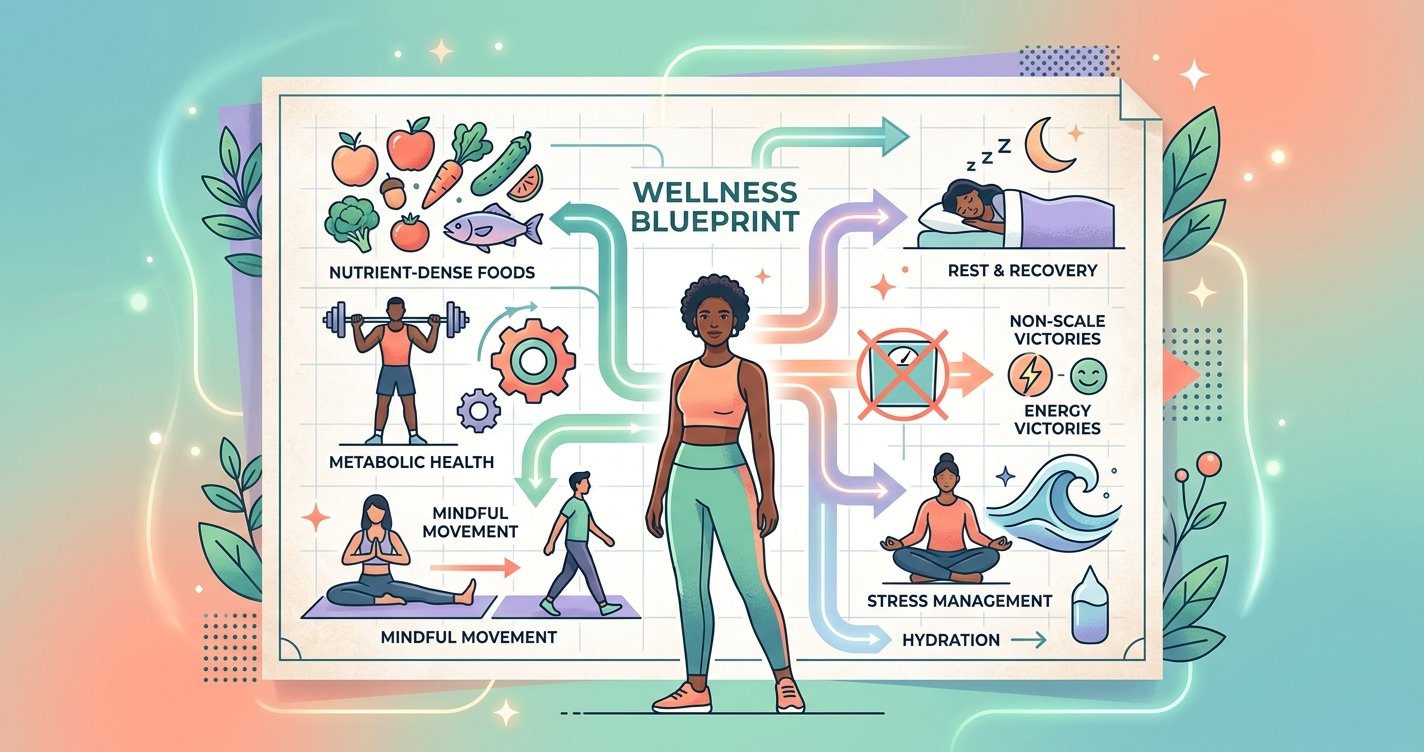
Beyond the Scale: Your Blueprint for Sustainable Fat Loss & Lasting Health
Are you tired of the endless cycle of restrictive diets, intense workouts, and the frustrating 'yo-yo' effect? You’re not alone. Many of us have been caught in the trap of chasing quick fixes, only to find ourselves back where we started, often feeling more discouraged than before. What if I told you there’s a better way? A path to fat loss that doesn’t involve deprivation or extreme measures, but rather focuses on building sustainable habits for lasting health and a body you love living in.
This isn't about fleeting results; it's about transforming your relationship with food, movement, and your own body. We’ll explore evidence-based strategies that prioritize your well-being, helping you shed fat effectively and, more importantly, keep it off for good. Get ready to ditch the quick fixes and embrace a journey towards a healthier, happier you. this excellent wellness product
Understanding Sustainable Fat Loss: More Than Just Calories In, Calories Out
For decades, the prevailing wisdom around fat loss has been a simplistic equation: eat less, move more. While the concept of a calorie deficit is fundamental for fat loss, it’s far from the whole story. Sustainable fat loss acknowledges that our bodies are complex, influenced by hormones, sleep, stress, and even our mindset. It’s about creating an environment where your body can thrive, naturally releasing excess fat, rather than forcing it through unsustainable restriction.
- Metabolic Adaptation: Extreme calorie restriction can slow your metabolism, making it harder to lose weight and easier to regain it. Sustainable approaches aim to preserve metabolic health.
- Hormonal Balance: Hormones like insulin, leptin, ghrelin, and cortisol play crucial roles in hunger, satiety, and fat storage. Our lifestyle choices significantly impact their balance.
- Overall Well-being: True fat loss contributes to better energy levels, improved mood, and reduced risk of chronic diseases, not just a lower number on the scale.
The goal isn't just to lose weight, but to improve your body composition (more muscle, less fat) and enhance your overall health and vitality.
The Cornerstone of Nutrition: Fueling Your Body Smartly
When it comes to fat loss, nutrition is king. But smart fueling isn't about starvation; it's about nourishing your body with the right foods to support energy, satiety, and metabolic function.
Prioritize Protein and Fiber
Protein is your best friend for fat loss. It's highly satiating, helping you feel fuller for longer, and it has a higher thermic effect, meaning your body burns more calories digesting it. Adequate protein intake is also crucial for preserving muscle mass during a calorie deficit.
- Sources: Lean meats, poultry, fish, eggs, dairy, legumes, tofu, tempeh.
Fiber, found in fruits, vegetables, and whole grains, also contributes to satiety, aids digestion, and helps regulate blood sugar levels, preventing energy crashes and cravings.
- Sources: Berries, leafy greens, broccoli, oats, lentils, beans.
Embrace Healthy Fats and Complex Carbohydrates
Don't fear fats! Healthy fats are essential for hormone production, nutrient absorption, and satiety. Think avocados, nuts, seeds, and olive oil. They provide a lot of energy and keep you feeling satisfied.
Complex carbohydrates (whole grains, sweet potatoes, brown rice) provide sustained energy and essential nutrients, unlike refined carbs which can lead to blood sugar spikes and crashes. Timing your carb intake around workouts can be particularly beneficial.
Mindful Eating and Hydration
Pay attention to your body's hunger and fullness cues. Eat slowly, savor your food, and put away distractions. This practice of mindful eating can prevent overeating and improve digestion.
And don't forget water! Staying well-hydrated is vital for metabolism, energy levels, and can even help manage hunger, as thirst is often mistaken for hunger.
Moving Your Body: The Power of Intelligent Exercise
Exercise isn't just about burning calories; it's about building a stronger, more resilient body that's more efficient at burning fat. A balanced approach combines strength training with cardiovascular exercise and daily movement.
Strength Training: Your Metabolic Supercharger
If you're serious about sustainable fat loss, strength training is non-negotiable. Building and maintaining muscle mass is critical because muscle is metabolically active, meaning it burns more calories at rest than fat tissue. This boosts your resting metabolism, making it easier to maintain a healthy weight long-term.
- Aim for 2-4 sessions per week, focusing on compound movements (squats, deadlifts, presses).
- You don't need heavy weights; bodyweight exercises or resistance bands are great starting points.
Cardiovascular Exercise: Heart Health and Calorie Burn
Cardio improves heart health, endurance, and contributes to your overall calorie expenditure. Don't feel pressured to run marathons. Find activities you genuinely enjoy.
- Moderate-intensity: Brisk walking, cycling, swimming (30-60 minutes, 3-5 times a week).
- High-Intensity Interval Training (HIIT): Short bursts of intense effort followed by recovery (15-20 minutes, 1-2 times a week, if appropriate for your fitness level).
The Power of Everyday Movement (NEAT)
Don't underestimate Non-Exercise Activity Thermogenesis (NEAT). This includes all the calories you burn from daily activities outside of structured exercise – walking, standing, fidgeting, taking the stairs. Increasing your NEAT can significantly boost your daily calorie expenditure without feeling like a workout.
- Take the stairs instead of the elevator.
- Park further away.
- Walk during phone calls.
- Set reminders to stand up and move every hour.
The Unsung Heroes: Sleep, Stress, and Hydration
Often overlooked, these three pillars are fundamental to sustainable fat loss. Neglecting them can sabotage even the most disciplined diet and exercise routines.
The Crucial Role of Sleep
Lack of sleep wreaks havoc on your hormones. It increases ghrelin (the hunger hormone) and decreases leptin (the satiety hormone), making you feel hungrier and less satisfied. It also elevates cortisol (the stress hormone), which can promote fat storage, particularly around the midsection.
- Aim for 7-9 hours of quality sleep per night.
- Establish a consistent sleep schedule.
- Create a relaxing bedtime routine.
Managing Stress for Fat Loss
Chronic stress keeps cortisol levels elevated, which, as mentioned, can lead to increased appetite and fat accumulation. Finding healthy ways to manage stress is vital.
- Practice mindfulness or meditation.
- Engage in hobbies you enjoy.
- Spend time in nature.
- Connect with loved ones.
- Consider journaling to process thoughts.
Hydration: A Simple Yet Powerful Tool
We touched on water earlier, but its importance can't be overstated. Proper hydration supports every metabolic process in your body. It helps with nutrient transport, waste elimination, and can even slightly boost your metabolism.
- Carry a water bottle with you.
- Drink a glass of water before each meal.
- Flavor water with fruit slices if plain water is boring.
Cultivating a Winning Mindset: Patience, Persistence, and Self-Compassion
Fat loss is a journey, not a destination. Your mindset is perhaps the most powerful tool in your arsenal. Without the right mental approach, even the best strategies can falter.
Embrace Progress, Not Perfection
There will be days when you slip up, plateaus that test your resolve, and moments of frustration. This is normal! Sustainable fat loss isn't about being perfect; it's about being consistent and getting back on track after a setback. Focus on the progress you've made, no matter how small.
Patience and Persistence Are Key
Real, lasting change takes time. Quick fixes offer immediate gratification but rarely last. Trust the process, celebrate small victories, and understand that your body needs time to adapt and respond. Don't get discouraged if the scale doesn't move every day; focus on how your clothes fit, your energy levels, and your overall well-being.
Practice Self-Compassion
Treat yourself with the same kindness and understanding you would offer a friend. Negative self-talk and harsh criticism only make the journey harder. Acknowledge your efforts, forgive your imperfections, and approach challenges with curiosity rather than judgment.
Building Lasting Habits: Small Changes, Big Impact
The secret to sustainable fat loss lies in transforming your lifestyle through small, manageable changes that compound over time. Don't try to overhaul everything at once. Pick one or two habits to focus on, master them, and then add another.
- Start Small: Instead of cutting out all sugar, try reducing your soda intake by one can a day. Instead of a 60-minute workout, start with two 15-minute walks.
- Be Consistent: Doing something consistently, even if it's small, is far more effective than sporadic, intense efforts.
- Focus on One Habit at a Time: Overwhelm leads to burnout. Master drinking more water before tackling daily walks.
- Seek Support: Share your goals with a supportive friend or family member, join a community, or consider working with a coach. Accountability and encouragement can make a huge difference.
- Track Your Progress: This isn't just about the scale. Track your energy levels, mood, sleep quality, strength gains, or how your clothes fit. Seeing tangible progress is incredibly motivating.
Your Journey to Lasting Health
Sustainable fat loss isn't a race; it's a profound journey towards a healthier, more vibrant you. By focusing on nourishing your body, moving intelligently, prioritizing sleep and stress management, and cultivating a resilient mindset, you're not just losing weight – you're building a foundation for lifelong well-being. Embrace the process, be kind to yourself, and celebrate every step forward. Your body will thank you for it, and you'll discover a strength and vitality you never knew you had.