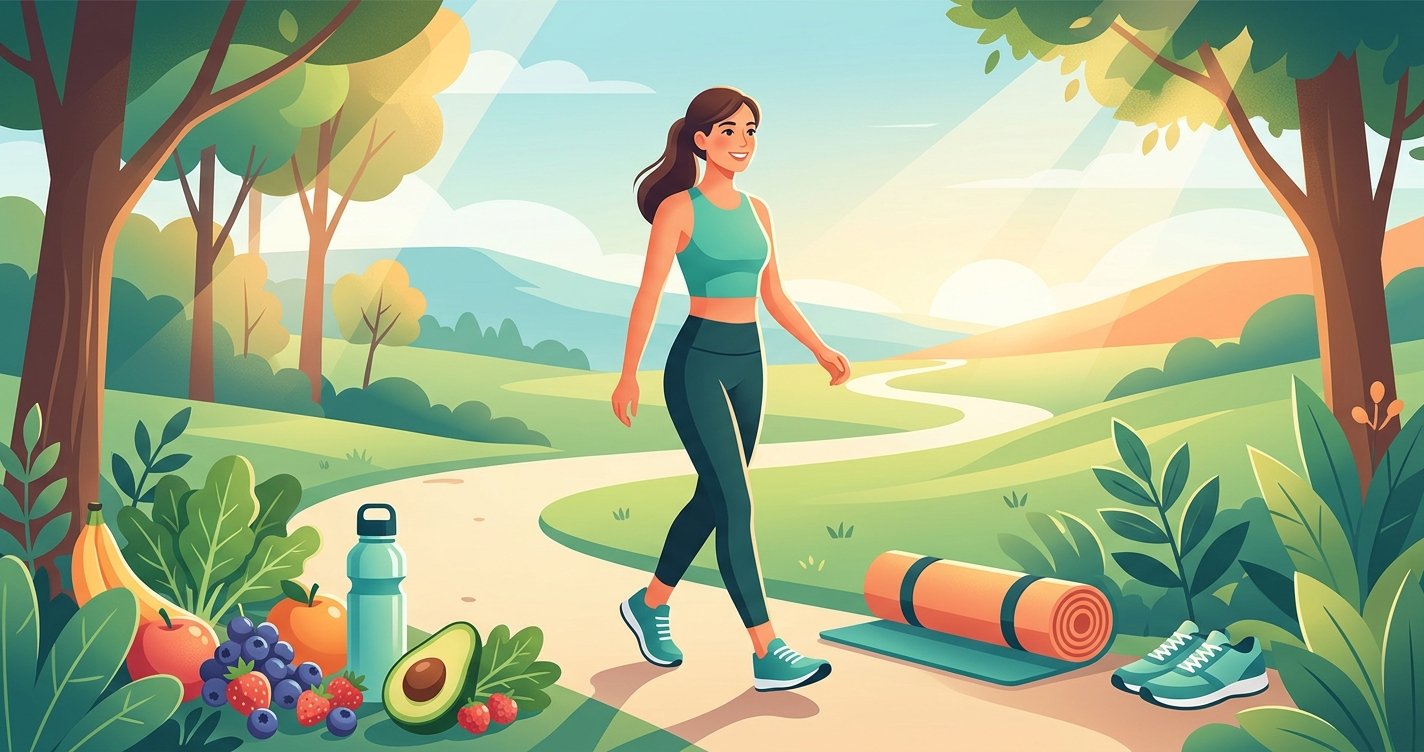
Sustainable Fat Loss: Unlock Lasting Results Beyond Quick Fixes
The allure of a 'quick fix' for fat loss is powerful. From detox teas to extreme diets promising instant transformations, the market is flooded with solutions that sound too good to be true. And, more often than not, they are. While these methods might offer rapid initial weight loss, they frequently lead to a frustrating cycle of deprivation, rebound weight gain, and ultimately, discouragement. If you’ve been on this roller coaster, you’re not alone. It’s time to step off and discover the path to sustainable fat loss – a journey focused on building healthy habits that last a lifetime, not just until your next weigh-in.
This isn't about rigid rules or endless calorie counting; it's about understanding your body, making informed choices, and fostering a positive relationship with food and exercise. Let's dive into the evidence-based strategies that will empower you to achieve your fat loss goals and maintain them for good. this excellent wellness product
Why Quick Fixes Fail: Understanding the "Rebound Effect"
Before we build, let’s understand why so many popular fat loss approaches crumble. Extreme calorie restriction or overly restrictive diets often backfire for several key reasons:
The Metabolism Myth
When you drastically cut calories, your body perceives it as a famine. In response, your metabolism slows down to conserve energy, making it harder to lose fat. Worse, once you return to normal eating patterns (which you inevitably will, because extreme diets are unsustainable), your slower metabolism can lead to rapid weight regain, often exceeding your starting weight. This is your body's survival mechanism at play, not a personal failing.
Psychological Burnout and Deprivation
Strict diets often ban entire food groups, creating feelings of deprivation and cravings. This can lead to an unhealthy preoccupation with food, social isolation, and eventually, binge eating. The mental toll of constant restriction is immense, leading to burnout and making it incredibly difficult to stick to any plan long-term.
The Foundation: Calorie Awareness, Not Obsession
At its core, fat loss boils down to one fundamental principle: consuming fewer calories than your body expends. This is known as a calorie deficit. However, the key to sustainability lies in creating a moderate, manageable deficit, not an extreme one.
The Energy Balance Equation
Think of your body as a car. Food is fuel. If you put in more fuel than you burn, the excess is stored (as fat). If you put in less, your body taps into its stored reserves. A deficit of 300-500 calories per day is often recommended for sustainable fat loss, typically leading to a healthy loss of 1-2 pounds per week. This level allows your body to adapt without triggering drastic metabolic slowdowns or intense hunger.
Practical Calorie Deficit Strategies (Not Extreme)
- Mindful Eating: Pay attention to hunger and fullness cues. Eat slowly, savor your food, and put down your fork between bites.
- Portion Control: You don't need to weigh every morsel, but becoming aware of appropriate portion sizes can make a huge difference. Use smaller plates, measure out high-calorie items like nuts or oils.
- Swap Smart: Choose water instead of sugary drinks. Opt for lean proteins and vegetables over calorie-dense processed snacks.
Fueling Your Body Right: The Power of Protein and Fiber
While a calorie deficit is crucial, the quality of your calories matters immensely for satiety, muscle preservation, and overall health.
Protein: Your Satiety Superstar
Protein is the most satiating macronutrient, meaning it keeps you feeling fuller for longer. This is invaluable when you're trying to eat less. Furthermore, adequate protein intake is essential for preserving lean muscle mass during fat loss, which helps keep your metabolism humming. Aim for a protein source at every meal: lean meats, poultry, fish, eggs, dairy, legumes, or tofu.
Fiber: The Gut-Friendly Filler
Found abundantly in fruits, vegetables, whole grains, and legumes, fiber adds bulk to your meals without adding many calories. It slows digestion, helps regulate blood sugar, and supports a healthy gut microbiome, all of which contribute to better appetite control and overall well-being. Focus on incorporating a variety of colorful vegetables and whole foods into your diet.
Move Your Body: Beyond Just "Burning Calories"
Exercise isn't just about burning off that extra cookie; it's a powerful tool for body composition, metabolism, and mental health.
The Magic of Strength Training
Building muscle is one of the best things you can do for sustainable fat loss. Muscle tissue is metabolically active, meaning it burns more calories at rest than fat tissue. Strength training helps you retain and even build muscle while in a calorie deficit, which is crucial for preventing metabolic slowdown. Aim for 2-3 full-body strength training sessions per week.
Cardio for Heart Health and Energy
While strength training builds muscle, cardiovascular exercise (like brisk walking, jogging, cycling, or swimming) improves heart health, boosts endurance, and contributes to your overall calorie expenditure. Find activities you enjoy and aim for at least 150 minutes of moderate-intensity cardio per week.
The Unsung Heroes: Sleep, Stress, and Hydration
Often overlooked, these lifestyle factors play a monumental role in your body's ability to lose fat and stay healthy.
Sleep: The Fat Loss Regulator
Lack of sleep disrupts hormones that regulate appetite (ghrelin and leptin), making you feel hungrier and crave unhealthy foods. It also increases cortisol, a stress hormone linked to belly fat storage. Prioritize 7-9 hours of quality sleep per night. It’s not a luxury; it’s a necessity for fat loss.
Stress: The Cortisol Culprit
Chronic stress triggers the release of cortisol, which can promote fat storage, especially around the abdomen. Find healthy ways to manage stress: meditation, yoga, spending time in nature, hobbies, or connecting with loved ones. Your mental peace is vital for your physical progress.
Hydration: Simple Yet Powerful
Drinking enough water is fundamental. It aids metabolism, helps you feel full, and can even prevent you from mistaking thirst for hunger. Aim for at least 8 glasses of water a day, more if you’re active or in a warm climate.
Cultivating a Sustainable Mindset: Patience and Self-Compassion
Perhaps the most critical ingredient for lasting fat loss is your mindset.
Ditching the "All or Nothing" Mentality
Perfection is the enemy of progress. One 'bad' meal or missed workout doesn't derail your entire journey. Learn to forgive yourself, adjust, and get back on track. Consistency, not perfection, is the goal.
Celebrating Small Victories
Fat loss is a marathon, not a sprint. Focus on non-scale victories: clothes fitting better, increased energy, improved strength, better sleep. Celebrate these small wins to maintain motivation and reinforce positive habits.
Your Journey to Lasting Fat Loss Starts Now
Sustainable fat loss isn't about quick fixes; it's about building a robust foundation of healthy habits. It’s a journey of self-discovery, patience, and consistency. By focusing on a moderate calorie deficit, prioritizing protein and fiber, incorporating both strength and cardio into your routine, and optimizing your sleep, stress, and hydration, you're not just losing weight – you're building a healthier, stronger, and more confident you for life.
Remember, be kind to yourself. Progress isn't linear, and setbacks are a natural part of any long-term goal. Embrace the process, celebrate every step forward, and trust that these sustainable habits will lead you to lasting results.