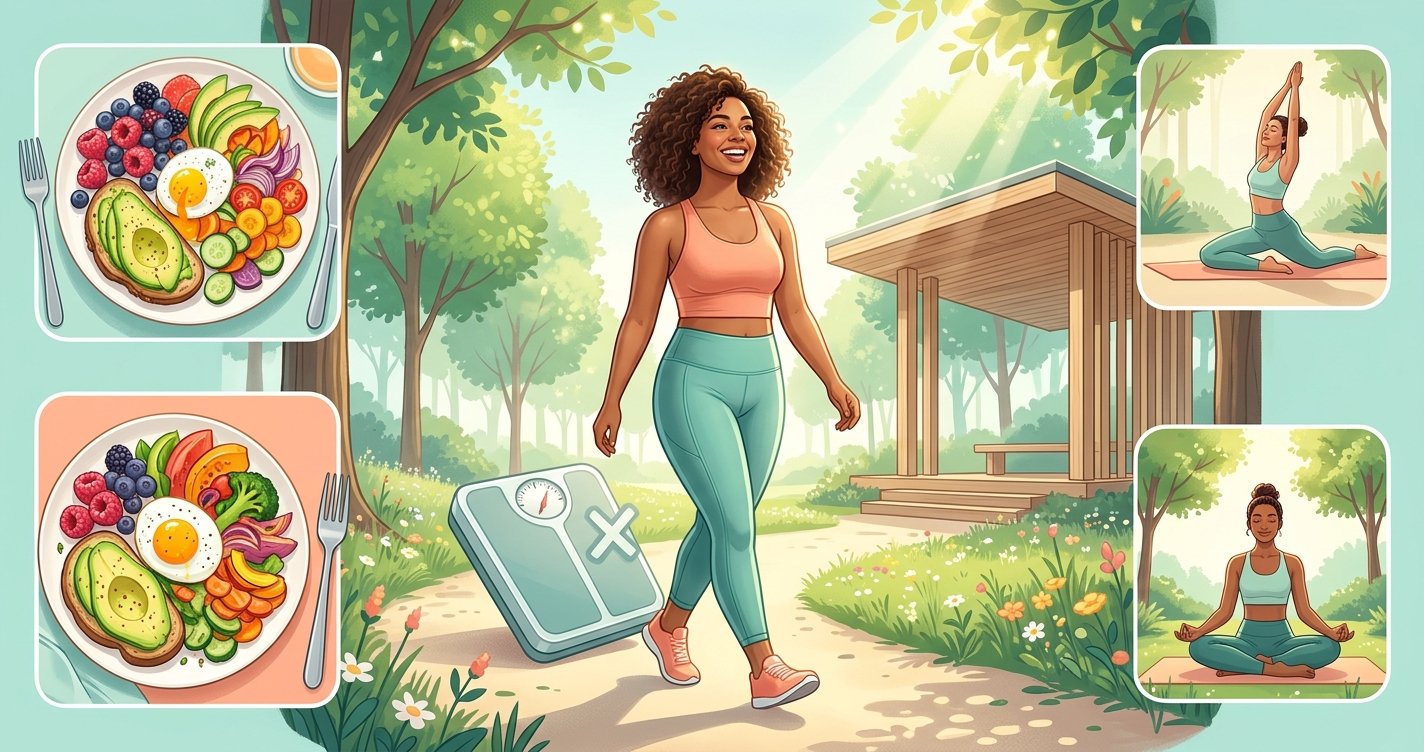
Tired of Diet Cycles? Discover Sustainable Fat Loss That Lasts!
Have you ever found yourself caught in the frustrating cycle of dieting – restricting, losing a few pounds, only to gain them back (and sometimes more)? You're not alone. Millions embark on strict diet plans each year, only to discover they're incredibly difficult to maintain long-term. The good news? Achieving sustainable fat loss doesn't have to mean endless deprivation or rigid rules. It’s about cultivating a healthier relationship with food, movement, and your body, focusing on habits that support your well-being for life.
This post isn't about quick fixes or a magic pill. It’s about empowering you with evidence-based strategies to achieve lasting fat loss by shifting your focus from temporary diets to sustainable, enjoyable lifestyle changes. Let’s break free from the diet mentality and build a foundation for a healthier, happier you! this excellent wellness product
Why Diets Often Fail (And What to Do Instead)
Traditional diets often operate on a principle of severe restriction, which can backfire in several ways:
- Metabolic Adaptation: Your body is smart. When calories drop too low, it can slow down your metabolism to conserve energy, making further fat loss harder.
- Psychological Rebound: Deprivation often leads to intense cravings and eventual binge eating, creating a vicious cycle of guilt and restriction.
- Nutrient Deficiencies: Restrictive diets can limit essential nutrients, impacting energy levels, mood, and overall health.
- Unsustainability: Most strict diets are simply not enjoyable or practical to follow for extended periods, leading to eventual abandonment.
Instead of restricting, we'll focus on adding nourishing foods, building strength, and fostering a positive mindset.
The Power of Protein and Fiber: Your Satiety Superheroes
When it comes to nutrition for sustainable fat loss, two nutrients stand out: protein and fiber. They are your allies in feeling full, satisfied, and energized.
- Protein: Eating enough protein helps preserve muscle mass during fat loss, which is crucial for a healthy metabolism. It’s also highly satiating, meaning it keeps you feeling fuller for longer, reducing the urge to snack unnecessarily. Aim for a good source of protein at every meal, such as lean meats, poultry, fish, eggs, dairy, legumes, or tofu.
- Fiber: Found in fruits, vegetables, whole grains, and legumes, fiber adds bulk to your meals without adding many calories. It slows down digestion, stabilizes blood sugar levels, and contributes to gut health. Like protein, fiber significantly boosts satiety, making it easier to manage your overall calorie intake naturally.
Actionable Tip: Try to fill half your plate with non-starchy vegetables and include a palm-sized portion of protein at each meal. Swap refined grains for whole grains.
Strength Training: Your Secret Weapon for Fat Loss
Many people associate fat loss purely with cardio, but strength training is an absolute game-changer, especially for sustainable results. Here's why:
- Boosts Metabolism: Muscle tissue is more metabolically active than fat tissue. The more muscle you have, the more calories your body burns at rest, even when you're just sitting on the couch!
- Shapes Your Body: While cardio helps burn calories, strength training helps sculpt your physique, giving you a toned and strong appearance as you lose fat.
- Improves Insulin Sensitivity: Regular strength training can improve your body's response to insulin, which is beneficial for fat loss and overall health.
- Enhances Bone Density and Joint Health: Beyond fat loss, strength training offers a multitude of health benefits that contribute to a higher quality of life.
You don't need to become a bodybuilder. Start with 2-3 full-body strength training sessions per week, focusing on compound movements like squats, deadlifts, presses, and rows. If you're new, consider working with a qualified trainer to learn proper form.
Mindful Eating: Reconnecting with Your Body's Signals
In our fast-paced world, eating has often become a mindless activity. Mindful eating is about paying attention to your food, your body's hunger and fullness cues, and the experience of eating. This non-diet approach fosters a healthier relationship with food.
How to Practice Mindful Eating:
- Slow Down: Put your fork down between bites. Chew your food thoroughly.
- Eliminate Distractions: Turn off the TV, put away your phone, and focus on your meal.
- Tune In to Hunger and Fullness: Before you eat, ask yourself: Am I truly hungry? During your meal, check in: Am I satisfied, or just full? Stop when you feel comfortably satisfied, not stuffed.
- Savor the Experience: Notice the colors, textures, aromas, and flavors of your food.
- Acknowledge Your Feelings: If you find yourself eating due to stress, boredom, or sadness, acknowledge these feelings without judgment. Can you find another way to address them?
Mindful eating helps you eat less without feeling deprived, naturally leading to a more appropriate calorie intake for fat loss.
Sleep and Stress Management: Unsung Heroes of Fat Loss
Often overlooked, adequate sleep and effective stress management play critical roles in your fat loss journey.
- Sleep: Lack of sleep disrupts hormones that regulate appetite (ghrelin and leptin), leading to increased hunger and cravings for unhealthy foods. It also impacts insulin sensitivity and can reduce your motivation for exercise. Aim for 7-9 hours of quality sleep per night.
- Stress: Chronic stress elevates cortisol levels, a hormone that can promote fat storage, particularly around the abdominal area. Stress also often leads to emotional eating.
Actionable Tips: Prioritize sleep by creating a consistent bedtime routine. For stress, explore techniques like meditation, deep breathing, yoga, spending time in nature, or engaging in hobbies you enjoy. Managing these factors isn't just about fat loss; it’s about your overall health and well-being.
Consistency Over Perfection: Building Habits That Last
The biggest secret to sustainable fat loss isn't perfection; it's consistency. You don't need to be perfect every day. What matters most are the habits you build over time.
- Small, Sustainable Changes: Instead of overhauling everything at once, pick one or two habits to focus on each month. Maybe it's adding a serving of vegetables to every meal, or getting two strength workouts in per week.
- Embrace Imperfection: There will be days when you don't hit your goals perfectly. That's okay! Don't let one slip-up derail your entire effort. Get back on track with your next meal or workout.
- Celebrate Non-Scale Victories: Focus on progress beyond the number on the scale. Are your clothes fitting better? Do you have more energy? Are you stronger? Is your mood improving? These are powerful indicators of success.
- Be Patient: Sustainable fat loss takes time. Trust the process, stay consistent, and be kind to yourself along the way.
Your Journey to Lasting Fat Loss Starts Now
Breaking free from the diet mentality and embracing a non-diet approach to sustainable fat loss is a journey of self-discovery and empowerment. By focusing on nourishing your body with protein and fiber, building strength, practicing mindful eating, prioritizing sleep, and managing stress, you’re not just losing fat – you’re building a healthier, happier, and more resilient you. Remember, every small, consistent step forward is a victory. You've got this!