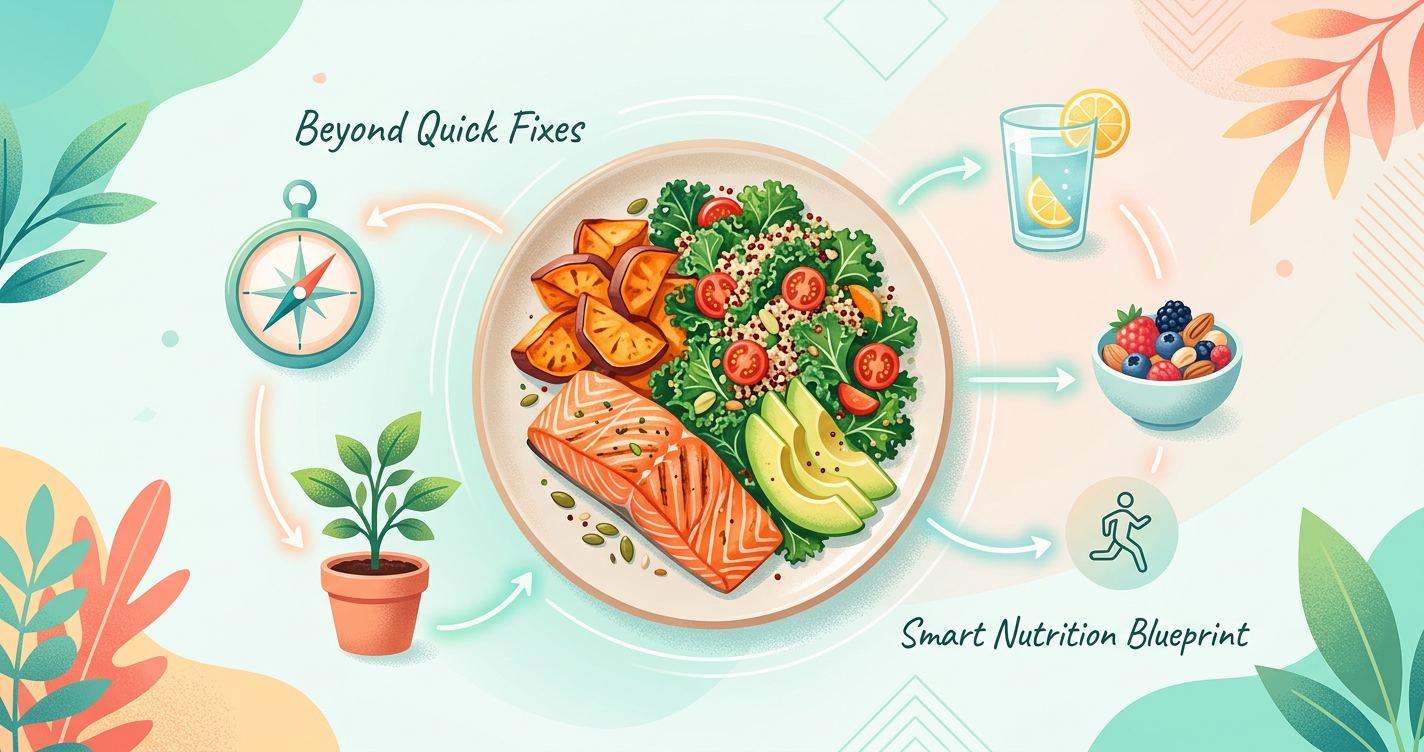
Are you tired of diet rollercoasters, restrictive eating plans, and quick fixes that promise the world but deliver only temporary results and frustration? You're not alone. The journey to sustainable fat loss isn't about deprivation; it's about empowerment through smart, evidence-based nutrition choices that nourish your body and support your long-term health goals. Forget the fads and fleeting trends; it's time to build a foundation that lasts. In this guide, we’ll explore practical, friendly, and science-backed strategies to help you achieve lasting fat loss without sacrificing your love for food or your sanity. Let's embark on a journey towards a healthier, happier you!
The Unshakeable Foundation: Mastering the Calorie Deficit
At its core, fat loss boils down to one fundamental principle: consuming fewer calories than your body expends. This is known as creating a 'calorie deficit.' While countless diets claim to bypass this rule, the scientific evidence is clear: for fat loss to occur, a calorie deficit is non-negotiable. But here’s the crucial part: it doesn’t have to be extreme or miserable. A moderate deficit, typically 300-500 calories below your daily maintenance level, allows for steady, sustainable fat loss (around 1-2 pounds per week) without slowing down your metabolism or leaving you constantly hungry. Understanding your Basal Metabolic Rate (BMR) and Total Daily Energy Expenditure (TDEE) is a great first step, and many online calculators can provide a good estimate. Remember, it’s not about starving yourself; it’s about smart energy management. this excellent wellness product
Macronutrients: Your Allies in the Fat Loss Battle
Once you understand the calorie deficit, the next step is optimizing your macronutrients – protein, carbohydrates, and fats. Each plays a vital role in your body's function, energy levels, and, crucially, your ability to lose fat sustainably.
Protein Power: The Satiety Superstar
If there’s one macronutrient to prioritize for fat loss, it’s protein. Research consistently shows that a higher protein intake supports fat loss in several ways. Firstly, protein is incredibly satiating, meaning it helps you feel fuller for longer, reducing the likelihood of overeating. Secondly, it has a higher thermic effect of food (TEF) than carbs or fats, meaning your body burns more calories simply digesting it. Lastly, and perhaps most importantly, adequate protein intake helps preserve lean muscle mass during a calorie deficit. Muscle is metabolically active, meaning it burns more calories at rest, which is critical for long-term metabolic health. Aim for 0.7-1 gram of protein per pound of body weight from sources like lean meats, poultry, fish, eggs, dairy, legumes, and plant-based protein powders.
Smart Carbs: Fueling Your Workouts and Brain
Carbohydrates often get a bad rap, but they are essential for energy, brain function, and optimal workout performance. The key is choosing the right carbs. Focus on complex carbohydrates like whole grains (oats, quinoa, brown rice), fruits, and vegetables. These are rich in fiber, which aids digestion, promotes satiety, and helps regulate blood sugar levels. Limit highly processed, refined carbs and sugary drinks, which offer little nutritional value and can lead to energy crashes and cravings. Timing your carb intake around your workouts can also be beneficial for performance and recovery.
Healthy Fats: Essential for Hormones and Absorption
Despite popular belief, fats do not make you fat – excess calories do. Healthy fats are crucial for hormone production, nutrient absorption (especially fat-soluble vitamins A, D, E, K), and overall cellular function. They also contribute to satiety. Incorporate sources of monounsaturated and polyunsaturated fats like avocados, nuts, seeds, olive oil, and fatty fish (salmon, mackerel). While essential, fats are calorie-dense, so portion control is important. Aim for around 20-30% of your daily calories from healthy fats.
The Unsung Heroes: Fiber, Hydration, and Micronutrients
While macros get most of the attention, these often-overlooked elements are critical for a thriving metabolism and successful fat loss journey.
Fiber: Your Digestive Ally
Fiber is a superstar for fat loss! Found in fruits, vegetables, whole grains, and legumes, soluble fiber creates a gel-like substance in your gut, slowing digestion and absorption, which enhances fullness and stabilizes blood sugar. Insoluble fiber adds bulk, promoting regular bowel movements and gut health. Both types contribute significantly to satiety, helping you eat less without feeling deprived. Make it a point to include a variety of fiber-rich foods in every meal.
Hydration: The Metabolic Mover
Don't underestimate the power of water! Staying adequately hydrated is vital for virtually every bodily function, including metabolism. Sometimes, thirst can be mistaken for hunger, leading to unnecessary snacking. Drinking enough water can help you feel fuller, aid in nutrient transport, and support detoxification. Aim for at least 8 glasses (around 2 liters) of water daily, and more if you're active or in a warm climate.
Micronutrients: Powering Your Internal Engine
Vitamins and minerals (micronutrients) might not directly contribute calories, but they are the tiny engines that power your body's metabolic processes. Deficiencies in certain micronutrients can impair energy production, immune function, and overall well-being, potentially hindering your fat loss efforts. A varied diet rich in whole, unprocessed foods – a rainbow of fruits and vegetables – will naturally provide the micronutrients your body needs to function optimally.
Mindful Eating: Reconnecting with Your Body's Cues
Beyond what you eat, how you eat plays a monumental role in sustainable fat loss. Mindful eating is about paying attention to your food, your body's hunger and fullness cues, and the experience of eating itself. In our fast-paced world, it's easy to eat while distracted, leading to overconsumption and a disconnect from our satiety signals.
- Slow Down: Put your fork down between bites. Chew thoroughly.
- Savor the Experience: Notice the colors, textures, aromas, and flavors of your food.
- Listen to Your Body: Eat when you're truly hungry, and stop when you're comfortably full, not stuffed.
- Eliminate Distractions: Turn off the TV, put away your phone. Focus on your meal.
Mindful eating can transform your relationship with food, helping you enjoy meals more and naturally consume fewer calories without feeling deprived.
Practical Strategies for Long-Term Success
Knowledge is power, but application is key. Here are actionable steps to integrate these principles into your daily life:
- Meal Planning & Prep: Dedicate time each week to plan your meals and snacks. Prepare some components in advance (e.g., cook a batch of chicken, chop veggies). This reduces decision fatigue and ensures healthy options are always within reach.
- Portion Control: Learn what proper portion sizes look like. Use measuring cups and a food scale initially to calibrate your perception. Over time, you'll be able to eyeball portions more accurately.
- Consistency Over Perfection: The 80/20 rule is a great guideline. Aim for healthy eating 80% of the time, allowing for flexibility and occasional treats. This prevents burnout and makes the journey enjoyable.
- Smart Snacking: If you need snacks, choose nutrient-dense options like Greek yogurt, a piece of fruit with nuts, or vegetable sticks with hummus.
- Navigating Social Situations: Don't let social events derail your progress. Eat a small, healthy snack before going out, choose lighter options, and be mindful of alcohol intake.
Embrace the Journey: Patience, Persistence, and Self-Compassion
Sustainable fat loss is a marathon, not a sprint. There will be good days and challenging days, plateaus, and moments of frustration. This is all part of the process. Instead of viewing setbacks as failures, see them as learning opportunities. Focus on non-scale victories – improved energy, better sleep, stronger workouts, clothes fitting better, and a more positive mindset. Celebrate every step of progress, no matter how small. Be patient with yourself, stay persistent in your efforts, and practice self-compassion. Remember, this isn't just about changing your body; it's about transforming your lifestyle and building healthier habits that will serve you for a lifetime.
By focusing on a moderate calorie deficit, prioritizing protein, choosing smart carbs and healthy fats, staying hydrated, embracing fiber and micronutrients, and practicing mindful eating, you're not just losing weight – you're building a foundation for vibrant health and sustainable well-being. You have the power to create lasting change, one smart food choice at a time. Keep going; you’ve got this!