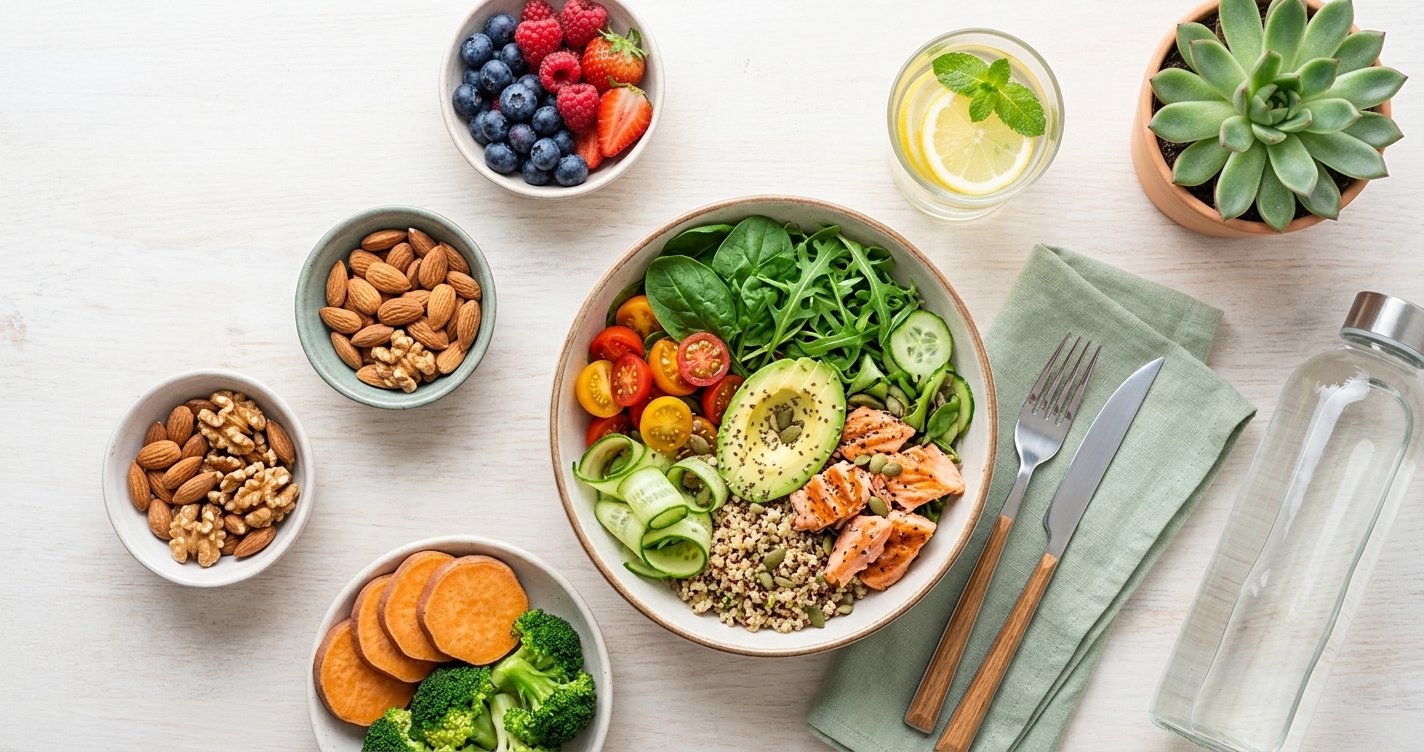
Embarking on a fat loss journey can feel like navigating a complex maze. With countless diets, trends, and conflicting advice, it’s easy to get lost and discouraged. But what if we told you that sustainable, lasting fat loss isn't about extreme deprivation or magic pills, but rather about mastering the fundamentals of nutrition? It's about building habits that serve your body, fuel your energy, and keep you feeling satisfied without sacrificing your favorite foods entirely. This guide will cut through the noise, offering evidence-based strategies to help you craft a nutrition plan that's not only effective for shedding fat but also genuinely enjoyable and easy to maintain for life. Let's ditch the quick fixes and embrace a smarter, friendlier approach to nourishing your body and achieving the results you deserve!
The Golden Rule: Understanding Your Calorie Deficit
At the heart of all fat loss lies one non-negotiable principle: the calorie deficit. Simply put, you must consume fewer calories than your body burns over time. Think of it like this: your body needs a certain amount of energy (calories) to function each day. If you provide less than it needs, it will tap into its stored energy reserves – your body fat – to make up the difference. This is the fundamental mechanism for losing fat. this excellent wellness product
While it sounds straightforward, finding your ideal calorie deficit is key. You don't want to go too low, as this can lead to nutrient deficiencies, energy crashes, muscle loss, and make adherence incredibly difficult. A moderate deficit of 300-500 calories below your Total Daily Energy Expenditure (TDEE) is often recommended for sustainable fat loss. You can estimate your TDEE using online calculators, but remember these are just starting points. Listen to your body, track your progress, and adjust as needed.
The beauty of a moderate deficit is that it allows for flexibility. It means you can still enjoy a variety of foods, feel energized, and avoid the intense hunger that often derails more extreme diets. Consistency over time, not drastic cuts, is what truly yields lasting results.
Protein Power: Your Ally Against Hunger and Muscle Loss
Why Protein is King for Fat Loss
If there's one macronutrient that deserves special attention on your fat loss journey, it's protein. Protein plays several crucial roles that make it an indispensable tool for shedding fat and maintaining a healthy body:
- Satiety Superstar: Protein is incredibly filling. Including adequate protein in your meals helps you feel fuller for longer, reducing overall calorie intake and curbing cravings.
- Metabolic Booster: Your body burns more calories digesting protein than it does fats or carbohydrates. This is known as the thermic effect of food (TEF), and protein has the highest TEF of all macronutrients.
- Muscle Protector: When you're in a calorie deficit, there's a risk of losing muscle mass along with fat. Protein is essential for repairing and building muscle tissue. Maintaining muscle mass is vital because muscle is metabolically active, meaning it burns more calories at rest than fat does.
Recommended Intake and Best Sources
Aim for roughly 0.7 to 1 gram of protein per pound of your target body weight (or current lean body mass) per day. Spreading your protein intake throughout the day, rather than just having a large amount at dinner, can optimize its benefits.
Excellent protein sources include:
- Lean meats (chicken breast, turkey, lean beef)
- Fish and seafood (salmon, tuna, cod)
- Eggs
- Dairy (Greek yogurt, cottage cheese, milk)
- Legumes (lentils, beans, chickpeas)
- Tofu and tempeh
- Protein powders (whey, casein, plant-based)
Carbohydrates and Fats: Friends, Not Foes (In Moderation!)
Often demonized in popular diets, carbohydrates and fats are essential macronutrients that play vital roles in your health and energy levels. The key isn't to eliminate them, but to choose them wisely and consume them in appropriate portions.
Smart Carb Choices for Sustained Energy
Carbohydrates are your body's primary source of energy. Opt for complex carbohydrates, which are rich in fiber and digest slowly, providing sustained energy and preventing blood sugar spikes and crashes. These include:
- Whole grains (oats, brown rice, quinoa, whole wheat bread)
- Fruits (berries, apples, bananas)
- Vegetables (broccoli, spinach, sweet potatoes)
Limit refined carbohydrates like white bread, sugary cereals, pastries, and sodas, as these offer little nutritional value and can contribute to energy slumps and increased hunger.
Healthy Fats: Essential for Health and Satiety
Fats are crucial for hormone production, nutrient absorption, and providing a sense of satiety. While calorie-dense, healthy fats are your friends in moderation.
Incorporate sources like:
- Avocado
- Nuts and seeds (almonds, chia seeds, flaxseeds)
- Olive oil and other healthy cooking oils
- Fatty fish (salmon, mackerel)
Remember, even healthy fats are high in calories, so portion control is paramount. A small handful of nuts or a drizzle of olive oil is often enough.
Hydration and Fiber: The Unsung Heroes of Your Diet
The Power of Water
Water is often overlooked in fat loss strategies, but it's absolutely vital. Staying well-hydrated supports metabolism, helps transport nutrients, and can even aid in satiety. Sometimes, what we perceive as hunger is actually thirst. Aim for at least 8 glasses of water a day, and more if you're active or in a warm climate. Drinking a glass of water before meals can also help you feel fuller and potentially reduce your food intake.
Fiber: Fueling Fullness and Gut Health
Fiber is another powerhouse nutrient for fat loss. Found abundantly in fruits, vegetables, whole grains, and legumes, fiber adds bulk to your diet without adding many calories. It slows down digestion, promoting a feeling of fullness and helping regulate blood sugar levels. Furthermore, fiber is crucial for a healthy gut microbiome, which is increasingly linked to weight management and overall health.
Make sure your plate is loaded with colorful vegetables at every meal, choose whole fruits over juice, and swap refined grains for their whole-grain counterparts to boost your fiber intake naturally.
Beyond the Plate: Mindful Eating and Meal Prep Strategies
Cultivating Mindful Eating Habits
What you eat is important, but how you eat also plays a significant role in fat loss. Mindful eating involves paying attention to your food, your body's hunger and fullness cues, and the experience of eating. This can help prevent overeating and foster a healthier relationship with food.
- Slow Down: Take your time with meals. Put your fork down between bites.
- Eliminate Distractions: Turn off the TV, put away your phone. Focus on your food.
- Listen to Your Body: Eat when you're hungry, stop when you're satisfied, not stuffed.
- Savor Each Bite: Notice the flavors, textures, and smells of your food.
The Art of Meal Prepping for Success
One of the biggest hurdles to consistent healthy eating is convenience. When you're tired or busy, reaching for unhealthy options becomes much easier. This is where meal prepping shines.
Dedicate a few hours each week (e.g., Sunday afternoon) to plan and prepare your meals and snacks for the upcoming days. This could involve:
- Batch cooking protein sources like chicken or ground turkey.
- Chopping vegetables for salads or stir-fries.
- Portioning out snacks like nuts or fruit.
- Preparing overnight oats or chia puddings for breakfast.
Meal prepping removes decision fatigue, ensures you have healthy options readily available, and saves you time and money in the long run.
Navigating Setbacks and Staying Consistent
Your fat loss journey won't always be a straight line. There will be days you overeat, weeks where the scale doesn't budge, and moments of frustration. This is completely normal! The key to sustainable success isn't about being perfect; it's about being consistent and resilient.
If you have an off day, don't let it derail your entire week. Acknowledge it, learn from it, and get right back on track with your next meal. Understand that plateaus are a natural part of the process; your body adapts. When this happens, reassess your calorie intake, increase your activity, or try new healthy recipes to reignite your progress.
Focus on the positive changes you're making – increased energy, better sleep, improved mood, stronger body – not just the number on the scale. Celebrate small victories and remember that every healthy choice is a step towards your goal.
Your Sustainable Fat Loss Journey Starts Now
Achieving sustainable fat loss isn't a race; it's a marathon of consistent, mindful choices. By understanding the power of a calorie deficit, prioritizing protein, making smart carbohydrate and fat choices, staying hydrated, embracing fiber, and practicing mindful eating with strategic meal prep, you're not just losing weight – you're building a healthier, happier lifestyle. This isn't about temporary deprivation; it's about empowering yourself with knowledge and habits that will serve you for years to come. Be patient, be kind to yourself, and trust the process. You've got this!