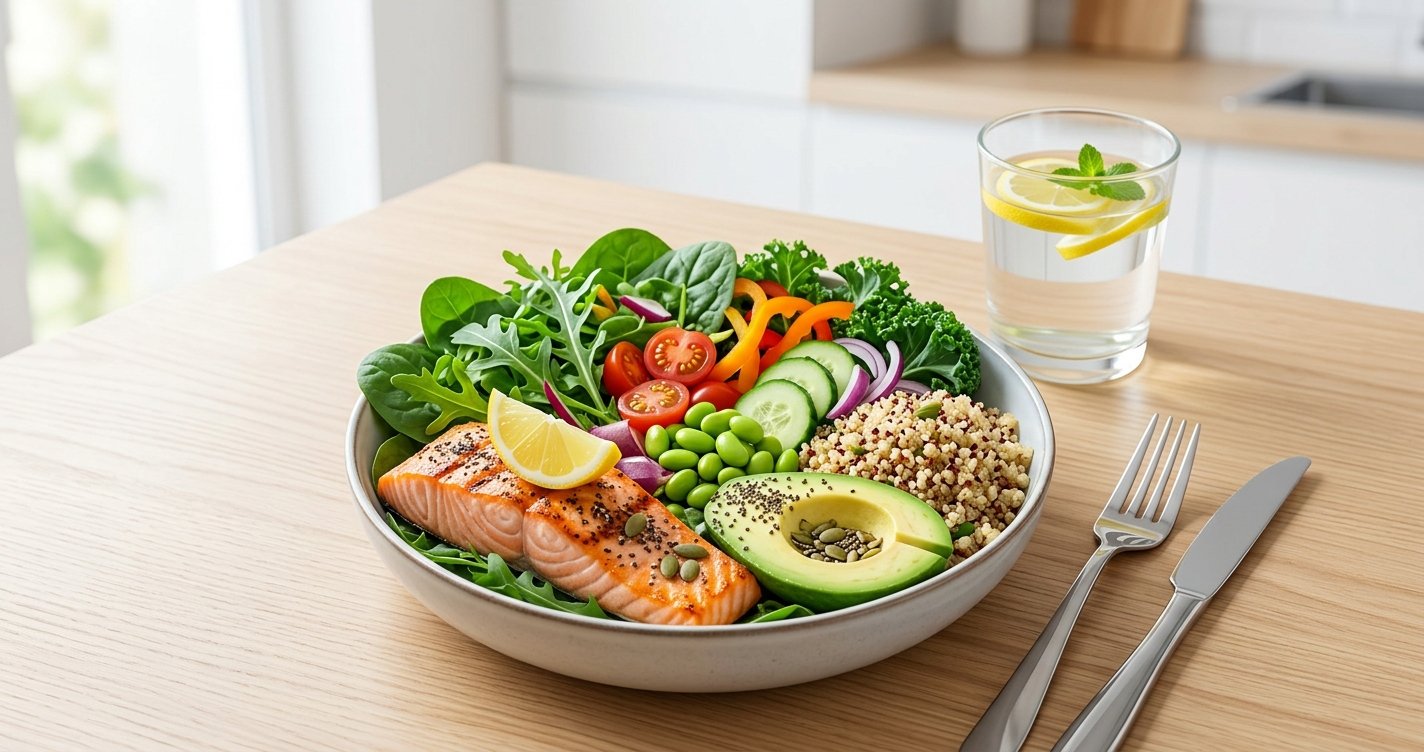
Feeling stuck on the fat loss rollercoaster? You're not alone. Many of us jump from one restrictive diet to another, only to find ourselves back where we started, often feeling frustrated and defeated. The truth is, sustainable fat loss isn't about deprivation or quick fixes; it's about building healthy, lasting nutritional habits that nourish your body and support your goals. In this guide, we'll dive into evidence-based strategies to help you transform your relationship with food, achieve your fat loss goals, and maintain them for good. Get ready to ditch the diet mentality and embrace a smarter, more enjoyable way to eat!
Beyond "Dieting": Embracing a Sustainable Lifestyle
The word "diet" often conjures images of bland food, hunger, and strict rules. This mindset is precisely why so many people struggle to maintain fat loss long-term. Instead of a temporary diet, let's talk about adopting a sustainable eating lifestyle. This means focusing on overall nutritional quality, understanding your body's needs, and making choices you can stick with every day, not just for a few weeks. this excellent wellness product
Research consistently shows that highly restrictive diets are often unsustainable and can lead to rebound weight gain. Our goal here isn't to lose weight fast, but to lose fat effectively and keep it off by fostering habits that become second nature. Think of it as a journey of gradual, positive changes rather than a sprint to an arbitrary finish line.
The Power of Protein: Your Satiety Superstar
If there's one macronutrient that deserves a spotlight in your fat loss journey, it's protein. Protein plays a crucial role in maintaining and building muscle mass, which is vital because muscle burns more calories at rest than fat. But its benefits don't stop there!
- Increased Satiety: Studies show that protein is the most satiating macronutrient, meaning it helps you feel fuller for longer. This can significantly reduce overall calorie intake by curbing mindless snacking and overeating.
- Thermogenic Effect: Your body uses more energy to digest and metabolize protein compared to carbs or fats. This is known as the thermic effect of food (TEF), and protein has the highest TEF.
- Muscle Preservation: When you're in a calorie deficit for fat loss, there's a risk of losing muscle along with fat. Adequate protein intake helps to preserve your precious muscle mass, ensuring that the weight you lose is primarily fat.
Aim to include a lean protein source at every meal. Excellent options include chicken breast, turkey, lean beef, fish (salmon, cod, tuna), eggs, Greek yogurt, cottage cheese, lentils, beans, and tofu.
Smart Carbs & Healthy Fats: Fueling Your Body Right
Carbohydrates and fats have often been demonized in various diet trends, but they are essential for optimal health and energy. The key lies in choosing the right types and consuming them in appropriate portions.
Choosing Smart Carbohydrates
Carbs are your body's primary energy source. For fat loss, focus on complex carbohydrates rich in fiber. These include:
- Whole grains (oats, brown rice, quinoa, whole-wheat bread)
- Fruits (berries, apples, bananas)
- Vegetables (broccoli, spinach, sweet potatoes, bell peppers)
These choices provide sustained energy, prevent sharp blood sugar spikes and crashes, and contribute to satiety thanks to their fiber content. Limit highly processed and refined carbs like sugary drinks, white bread, and pastries, which offer little nutritional value and can hinder your fat loss efforts.
Embracing Healthy Fats
Fats are vital for hormone production, nutrient absorption, and overall cell function. Don't fear healthy fats; just consume them in moderation as they are calorie-dense. Good sources include:
- Avocado
- Nuts and seeds (almonds, walnuts, chia seeds, flaxseeds)
- Olive oil
- Fatty fish (salmon, mackerel)
Incorporating healthy fats can improve satiety and provide essential nutrients, but be mindful of portion sizes.
Portion Control & Mindful Eating: The Art of Awareness
Even the healthiest foods can lead to fat gain if consumed in excess. Understanding and practicing portion control is a cornerstone of sustainable fat loss. It doesn't mean meticulously counting every calorie forever, but rather becoming aware of how much you're truly eating.
- Visual Cues: Use smaller plates. A serving of protein is roughly the size of your palm. A serving of carbs like rice or pasta is about a cupped hand. Vegetables can be eaten in larger quantities.
- Listen to Your Body: Pay attention to your hunger and fullness cues. Eat slowly, savor each bite, and stop when you feel satisfied, not stuffed. Mindful eating helps you appreciate your food and recognize when your body has had enough.
- Track (Initially): For a week or two, consider tracking your food intake using an app. This can be incredibly insightful for understanding your typical portion sizes and identifying areas where you might be overeating unknowingly.
Mindful eating also involves reducing distractions during meals. Put away your phone, turn off the TV, and focus on the experience of eating. This simple practice can significantly impact your calorie intake and enjoyment of food.
Hydration & Fiber: The Unsung Heroes of Fat Loss
Often overlooked, water and fiber play critical roles in a successful fat loss journey.
The Power of Water
Staying well-hydrated is essential for numerous bodily functions, including metabolism. Sometimes, your body can confuse thirst with hunger, leading you to eat when all you really need is a glass of water. Aim for at least 8 glasses of water a day, and consider drinking a glass before each meal to help with satiety.
Fiber: Your Digestive Ally
Fiber is a type of carbohydrate that your body can't digest. It's found in fruits, vegetables, whole grains, and legumes, and it's a game-changer for fat loss:
- Satiety: Fiber adds bulk to your meals, helping you feel full and satisfied without adding many calories.
- Blood Sugar Control: Soluble fiber helps slow down the absorption of sugar, preventing spikes that can lead to cravings and fat storage.
- Digestive Health: A healthy gut is increasingly linked to overall health and metabolism. Fiber supports a thriving gut microbiome.
Gradually increase your fiber intake to avoid digestive discomfort. Excellent sources include berries, leafy greens, oats, beans, lentils, and chia seeds.
Navigating Cravings & Indulgences: The 80/20 Rule
No one expects you to eat perfectly 100% of the time, nor should you strive for it. An overly restrictive approach often backfires, leading to intense cravings and eventual binge eating. This is where the 80/20 rule comes in: aim to eat nutritiously and mindfully 80% of the time, allowing for more flexible choices and indulgences for the remaining 20%.
This approach promotes a healthier psychological relationship with food, reducing feelings of deprivation and making your eating plan sustainable. When an indulgence happens, enjoy it without guilt, and then simply return to your regular healthy eating habits. This isn't a failure; it's part of a balanced life.
For managing cravings, try these strategies:
- Hydrate: Sometimes, thirst mimics hunger.
- Distract: Engage in an activity you enjoy.
- Delay: Tell yourself you'll wait 15-20 minutes. Often, the craving passes.
- Substitute: Have a healthier, satisfying alternative (e.g., fruit instead of candy).
Practical Tips for Success: Making it Happen
Knowledge is power, but application is key! Here are some practical tips to integrate these nutritional strategies into your daily life:
- Meal Prep: Dedicate a few hours each week to prepare healthy meals and snacks in advance. This ensures you always have nutritious options readily available, reducing the likelihood of impulse unhealthy choices.
- Read Food Labels: Become an informed consumer. Understand serving sizes, calorie counts, and the nutritional breakdown (protein, fat, carbs, fiber, sugar) of the foods you buy.
- Cook at Home More Often: When you prepare your own meals, you have full control over ingredients and portion sizes, making it easier to stick to your fat loss goals.
- Plan Your Meals: Don't leave your meals to chance. Plan out what you'll eat for the day or week, including snacks. This reduces decision fatigue and helps you make healthier choices.
- Seek Professional Guidance: If you're struggling or have specific health concerns, consider consulting a registered dietitian or a certified nutrition coach. They can provide personalized advice and support tailored to your unique needs.
Your Journey to Sustainable Fat Loss Starts Now!
Achieving sustainable fat loss through smarter nutrition is a marathon, not a sprint. It requires patience, consistency, and a willingness to learn and adapt. By focusing on whole, unprocessed foods, prioritizing protein and fiber, practicing mindful eating, and allowing for flexibility, you're not just losing fat; you're building a healthier, happier you.
Remember, every healthy choice you make is a step in the right direction. Be kind to yourself, celebrate your progress, and trust the process. You have the power to transform your relationship with food and unlock a lifetime of vibrant health and sustainable fat loss!