Tired of the Fat Loss Rollercoaster? Let's Find Your Sustainable Path!
Have you ever felt caught in a seemingly endless cycle of restrictive diets, intense workouts, and fleeting results? The world of fat loss is often overflowing with quick fixes, detoxes, and extreme plans that promise the moon but deliver only frustration. If you’re nodding your head, you’re not alone. Many people struggle to find a path to fat loss that is not only effective but also sustainable, enjoyable, and doesn’t require you to turn your entire life upside down.
The good news? Sustainable fat loss isn't about deprivation or punishment. It's about empowering yourself with knowledge, understanding your body, and making consistent, evidence-based choices that nourish you from the inside out. In this guide, we’ll cut through the noise and explore the foundational nutrition principles that truly lead to lasting fat loss, all while maintaining a friendly, encouraging, and science-backed approach. Ready to ditch the diet mentality and embrace a healthier, happier you? Let’s dive in! this excellent wellness product
Understanding the Calorie Deficit: Your Foundation for Fat Loss
Let’s start with the absolute bedrock of fat loss: the calorie deficit. Simply put, to lose fat, you need to consume fewer calories than your body burns. Think of it like a bank account: if you spend more money than you earn, your savings go down. In the same way, if your body uses more energy (calories) than you provide it through food, it will tap into its stored energy — primarily fat — to make up the difference.
There’s no magic pill or secret food that bypasses this fundamental principle. However, creating a deficit doesn't mean starving yourself. A sustainable calorie deficit is usually modest, often 300-500 calories below your maintenance level. This allows for steady fat loss (typically 1-2 pounds per week) without sacrificing energy, nutrient intake, or muscle mass. Trying to create too large a deficit can lead to fatigue, nutrient deficiencies, muscle loss, and eventually, rebound weight gain.
So, how do you figure out your deficit? Start by estimating your Total Daily Energy Expenditure (TDEE) using an online calculator (there are many free ones available). Then, aim to subtract a moderate amount from that number. You don't need to track every single calorie forever, but understanding your typical intake for a few weeks can be incredibly insightful.
The Power of Protein: Why It's Your Fat Loss Friend
If there’s one macronutrient that deserves special attention for fat loss, it’s protein. Protein is an absolute superstar for several compelling reasons:
- Satiety: Protein is incredibly filling. Including adequate protein in your meals helps you feel fuller for longer, reducing cravings and preventing overeating.
- Muscle Preservation: When you’re in a calorie deficit, your body can sometimes break down muscle tissue for energy. A high protein intake, especially when combined with resistance training, helps to preserve precious muscle mass, which is crucial for maintaining a healthy metabolism.
- Thermic Effect of Food (TEF): Protein has a higher TEF than carbohydrates or fats. This means your body expends more energy (calories) to digest and metabolize protein. While not a massive game-changer on its own, every little bit helps!
Aim to include a good source of lean protein with every meal. Excellent sources include chicken breast, turkey, lean beef, fish, eggs, Greek yogurt, cottage cheese, lentils, beans, tofu, and tempeh. A general guideline for fat loss is to aim for 0.7-1 gram of protein per pound of body weight, but even increasing your current intake will likely yield benefits.
Embrace Whole Foods: Fueling Your Body, Not Just Filling It
While a calorie deficit is key, the quality of those calories matters immensely. Choosing whole, unprocessed foods over highly processed alternatives is a game-changer for fat loss and overall health.
Whole foods — like fruits, vegetables, whole grains, lean proteins, nuts, and seeds — are nutrient-dense. This means they pack a powerful punch of vitamins, minerals, antioxidants, and fiber for relatively few calories. Processed foods, on the other hand, are often calorie-dense but nutrient-poor, loaded with added sugars, unhealthy fats, and sodium, which can sabotage your fat loss efforts and leave you feeling unsatisfied.
Fiber, abundant in whole plant foods, is particularly beneficial. It adds bulk to your meals, slowing digestion, promoting satiety, and supporting a healthy gut microbiome. Think about it: a large bowl of roasted vegetables and lean protein will fill you up far more effectively than a small bag of chips, even if they have similar calorie counts.
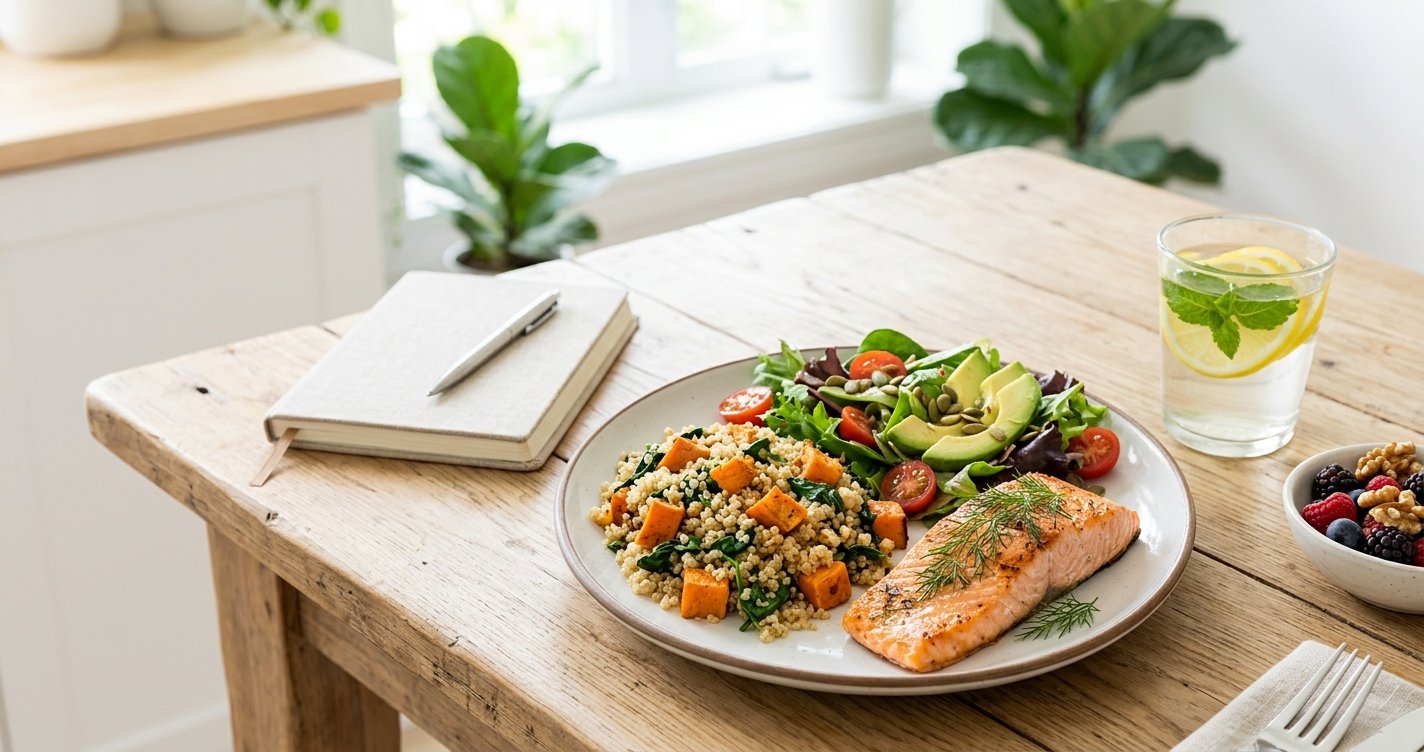
Make it a goal to build your meals around whole foods. Fill half your plate with non-starchy vegetables, add a palm-sized portion of lean protein, and include a modest serving of whole grains or starchy vegetables like sweet potatoes or quinoa.
The Art of Mindful Eating: Beyond Just What's on Your Plate
Fat loss isn't just about what you eat; it's also about how you eat. Mindful eating is a powerful practice that can transform your relationship with food and significantly support your fat loss journey. It involves paying full attention to your food — its tastes, textures, smells, and the physical signals your body sends — without judgment.
In our fast-paced world, it's easy to eat on the go, in front of a screen, or while distracted. This often leads to overeating because we miss our body's cues of fullness. Mindful eating helps you:
- Recognize True Hunger and Fullness: Distinguish between physical hunger and emotional cravings. Learn to stop eating when you are comfortably full, not stuffed.
- Enhance Enjoyment: Savor your food more, making meals a pleasurable experience rather than just a task.
- Reduce Emotional Eating: Become more aware of triggers that lead to eating when you're not physically hungry.
To practice mindful eating, try these simple steps: eat slowly, put your fork down between bites, chew thoroughly, pay attention to the flavors, and minimize distractions (turn off the TV, put away your phone). It takes practice, but the rewards are immense for both your body and your mind.
Hydration and Sleep: The Often-Overlooked Fat Loss Boosters
While often overshadowed by diet and exercise, adequate hydration and quality sleep are non-negotiable for successful, sustainable fat loss. They play crucial roles in regulating your metabolism, appetite, and energy levels.
Hydration: Your Body's Internal Lubricant
Water is essential for nearly every bodily function, including metabolism. Sometimes, our bodies can confuse thirst with hunger, leading us to eat when all we really need is a glass of water. Staying well-hydrated can also help you feel fuller, especially if you drink water before meals. Aim for at least 8 glasses (around 2 liters) of water per day, and even more if you're active or in a hot climate.
Sleep: The Ultimate Recovery Tool
Skimping on sleep can wreak havoc on your fat loss efforts. Lack of sleep disrupts key hormones that regulate appetite: it increases ghrelin (the hunger hormone) and decreases leptin (the satiety hormone). This means you'll likely feel hungrier and less satisfied, making it incredibly hard to stick to a calorie deficit. Poor sleep also elevates cortisol, a stress hormone that can promote fat storage, particularly around the midsection.
Prioritize 7-9 hours of quality sleep each night. Create a relaxing bedtime routine, ensure your bedroom is dark and cool, and limit screen time before bed. Think of sleep as a vital component of your fat loss strategy, not an optional extra.
Consistency Over Perfection: The Marathon, Not the Sprint
The most important ingredient for sustainable fat loss is consistency. It’s easy to get discouraged when progress isn’t linear, or when you have a day (or a weekend!) where your eating isn’t “perfect.” But remember, fat loss is a journey, not a destination, and it certainly isn’t about perfection.
Small, consistent efforts compound over time to create significant results. One “off” meal or day will not derail your entire progress. What matters is how quickly you get back on track. Embrace the 80/20 rule: aim to make healthy, mindful choices 80% of the time, allowing for flexibility and enjoyment for the other 20%. This approach is far more sustainable and less likely to lead to feelings of deprivation and eventual bingeing.
Be patient with yourself. Your body needs time to adapt, and sustainable changes are gradual. Celebrate small victories, learn from setbacks without self-judgment, and focus on building habits that you can maintain for life, not just for a few weeks.
Practical Tips to Get Started Today
Ready to put these principles into action? Here are some actionable tips:
- Plan Your Meals: A little meal planning goes a long way. Decide what you'll eat for the week, make a grocery list, and even prep some meals or components in advance.
- Smart Snacking: If you need snacks, choose protein-rich and fiber-rich options like Greek yogurt, a piece of fruit with a handful of almonds, or vegetable sticks with hummus.
- Read Labels: Become an educated consumer. Check nutrition labels for added sugars, unhealthy fats, and sodium content, especially in packaged foods.
- Stay Hydrated Strategically: Keep a water bottle with you, and try drinking a glass of water before each meal.
- Prioritize Sleep: Set a consistent bedtime and wake-up time, even on weekends.
- Seek Support: Share your goals with a supportive friend or family member, or consider working with a registered dietitian for personalized guidance.
Your Sustainable Fat Loss Journey Starts Now!
You now have a powerful toolkit of evidence-based nutrition principles to guide your sustainable fat loss journey. Remember, it's not about quick fixes or harsh restrictions, but about consistent, mindful choices that nourish your body and support your long-term health goals.
Embrace the calorie deficit as your foundation, harness the power of protein and whole foods, practice mindful eating, prioritize hydration and sleep, and most importantly, be consistent and compassionate with yourself. You have the knowledge and the capability to achieve lasting fat loss and build a healthier, more vibrant life. Take it one step at a time, trust the process, and celebrate every bit of progress. You've got this!