Tired of the Yo-Yo? Unlock Lasting Fat Loss with Smart Nutrition!
Have you ever felt caught in a cycle of dieting, only to regain the lost weight and sometimes even more? You’re not alone. The world of fat loss is often filled with quick fixes, restrictive rules, and overwhelming information. But what if we told you there’s a more sustainable, enjoyable, and evidence-based path to achieving your fat loss goals – and keeping the weight off for good?
This isn't about deprivation; it's about empowerment. It's about understanding how your body works and fueling it intelligently. In this friendly guide, we'll explore practical, sustainable nutrition strategies that don't just help you lose fat, but also improve your overall health, energy, and relationship with food. Let's ditch the diet mentality and build a roadmap to lasting success! this excellent wellness product
Beyond Crash Diets: Why Sustainability Matters for Fat Loss
The allure of rapid weight loss is strong, but crash diets often come with a hefty price tag. They typically involve extreme calorie restriction, cutting out entire food groups, and an unsustainable level of discipline. While you might see initial results, these approaches are rarely maintainable long-term, leading to:
- Nutrient Deficiencies: Restricting food groups can mean missing out on vital vitamins and minerals.
- Muscle Loss: Rapid weight loss often includes losing precious muscle mass, which is crucial for metabolism.
- Metabolic Slowdown: Your body adapts to severe restriction by slowing its metabolism, making future fat loss harder.
- Rebound Weight Gain: Once the diet ends, old habits often return, and the weight comes back, sometimes with extra. This is the dreaded ‘yo-yo effect.’
- Negative Relationship with Food: Dieting can foster guilt, shame, and anxiety around eating.
Sustainable fat loss, on the other hand, focuses on gradual, consistent changes that you can integrate into your lifestyle indefinitely. It prioritizes health, well-being, and a positive mindset, ensuring that the fat you lose stays off, and you gain a healthier, more energetic life.
The Calorie Conundrum: Understanding Your Energy Needs
At its core, fat loss comes down to creating a calorie deficit. This simply means consuming slightly fewer calories than your body burns each day. Think of calories as units of energy. If you consistently provide your body with less energy than it needs, it will start tapping into its stored energy – your body fat – to make up the difference.
However, understanding this principle doesn't mean you need to meticulously count every single calorie for the rest of your life. While tracking can be a helpful tool initially to build awareness, the goal is to learn to make smart choices intuitively. Focus on:
- Estimating, Not Obsessing: Get a general idea of portion sizes and calorie density.
- Prioritizing Nutrient-Dense Foods: Foods rich in nutrients but lower in calories (like vegetables, lean proteins) help you feel full without overeating.
- Listening to Your Body: Pay attention to hunger and fullness cues.
A modest deficit (around 300-500 calories below your maintenance level) is often ideal for sustainable fat loss, promoting fat loss while preserving muscle and energy levels.
Macronutrients: Fueling Your Body for Fat Loss Success
While calories are king for fat loss, the source of those calories – your macronutrients (protein, carbohydrates, and fats) – plays a crucial role in how you feel, your satiety, and your body composition. Let's break them down:
Protein Power: Your Satiety & Muscle Ally
Protein is your best friend when it comes to fat loss. Here's why:
- Satiety: Protein is the most satiating macronutrient, meaning it keeps you feeling fuller for longer, reducing cravings and overall calorie intake.
- Muscle Preservation: Adequate protein intake is vital for preserving lean muscle mass during a calorie deficit. More muscle means a higher resting metabolism.
- Thermic Effect of Food (TEF): Your body burns more calories digesting protein compared to carbs or fats.
Excellent Sources: Lean meats (chicken, turkey, lean beef), fish, eggs, dairy (Greek yogurt, cottage cheese), legumes, tofu, tempeh, protein powder.
Carb Clarity: The Energy Giver, Not the Enemy
Carbohydrates have often been demonized, but they are your body's primary source of energy. The key is choosing the right kind:
- Complex Carbs (Fibrous Carbs): Found in whole grains, fruits, and vegetables, these are digested slowly, providing sustained energy, fiber, and essential nutrients. Fiber is particularly beneficial for satiety and digestive health.
- Simple Carbs: Found in sugary drinks, candies, and processed snacks, these offer quick energy spikes followed by crashes and are often low in nutrients. Limit these for fat loss.
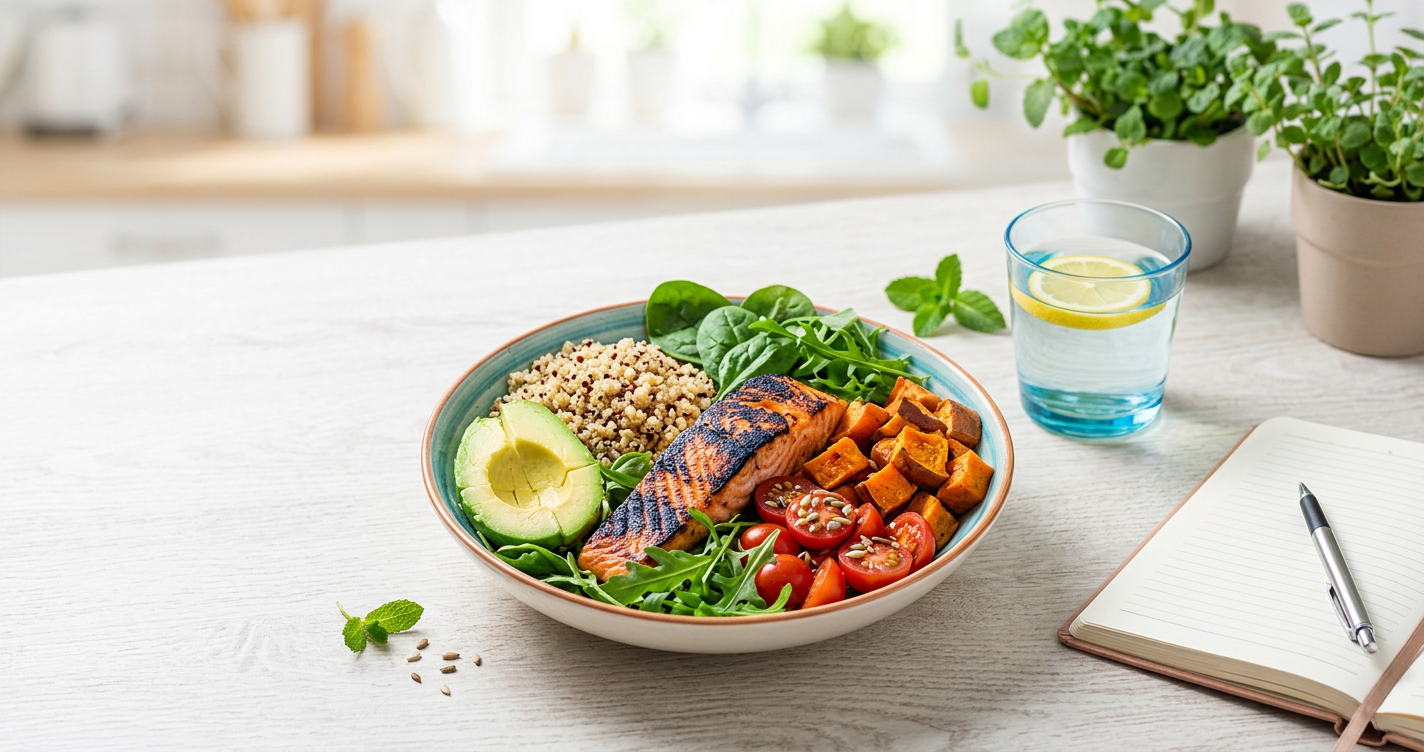
Excellent Sources: Oats, brown rice, quinoa, whole-wheat bread, fruits, all vegetables, sweet potatoes.
Fat Facts: Essential for Health & Satiety
Dietary fats are essential for hormone production, nutrient absorption, and brain health. Despite their higher calorie density, healthy fats are crucial for satiety and overall well-being during fat loss.
- Healthy Fats: Found in avocados, nuts, seeds, olive oil, and fatty fish, these provide sustained energy and help you feel full.
- Limit Unhealthy Fats: Trans fats (found in many processed foods) and excessive saturated fats should be limited.
Excellent Sources: Avocados, nuts (almonds, walnuts), seeds (chia, flax), olive oil, fatty fish (salmon, mackerel).
Micronutrients & Hydration: The Often-Overlooked Heroes
While macros provide energy, micronutrients (vitamins and minerals) are the tiny but mighty components that enable countless bodily functions, from metabolism to immunity. Ensuring you get enough through a varied diet of whole foods is paramount for health and effective fat loss.
Equally important is hydration. Water plays a vital role in:
- Metabolism: Many metabolic processes require water.
- Satiety: Sometimes, thirst is mistaken for hunger. Drinking water can help manage appetite.
- Digestion & Nutrient Transport: Water helps nutrients reach cells and aids waste removal.
Aim for at least 8 glasses of water a day, and even more if you're active or in a warm climate.
Mindful Eating: Connecting with Your Body's Signals
Nutrition isn't just about what you eat, but also how you eat. Mindful eating is a powerful tool for sustainable fat loss that encourages you to pay attention to your body's internal cues and your eating experience.
- Eat Slowly: It takes about 20 minutes for your stomach to signal to your brain that it's full. Slowing down allows this signal to register, preventing overeating.
- Savor Each Bite: Pay attention to the flavors, textures, and aromas of your food. This enhances enjoyment and satisfaction.
- Identify True Hunger: Learn to distinguish between physical hunger and emotional hunger (eating out of boredom, stress, or sadness).
- Stop When Satisfied, Not Stuffed: Aim for a comfortable fullness, not an uncomfortable one.
Practicing mindful eating helps you develop a healthier, more intuitive relationship with food, moving away from restrictive rules and towards self-awareness.
Practical Strategies for Everyday Sustainable Fat Loss
Knowledge is power, but application is key. Here are some actionable strategies to integrate into your daily life:
- Meal Prepping: Dedicate a few hours each week to prepare healthy meals and snacks in advance. This saves time, reduces decision fatigue, and ensures you always have nutritious options readily available.
- Portion Control: Familiarize yourself with appropriate portion sizes. Use smaller plates, measure out servings initially, and visualize portions (e.g., a deck of cards for protein, a cupped hand for carbs).
- Smart Snacking: If you need snacks, choose nutrient-dense options like a handful of almonds, an apple with peanut butter, or Greek yogurt.
- Read Food Labels: Understand what you're eating. Look for added sugars, unhealthy fats, and fiber content. Choose whole, unprocessed foods whenever possible.
- Navigate Social Situations: Don't let social events derail your progress. Eat a healthy snack before going out, choose lighter options, and focus on enjoying the company rather than just the food.
- Prioritize Sleep: Lack of sleep can disrupt hunger hormones (ghrelin and leptin), leading to increased cravings and appetite. Aim for 7-9 hours of quality sleep.
- Manage Stress: Chronic stress can elevate cortisol levels, potentially increasing fat storage, especially around the belly. Find healthy ways to manage stress, such as meditation, yoga, or spending time in nature.
The Role of Patience and Consistency in Your Journey
Sustainable fat loss is a journey, not a destination, and certainly not a race. There will be good days and challenging days. What truly matters is consistency over perfection.
- Embrace Small Wins: Celebrate every healthy choice, every consistent workout, every time you choose water over a sugary drink.
- Don't Let Slip-Ups Derail You: One less-than-perfect meal or day doesn't erase your progress. Acknowledge it, learn from it, and get right back on track with your next meal.
- Be Patient: Healthy fat loss is gradual (typically 1-2 pounds per week). Trust the process and focus on the long-term benefits to your health and well-being.
- Seek Support: Share your goals with a supportive friend, family member, or consider working with a coach or dietitian if you need personalized guidance.
Your Sustainable Fat Loss Journey Starts Now!
You have the power to transform your body and your health through smart, sustainable nutrition. By focusing on whole, nutrient-dense foods, understanding your energy needs, prioritizing protein, fiber, and healthy fats, staying hydrated, and practicing mindful eating, you're building habits that will serve you for a lifetime.
Remember, this isn't about rigid rules or deprivation; it's about making informed choices that nourish your body, fuel your energy, and bring you closer to a healthier, happier you. Start small, stay consistent, and celebrate every step of your incredible journey towards lasting fat loss and vibrant health!