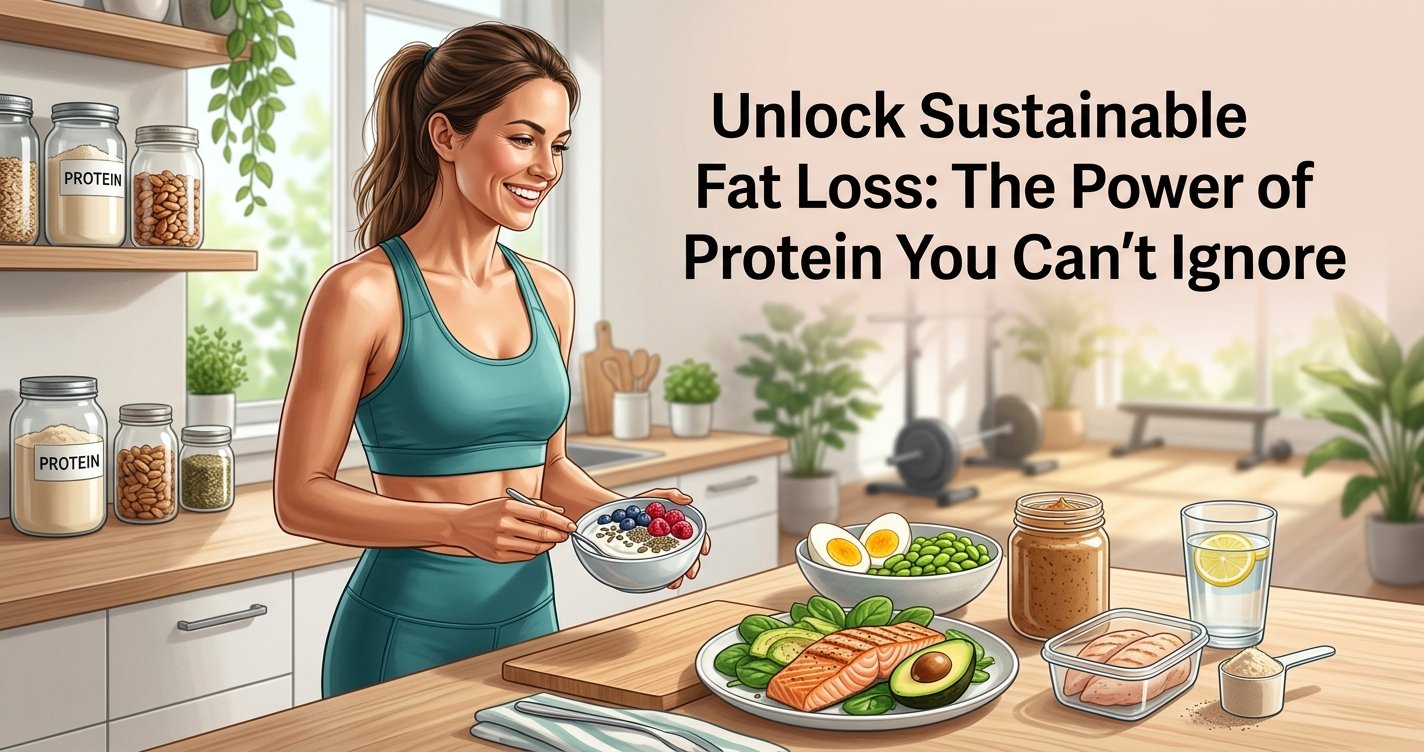
Unlock Sustainable Fat Loss: The Power of Protein You Can't Ignore
Are you tired of the endless cycle of restrictive diets, quick fixes, and the frustration of losing weight only to gain it back? You're not alone. The journey to sustainable fat loss can feel like navigating a maze, but what if there was one key nutrient that could simplify your path, keep you feeling full, and help you preserve your hard-earned muscle?
Enter protein. Often overlooked or misunderstood, protein isn't just for bodybuilders; it's a powerhouse nutrient crucial for anyone serious about shedding fat and building a healthier, stronger body. In this evidence-based guide, we'll dive deep into why protein is your ultimate ally in the fat loss battle, how much you truly need, and delicious ways to seamlessly incorporate more of it into your daily life. Get ready to transform your approach to fat loss, one protein-packed meal at a time! this excellent wellness product
Why Protein is Your Secret Weapon for Sustainable Fat Loss
Let's cut to the chase: protein offers a trifecta of benefits that are simply unmatched when it comes to effective and sustainable fat loss. It tackles hunger, boosts your metabolism, and protects your muscle, all while you're in a calorie deficit. Here’s how:
1. The Satiety Superstar: Keeping Hunger at Bay
One of the biggest hurdles in any fat loss journey is managing hunger. Protein is renowned for its ability to make you feel fuller for longer compared to carbohydrates or fats. This isn't just a feeling; it's backed by science. Protein influences the release of gut hormones like GLP-1 and PYY, which signal satiety to your brain, while simultaneously suppressing ghrelin, the "hunger hormone." This means fewer cravings, less snacking, and an easier time sticking to your calorie goals without feeling deprived.
2. The Metabolic Advantage: Burning More Calories
Ever heard of the "thermic effect of food" (TEF)? This refers to the calories your body burns simply digesting, absorbing, and processing nutrients. Protein has a significantly higher TEF than carbs or fats. While fats might have a TEF of 0-3% and carbs 5-10%, protein can range from 20-30%. This means that for every 100 calories of protein you consume, your body uses 20-30 calories just to process it! Over the course of a day, this adds up, giving you a small but significant metabolic boost.
3. Muscle Preservation: Protecting Your Lean Mass
When you're in a calorie deficit, your body naturally looks for energy sources. Without adequate protein, there's a risk of losing not just fat, but also precious muscle mass. Muscle is metabolically active, meaning it burns more calories at rest than fat does. Preserving muscle during fat loss is critical for maintaining a healthy metabolism, strength, and a toned physique. Protein provides the essential amino acids your body needs to repair and build muscle, ensuring that the weight you lose is primarily fat, not muscle.
How Much Protein Do You Really Need for Optimal Fat Loss?
The "recommended daily allowance" (RDA) for protein (0.8 grams per kilogram of body weight) is typically the minimum to prevent deficiency, not necessarily optimal for fat loss or active individuals. For those aiming to shed fat and preserve muscle, research suggests significantly higher intakes.
Most evidence-based recommendations for fat loss point towards:
- 1.6 to 2.2 grams of protein per kilogram of body weight (0.7 to 1.0 grams per pound of body weight) per day.
For example, a person weighing 70 kg (about 154 lbs) aiming for fat loss might target 112 to 154 grams of protein daily. This range helps maximize satiety, muscle preservation, and the thermic effect of food within a calorie-controlled diet. Don't worry if these numbers seem high at first; we'll show you how to hit them!
Pro Tip: Distribute your protein intake throughout the day. Aim for 20-40 grams of protein per meal and snack to optimize muscle protein synthesis and keep you feeling full and energized.
Delicious Ways to Boost Your Protein Intake Every Day
Incorporating more protein into your diet doesn't have to be bland or boring. Here are some fantastic, versatile sources and practical tips:
Top Protein Powerhouses:
- Lean Meats: Chicken breast, turkey, lean beef, pork tenderloin.
- Fish & Seafood: Salmon, tuna, cod, shrimp, sardines.
- Eggs: The ultimate versatile protein source, whites and yolks included!
- Dairy: Greek yogurt, cottage cheese, milk, cheese (in moderation).
- Legumes & Lentils: Black beans, chickpeas, lentils (great for plant-based options).
- Plant-Based Alternatives: Tofu, tempeh, edamame, seitan.
- Protein Powders: Whey, casein, soy, pea, or rice protein can be convenient supplements for shakes or added to recipes.
Practical Tips for Protein-Packing Your Meals:
- Start Strong: Make breakfast protein-rich. Think scrambled eggs, Greek yogurt with berries, or a protein smoothie.
- Lunch & Dinner Staples: Always include a lean protein source as the centerpiece of your main meals.
- Smart Snacking: Opt for protein-rich snacks like a handful of almonds, a hard-boiled egg, or a small serving of cottage cheese instead of processed carbs.
- Cook in Bulk: Prepare a batch of grilled chicken or hard-boiled eggs at the beginning of the week for quick additions to meals.
- Get Creative: Add lentils to soups, chickpeas to salads, or nutritional yeast to savory dishes for an extra protein punch.
Dispelling Protein Myths and Common Concerns
Despite its benefits, protein often gets a bad rap. Let's clear up some common misconceptions:
Myth 1: "Too Much Protein is Bad for Your Kidneys."
The Truth: For healthy individuals with normal kidney function, there is no strong evidence that high protein intake (even up to 2.2 g/kg) causes kidney damage. Studies show that high protein diets are safe and effective for fat loss. However, if you have pre-existing kidney disease, it's crucial to consult your doctor or a registered dietitian before making significant dietary changes.
Myth 2: "Protein Will Make Me Bulky."
The Truth: This is a common concern, especially among women. Eating protein alone will not make you "bulky." Building significant muscle mass requires intense strength training, a calorie surplus, and often specific hormonal profiles. Protein supports muscle repair and growth, which is fantastic for a toned physique, but it won't magically transform you into a bodybuilder overnight.
Myth 3: "Only Bodybuilders Need High Protein."
The Truth: While bodybuilders certainly benefit from high protein, it's essential for everyone, especially those looking to lose fat, maintain muscle as they age, or lead an active lifestyle. Protein is vital for countless bodily functions beyond muscle building, including hormone production, enzyme function, and immune health.
Beyond Protein: A Holistic Approach to Sustainable Fat Loss
While protein is a powerful tool, remember it's one piece of a larger puzzle. For truly sustainable fat loss, integrate protein with these other crucial elements:
- Calorie Deficit: To lose fat, you must consume fewer calories than you burn. Protein makes this easier by enhancing satiety.
- Strength Training: Lifting weights is paramount for preserving and building muscle, which is key for a healthy metabolism and body composition.
- Adequate Sleep: Poor sleep can disrupt hunger hormones (ghrelin and leptin), making fat loss incredibly challenging. Aim for 7-9 hours per night.
- Stress Management: Chronic stress elevates cortisol, which can hinder fat loss and encourage fat storage, particularly around the midsection.
- Hydration: Drinking plenty of water supports metabolism, satiety, and overall health.
- Whole Foods Focus: Prioritize nutrient-dense whole foods (fruits, vegetables, whole grains, healthy fats) alongside your protein.
Embrace the Power of Protein for a Healthier You!
You now have the knowledge and tools to harness the incredible power of protein for your fat loss journey. By prioritizing this vital nutrient, you'll not only feel fuller and more satisfied but also protect your metabolism, preserve your muscle, and set yourself up for long-term success.
Remember, sustainable fat loss isn't about deprivation; it's about smart, evidence-based choices that nourish your body and fuel your goals. Start by making small, consistent changes: add an extra serving of protein to your breakfast, choose a protein-rich snack, or swap out a processed carb for a lean protein source at dinner.
Your journey to a healthier, stronger, and more confident you begins now. Embrace protein, stay consistent, and celebrate every step of your progress. You've got this!