Beyond Quick Fixes: Unlock Sustainable Fat Loss with Protein & Smart Calorie Deficits
Are you tired of the yo-yo diet cycle? The endless pursuit of quick fixes that promise rapid results only to leave you feeling frustrated and heavier than before? You're not alone. In a world saturated with fad diets and extreme detoxes, it's easy to lose sight of what truly works for lasting fat loss. The good news? Achieving your fat loss goals doesn't have to be a battle against hunger or a complex maze of rules. The secret lies in understanding two fundamental, evidence-backed pillars: a smart calorie deficit and the incredible power of protein.
This post isn't about deprivation; it's about empowerment. We'll explore how to create a sustainable approach to fat loss that not only sheds unwanted pounds but also helps you build healthier habits for life. Get ready to transform your body and your relationship with food, one delicious, protein-packed meal at a time! this excellent wellness product
Why "Sustainable" Fat Loss Matters More Than "Fast" Fat Loss
The allure of losing 10 pounds in a week is undeniable, but often, such rapid weight loss comes at a steep price. Extreme calorie restriction can lead to:
- Muscle Loss: When you restrict calories too severely, your body may break down muscle tissue for energy, which is detrimental to your metabolism and overall strength.
- Nutrient Deficiencies: Very restrictive diets often lack essential vitamins and minerals, impacting your health and energy levels.
- Metabolic Slowdown: Your body adapts to extreme deficits by slowing down your metabolism, making it harder to lose weight in the long run and easier to regain it.
- Rebound Weight Gain: The infamous "yo-yo" effect. Unsustainable diets are impossible to maintain, leading to a return to old habits and often gaining back more weight than you lost.
Sustainable fat loss, on the other hand, focuses on gradual, consistent progress. It prioritizes preserving muscle, nourishing your body, and building habits you can stick with for a lifetime. This approach not only leads to lasting results but also improves your overall health and well-being.
The Cornerstone: Understanding Your Calorie Deficit
At its core, fat loss is a simple equation: you need to consume fewer calories than your body burns. This is known as a calorie deficit. Your body then taps into its stored fat reserves for energy.
How to Create a Smart Calorie Deficit
Instead of drastic cuts, aim for a moderate deficit that feels manageable. A good starting point is to reduce your daily intake by 250-500 calories below your Total Daily Energy Expenditure (TDEE). You can estimate your TDEE using online calculators (search "TDEE calculator" and input your age, sex, weight, height, and activity level).
Example: If your TDEE is 2000 calories, aiming for 1500-1750 calories per day creates a deficit that promotes steady fat loss (typically 0.5-1 pound per week) without feeling deprived.
The Pitfalls of Too Large a Deficit
While a deficit is necessary, going too low can be counterproductive. As mentioned, it can lead to muscle loss, nutrient deficiencies, and metabolic adaptation. It also makes you feel excessively hungry and fatigued, making adherence incredibly difficult. Remember, consistency beats intensity every time!
Protein: Your Secret Weapon for Fat Loss
If there's one macronutrient to prioritize for fat loss, it's protein. Here's why:
1. Satiety & Reduced Cravings
Protein is incredibly filling. It helps regulate hunger hormones like ghrelin (which stimulates appetite) and leptin (which signals fullness), keeping you satisfied for longer. This means fewer mindless snacks and a greater ability to stick to your calorie goals.
2. Muscle Preservation & Growth
When you're in a calorie deficit, your body is at risk of breaking down muscle tissue, especially if protein intake is low. Adequate protein intake is crucial for preserving your hard-earned muscle mass. More muscle means a higher resting metabolism, helping you burn more calories even at rest.
3. The Thermic Effect of Food (TEF)
Digesting food requires energy, and this is known as the Thermic Effect of Food (TEF). Protein has the highest TEF compared to carbohydrates and fats. This means your body burns more calories simply processing protein-rich foods.
How Much Protein Do You Need?
For fat loss, aim for approximately 0.7 to 1 gram of protein per pound of your target body weight (or current body weight if you're overweight). For example, if you weigh 150 pounds, aim for 105-150 grams of protein per day. Spread your protein intake throughout the day across all your meals and snacks.
Excellent Protein Sources:
- Lean Meats: Chicken breast, turkey, lean beef, pork tenderloin
- Fish & Seafood: Salmon, cod, tuna, shrimp
- Eggs & Dairy: Eggs, Greek yogurt, cottage cheese, low-fat milk
- Plant-Based: Lentils, beans, chickpeas, tofu, tempeh, edamame, protein powder (whey, casein, soy, pea)
Crafting Your Plate: Putting It All Together
Now that you understand the "why," let's talk about the "how" to build your meals for sustainable fat loss:
- Prioritize Protein: Make protein the star of every meal. A serving size typically ranges from 3-6 ounces, depending on your individual needs.
- Load Up on Fiber-Rich Vegetables: Non-starchy vegetables (broccoli, spinach, bell peppers, zucchini, leafy greens) are low in calories but high in volume and fiber, further enhancing satiety and providing essential nutrients. Fill half your plate with them!
- Include Complex Carbohydrates: Don't fear carbs! Whole grains (oats, quinoa, brown rice, whole-wheat bread) and starchy vegetables (sweet potatoes, potatoes) provide sustained energy and fiber. Portion control is key here.
- Add Healthy Fats: Healthy fats (avocado, nuts, seeds, olive oil) are vital for hormone production and nutrient absorption. They are calorie-dense, so use them sparingly but consistently.
- Hydrate: Drink plenty of water throughout the day. Sometimes, thirst can be mistaken for hunger.
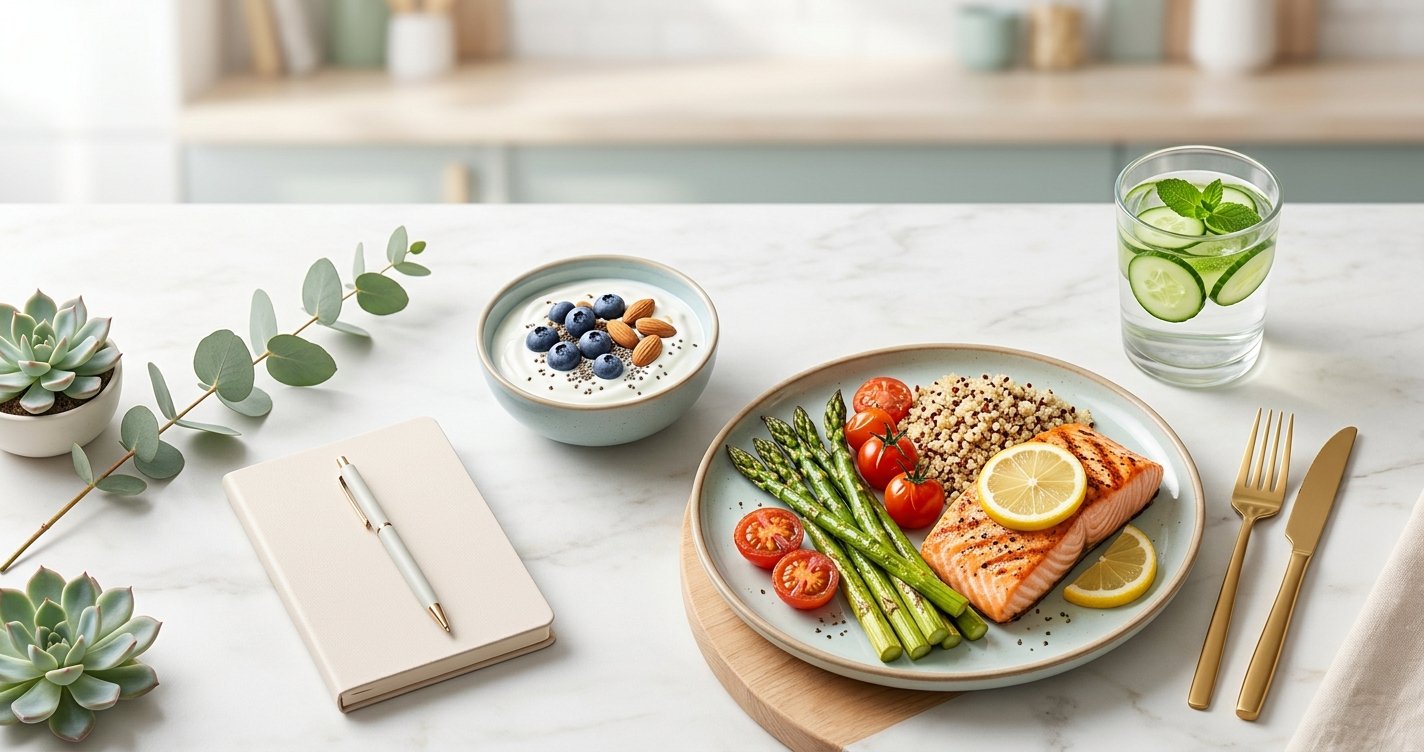
Example Meal Idea: Grilled chicken breast (protein) with a large serving of roasted broccoli and bell peppers (fiber-rich veggies), a small portion of quinoa (complex carb), and a drizzle of olive oil (healthy fat).
Beyond the Plate: Lifestyle Factors for Success
While nutrition is paramount, other lifestyle elements significantly impact your fat loss journey:
1. Quality Sleep
Lack of sleep disrupts hunger-regulating hormones (ghrelin and leptin), making you hungrier and more prone to cravings. Aim for 7-9 hours of quality sleep per night.
2. Stress Management
Chronic stress elevates cortisol levels, a hormone that can promote fat storage, especially around the belly. Incorporate stress-reducing activities like meditation, yoga, reading, or spending time in nature.
3. Consistent Movement
While you can't out-exercise a bad diet, regular physical activity is crucial. Incorporate a mix of strength training (to build and preserve muscle) and cardiovascular exercise (to burn calories and improve heart health). Even increasing your daily steps (NEAT - Non-Exercise Activity Thermogenesis) makes a difference!
Your Journey to Sustainable Fat Loss Starts Now
Embarking on a fat loss journey can feel overwhelming, but by focusing on these core principles – a moderate calorie deficit and ample protein intake – you're setting yourself up for success. Remember, this isn't about perfection; it's about progress. Start small, make consistent choices, and be patient with yourself.
Embrace protein-rich meals, be mindful of your overall calorie intake, and integrate healthy lifestyle habits. You have the power to break free from the cycle of quick fixes and build a body and a lifestyle that truly serves you. Your sustainable fat loss journey begins today!