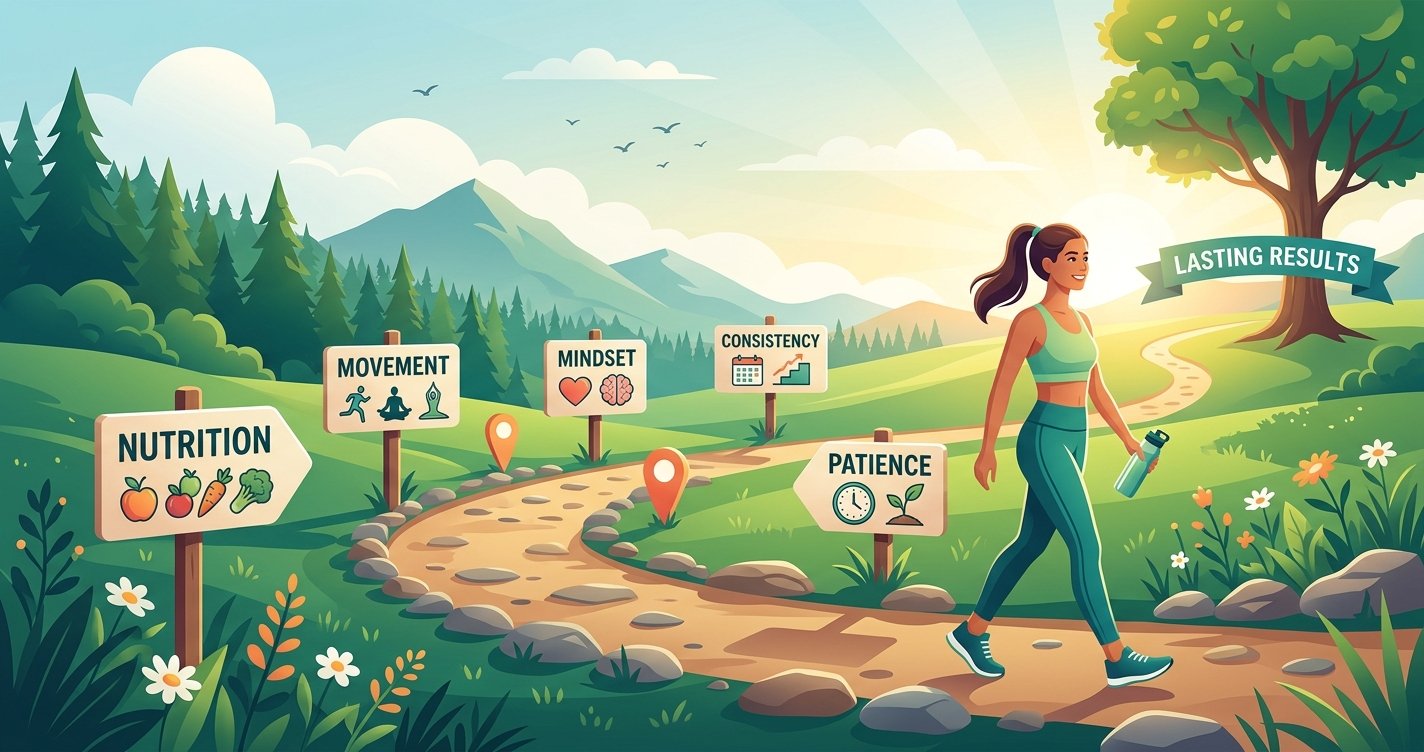
Are you tired of the never-ending cycle of crash diets, quick fixes, and the disheartening 'yo-yo' effect? You're not alone. In a world obsessed with instant gratification, the fitness industry often sells us dreams of rapid weight loss that are rarely sustainable, leaving us feeling frustrated and defeated. But what if there was a better way? A path to fat loss that not only works but also empowers you to build healthier habits for life?
This guide isn't about deprivation or extreme measures. It's about understanding the science behind sustainable fat loss and equipping you with practical, evidence-based strategies to achieve your goals and maintain them long-term. Forget the fads; let's build a roadmap to lasting results. this excellent wellness product
The Foundation: Understanding the Calorie Deficit (Without Obsession)
At its core, fat loss boils down to one fundamental principle: consuming fewer calories than your body expends. This is known as a calorie deficit. While this sounds simple, the nuance lies in *how* you achieve it sustainably and healthily, without feeling constantly hungry or deprived.
A sustainable calorie deficit doesn't mean starving yourself. It means making smart, conscious choices that gently reduce your caloric intake while still providing your body with abundant nutrients. This often involves:
- Prioritizing whole, unprocessed foods that are naturally lower in calories and higher in volume (think fruits, vegetables, lean proteins).
- Practicing mindful eating and portion control.
- Reducing sugary drinks and highly processed snacks.
The goal isn't to hit an exact number every single day but to create an average deficit over time. Focus on consistency, not perfection, and aim for a gradual loss of 1-2 pounds per week, which is generally considered safe and sustainable.
Fueling Your Body: The Power of Protein and Whole Foods
Protein: Your Fat Loss Best Friend
If there's one macronutrient to prioritize for fat loss, it's protein. Here's why:
- Satiety: Protein is incredibly filling. Including enough protein in your meals helps you feel fuller for longer, reducing the likelihood of overeating or snacking on less nutritious foods.
- Muscle Preservation: When you're in a calorie deficit, your body can break down muscle tissue for energy. Adequate protein intake helps preserve your precious muscle mass, which is crucial for maintaining a healthy metabolism.
- Thermic Effect of Food (TEF): Protein has a higher TEF than carbs or fats, meaning your body burns more calories digesting and metabolizing protein.
Aim to include a lean protein source with every meal, such as chicken breast, fish, eggs, Greek yogurt, lentils, or tofu.
Embracing Whole, Unprocessed Foods
While calories matter, the *quality* of those calories matters just as much. Building your diet around whole, unprocessed foods is a game-changer for sustainable fat loss.
Whole foods (fruits, vegetables, lean meats, whole grains, legumes, nuts, and seeds) are packed with fiber, vitamins, and minerals. Fiber, in particular, contributes to satiety and supports healthy digestion. These foods provide sustained energy, prevent sharp blood sugar spikes and crashes, and naturally make it easier to maintain a calorie deficit without feeling hungry.
Conversely, highly processed foods, often high in refined sugars, unhealthy fats, and artificial ingredients, tend to be calorie-dense but nutrient-poor. They offer little satiety and can trigger cravings, making fat loss a constant uphill battle.
Move Your Body: Beyond Just Cardio
While diet is paramount, physical activity plays a vital role in accelerating fat loss, improving body composition, and boosting overall health.
The Magic of Strength Training
Forget the myth that strength training is just for bodybuilders. For fat loss, it's a non-negotiable component. Lifting weights (or using your body weight) helps you:
- Build and Preserve Muscle: As mentioned, muscle is metabolically active, meaning it burns more calories at rest than fat does. More muscle = higher resting metabolism.
- Improve Body Composition: Strength training helps you reshape your body, leading to a more toned and athletic physique, even before the scale reflects significant changes.
- Boost Bone Density and Overall Strength: Beyond aesthetics, strength training offers incredible health benefits as you age.
Aim for 2-3 full-body strength training sessions per week. Don't fear 'bulking up' – it's much harder for women to build significant muscle mass without specific training and dietary protocols.
Incorporating NEAT (Non-Exercise Activity Thermogenesis)
NEAT refers to the calories burned through everyday movements that aren't formal exercise – walking, standing, fidgeting, taking the stairs, gardening, cleaning. These small movements accumulate throughout the day and can significantly contribute to your total daily energy expenditure.
Small changes can make a big difference: take the stairs instead of the elevator, park further away, walk during phone calls, or set a timer to stand up and move every hour.
Smart Cardio for Heart Health and Calorie Burn
Cardio still has its place! It's excellent for cardiovascular health and burns calories. A mix of moderate-intensity steady-state cardio (LISS, like brisk walking or cycling) and occasional high-intensity interval training (HIIT) can be highly effective. LISS is great for recovery and can be done more frequently, while HIIT offers a greater 'afterburn effect' (EPOC), where your body continues to burn calories at an elevated rate post-workout.
The Unseen Heroes: Sleep, Stress, and Hydration
Often overlooked, these three factors can make or break your fat loss journey.
Prioritizing Quality Sleep
Poor sleep disrupts crucial hormones that regulate appetite and metabolism. Lack of sleep increases ghrelin (the hunger hormone) and decreases leptin (the satiety hormone), making you feel hungrier and less satisfied. It also elevates cortisol, a stress hormone linked to increased fat storage, particularly around the midsection.
Aim for 7-9 hours of quality sleep per night. Establish a consistent sleep schedule, create a relaxing bedtime routine, and optimize your sleep environment.
Managing Stress for Better Results
Chronic stress also keeps cortisol levels elevated, which can interfere with fat loss and promote fat storage. Furthermore, many people turn to food for comfort when stressed, leading to emotional eating and increased caloric intake.
Develop healthy stress management techniques: meditation, yoga, spending time in nature, deep breathing exercises, journaling, or engaging in hobbies you enjoy. Addressing stress is a vital, often underestimated, part of a sustainable fat loss plan.
The Simple Power of Water
Staying well-hydrated is crucial. Water plays a role in nearly every bodily function, including metabolism. Drinking enough water can also help with satiety, sometimes mistaken for hunger, and can prevent fatigue.
Keep a water bottle handy and aim to drink at least 8 glasses (around 2 liters) of water daily, more if you're active or in a hot climate.
Cultivating a Fat Loss Mindset: Patience and Consistency
Perhaps the most critical, yet often neglected, aspect of sustainable fat loss is your mindset. Shift your perspective from viewing this as a temporary 'diet' to embracing it as a permanent 'lifestyle change.'
- Patience is Key: Fat loss is rarely linear. There will be plateaus, slight fluctuations, and moments of frustration. Understand that progress takes time, and celebrate small victories along the way.
- Consistency Over Perfection: You don't need to be perfect every day. One 'off' meal or workout won't derail your progress. It's the consistent effort over weeks, months, and years that yields results. Get back on track with the next meal or workout without self-blame.
- Self-Compassion: Be kind to yourself. Learn from setbacks rather than letting them define you. Develop a positive relationship with food and your body.
- Focus on Health, Not Just the Scale: While the scale can be a tool, it doesn't tell the whole story. Pay attention to how your clothes fit, your energy levels, your strength gains, and your overall well-being.
Conclusion
Sustainable fat loss isn't about chasing fleeting trends or punishing your body. It's about building a foundation of healthy habits that you can maintain for life. By understanding the gentle power of a calorie deficit, prioritizing protein and whole foods, incorporating a mix of strength training and NEAT, and optimizing your sleep, stress, and hydration, you're not just losing fat – you're building a healthier, stronger, and more vibrant you.
This is your roadmap. Start small, be consistent, and trust the process. Your lasting results are within reach.