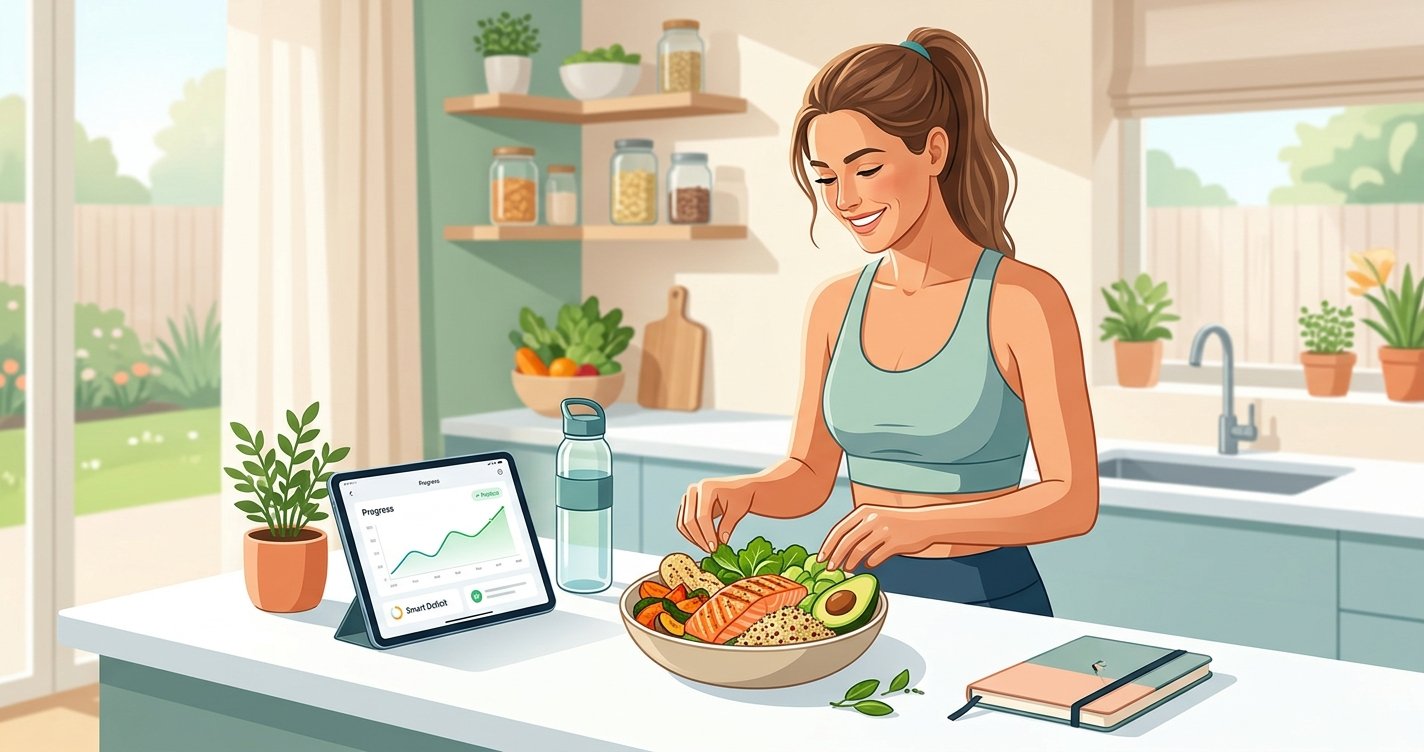
Unlock Sustainable Fat Loss: Your Ultimate Guide to a Smart Calorie Deficit
Feeling stuck on your fat loss journey? You’re not alone. The internet is flooded with quick fixes, extreme diets, and confusing advice that often leaves you feeling deprived, frustrated, and right back where you started. But what if there was a simpler, more sustainable path to achieving your body composition goals? The good news is, there is. And it all boils down to one fundamental, evidence-based principle: the calorie deficit.
Forget the fads and the hype. This isn't about starvation or endless cardio. This guide is about understanding how your body truly sheds fat and equipping you with the practical, friendly, and sustainable strategies to create a smart calorie deficit that works for *you*. We’ll demystify the science, help you find your personal sweet spot, and show you how to enjoy the journey without feeling deprived. Ready to finally build habits that last and see real, lasting results? Let’s dive in! this excellent wellness product
What Exactly IS a Calorie Deficit? (And Why It Matters So Much)
At its core, fat loss is a matter of energy balance. Think of your body like a car. It needs fuel (calories from food) to run. If you put in more fuel than it needs, the excess is stored (often as fat). If you put in less fuel than it needs, your body has to tap into its stored energy reserves – primarily body fat – to make up the difference. This state of consuming fewer calories than your body expends is known as a calorie deficit.
It's the undeniable truth behind every successful fat loss story, whether someone followed a keto diet, intermittent fasting, or a low-fat plan. These diets often work because they inherently help people achieve a calorie deficit, not because of some magical property of the diet itself. Understanding this principle empowers you, because it means you can achieve fat loss through a variety of dietary approaches, as long as you maintain that crucial energy balance.
Why Fad Diets Often Fail
Many popular diets promise rapid weight loss by creating extreme calorie deficits. While they might deliver quick initial results, these drastic cuts are often unsustainable. They can lead to:
- Intense hunger and cravings: Making adherence nearly impossible.
- Nutrient deficiencies: Harming your overall health.
- Metabolic adaptation: Your body slowing down its calorie burning to conserve energy.
- Muscle loss: Losing valuable muscle mass, which is crucial for metabolism and strength.
- The dreaded rebound: Regaining all the lost weight (and often more) once you stop the restrictive diet.
Our focus here is on a smart, moderate, and sustainable calorie deficit that prioritizes your health, energy, and long-term success.
Finding Your "Sweet Spot": Calculating Your Personalized Calorie Target
The first step to creating a smart calorie deficit is understanding your body's current energy needs. This is often referred to as your Total Daily Energy Expenditure (TDEE). Your TDEE is the total number of calories your body burns in a 24-hour period, factoring in:
- Basal Metabolic Rate (BMR): Calories burned at rest to keep vital functions going (breathing, circulation, etc.).
- Thermic Effect of Food (TEF): Calories burned digesting and absorbing food.
- Non-Exercise Activity Thermogenesis (NEAT): Calories burned through daily activities that aren't formal exercise (walking, fidgeting, standing).
- Exercise Activity Thermogenesis (EAT): Calories burned during planned exercise.
While precise calculations can be complex, you can get a very good estimate using online TDEE calculators. Simply search for "TDEE calculator" and input your age, gender, height, weight, and activity level. This will give you a baseline number – the calories you need to maintain your current weight.
Creating Your Deficit: The Right Way
Once you have your estimated TDEE, the next step is to subtract a moderate number of calories to create your deficit. For sustainable fat loss, a deficit of 250-500 calories per day is generally recommended. This translates to a healthy and manageable fat loss of approximately 0.5 to 1 pound per week (since one pound of fat is roughly 3,500 calories).
- Example: If your TDEE is 2,500 calories, aiming for 2,000-2,250 calories per day would put you in a sustainable deficit.
Remember, this is a starting point. Your body is unique, and you may need to adjust slightly based on your progress and how you feel. The goal is to feel energized, not depleted.
Practical Strategies for Achieving Your Deficit (Without Feeling Deprived)
Now that you know your target, how do you actually hit it without feeling hungry or constantly thinking about food? It’s all about smart food choices and mindful eating habits.
Prioritize Protein Power
Protein is your best friend for fat loss. It's highly satiating, meaning it keeps you feeling fuller for longer, which naturally reduces overall calorie intake. Plus, it helps preserve muscle mass during a calorie deficit, ensuring that the weight you lose is primarily fat. Aim for a good source of protein at every meal.
- Examples: Lean meats (chicken, turkey, beef), fish, eggs, Greek yogurt, cottage cheese, lentils, beans, tofu, protein powder.
Embrace Fiber-Rich Foods
Fiber adds bulk to your meals without adding many calories, contributing to satiety and healthy digestion. It also helps stabilize blood sugar levels, preventing energy crashes and cravings.
- Examples: Vegetables (especially leafy greens), fruits (berries, apples), whole grains (oats, quinoa, brown rice), legumes.
Make Smart Carb Choices
Carbohydrates aren't evil, but the type matters. Opt for complex carbohydrates over refined ones. Complex carbs provide sustained energy and often come packed with fiber and nutrients.
- Better Choices: Sweet potatoes, brown rice, whole-grain bread, oats, quinoa.
- Limit: Sugary drinks, white bread, pastries, highly processed snacks.
Don't Fear Healthy Fats (But Mind Portions)
Healthy fats are crucial for hormone production, nutrient absorption, and satiety. However, they are calorie-dense, so portion control is key. A little goes a long way!
- Examples: Avocados, nuts, seeds, olive oil, fatty fish (salmon).
Hydration is Key
Often, what we perceive as hunger is actually thirst. Drinking plenty of water throughout the day can help manage appetite and keep you feeling full. Swap sugary drinks (soda, juice, sweetened coffee) for water, unsweetened tea, or sparkling water with a squeeze of lemon.
Master Portion Control
Even healthy foods can contribute to a calorie surplus if consumed in large quantities. Learn to recognize appropriate portion sizes. Using smaller plates, measuring your food (especially calorie-dense items like oils, nuts, and sauces) initially, and paying attention to your body's hunger and fullness cues can be incredibly helpful.
Watch Out for Sneaky Calorie Culprits
Calories can hide in unexpected places. Dressings, sauces, condiments, and even seemingly healthy snacks can quickly add up. Be mindful of these additions and opt for lighter versions or use them sparingly.
Beyond the Kitchen: Lifestyle Habits to Boost Your Deficit
While nutrition is paramount, your lifestyle plays a significant role in making your calorie deficit effective and sustainable.
Move Your Body Smartly
Exercise isn't just about burning calories; it's about building a stronger, healthier you. Incorporate a mix of:
- Strength Training: Lifting weights builds muscle, which is metabolically active, meaning it burns more calories at rest than fat tissue. Aim for 2-3 sessions per week.
- NEAT (Non-Exercise Activity Thermogenesis): Simply moving more throughout your day can significantly increase your calorie expenditure. Take the stairs, park further away, walk during phone calls, stand more often.
- Cardio: Activities like walking, jogging, cycling, or swimming can directly burn calories and improve cardiovascular health. Find something you enjoy!
Sleep Your Way to Success
Lack of sleep can sabotage your fat loss efforts by disrupting hunger-regulating hormones. Ghrelin (the hunger hormone) increases, while leptin (the satiety hormone) decreases, leading to increased cravings and a tendency to overeat. Aim for 7-9 hours of quality sleep per night.
Stress Less, Lose More
Chronic stress elevates cortisol levels, a hormone that can promote fat storage, especially around the belly, and increase cravings for high-calorie, comfort foods. Incorporate stress-reducing activities into your routine like meditation, yoga, spending time in nature, or hobbies you enjoy.
Tracking, Adjusting, and Staying Patient
Your fat loss journey isn't a straight line. There will be ups and downs, but consistent effort and smart adjustments will lead you to your goals.
The Scale Isn't the Only Story
While the scale can be a useful tool, it doesn't tell the whole story. Weight can fluctuate daily due to water retention, muscle glycogen, and other factors. Instead of obsessing over daily weigh-ins, consider:
- Weekly or bi-weekly weigh-ins: To see overall trends.
- Body measurements: Tracking inches lost from your waist, hips, or arms.
- How your clothes fit: A great indicator of body composition changes.
- Progress photos: Visual proof of your transformation.
- Energy levels and mood: Are you feeling better, stronger, more vibrant?
Listen to Your Body
Pay attention to your hunger and fullness cues. Are you truly hungry, or just bored, stressed, or thirsty? Eating mindfully, without distractions, can help you reconnect with your body's signals.
The Power of Consistency Over Perfection
Don't let a single "bad" meal or day derail your efforts. Fat loss is a marathon, not a sprint. Consistency in your overall habits is far more important than achieving perfection every single day. If you slip up, acknowledge it, learn from it, and get right back on track with your next meal.
When to Adjust
If you hit a plateau (no progress for 2-3 weeks), or if you're consistently feeling lethargic or overly hungry, it might be time to adjust. You could:
- Slightly decrease your calorie intake (e.g., another 100-200 calories).
- Increase your NEAT or exercise activity.
- Ensure you're getting enough sleep and managing stress.
Never drastically cut calories to extreme levels; this is counterproductive for sustainable results.
Your Sustainable Fat Loss Journey Starts Now!
Achieving sustainable fat loss isn't about magical pills or extreme diets; it's about understanding the science and consistently applying smart, healthy habits. By focusing on a moderate calorie deficit, prioritizing nutrient-dense foods, staying active, and nurturing your body with sleep and stress management, you're not just losing fat – you're building a healthier, stronger, and more confident you.
Embrace this journey with patience, self-compassion, and an understanding that every small, consistent step forward leads to lasting success. You have the power to transform your body and your relationship with food. What small, sustainable change will you make today to kickstart your smart calorie deficit?