Tired of the Yo-Yo? Discover Sustainable Fat Loss Through Smart Nutrition!
Let's be honest: the world of fat loss can feel like a confusing maze of fad diets, restrictive rules, and quick fixes that rarely deliver lasting results. You've probably tried a few, seen some initial success, only to find yourself back where you started, feeling frustrated and defeated. But what if there was a better way? A path that focuses not on deprivation, but on nourishment, balance, and building habits that truly stick?
Welcome to your friendly, evidence-based guide to sustainable fat loss through smart nutrition. This isn't about rigid meal plans or eliminating entire food groups. It's about understanding how your body works, making informed choices, and fostering a healthy relationship with food that supports your goals for the long run. Get ready to ditch the diet mentality and embrace a lifestyle that brings you lasting results, more energy, and genuine well-being. this excellent wellness product
The Core Principle: Energy Balance and Why It Matters
At its heart, fat loss boils down to a fundamental concept: energy balance. To lose fat, you need to consume slightly fewer calories (units of energy from food) than your body expends. This creates a 'caloric deficit.' Think of it like this: if your body needs 2000 calories to maintain its current weight, consistently eating 1700-1800 calories will prompt your body to tap into its stored fat reserves for the extra energy it needs.
However, this isn't an invitation to starve yourself! Extreme caloric deficits are often counterproductive. They can lead to muscle loss (which slows metabolism), nutrient deficiencies, intense hunger, and a rebound effect once the diet ends. Our goal is a moderate, sustainable deficit that allows for consistent fat loss without feeling deprived or harming your health. This is where 'smart nutrition' truly shines – by making every calorie count, not just in quantity, but in quality.
Fueling Your Body Right: Macronutrients for Fat Loss
While total calories are important, the composition of those calories – your macronutrients – plays a crucial role in satiety, muscle preservation, and overall health during fat loss. The three main macros are protein, carbohydrates, and fats.
Protein: Your Fat Loss Powerhouse
If there's one macronutrient to prioritize for fat loss, it's protein. Here's why:
- Satiety: Protein is incredibly filling. Including adequate protein in your meals helps you feel fuller for longer, reducing overall calorie intake.
- Muscle Preservation: When you're in a caloric deficit, your body can sometimes break down muscle tissue for energy. Protein helps protect your precious muscle, which is vital for maintaining a healthy metabolism.
- Thermic Effect: Your body expends more energy digesting protein compared to carbs or fats, meaning you burn a few extra calories just by eating it!
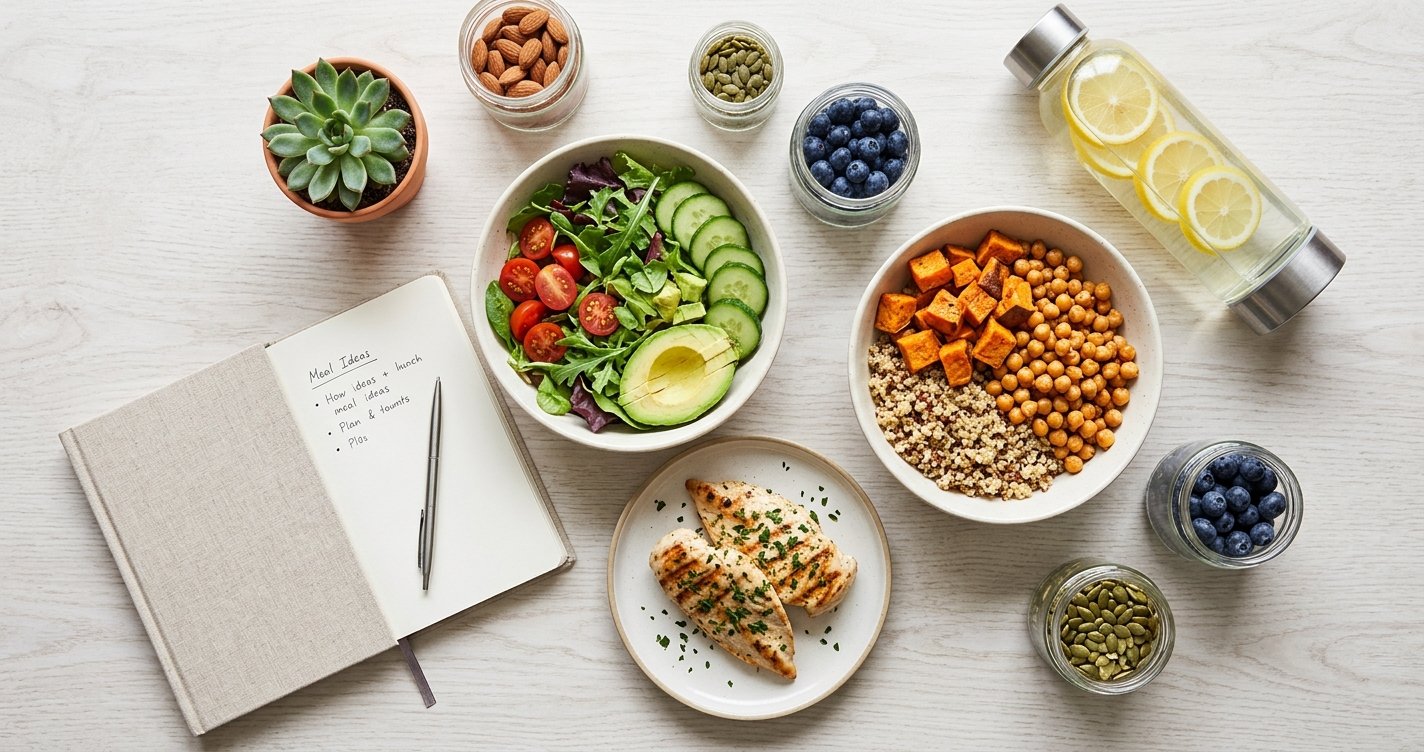
Aim for a lean protein source at every meal: chicken breast, fish, lean beef, eggs, Greek yogurt, cottage cheese, tofu, lentils, or beans.
Carbohydrates: Friend, Not Foe
Carbohydrates have gotten a bad rap in many fad diets, but they are essential for energy, brain function, and fiber intake. The key is choosing the right kind:
- Complex Carbs: These are your friends! Think whole grains (oats, brown rice, quinoa), fruits, and vegetables. They are rich in fiber, which aids digestion, promotes satiety, and provides a steady release of energy, preventing blood sugar spikes and crashes.
- Simple Carbs: Found in sugary drinks, white bread, and pastries, these offer quick energy but often lead to energy crashes and increased hunger. Limit these, especially during fat loss.
Don't fear carbs; embrace smart, fiber-rich sources that fuel your body and keep you satisfied.
Healthy Fats: Essential for Everything
Like carbs, fats have been unfairly demonized. Healthy fats are crucial for hormone production, nutrient absorption, and providing long-lasting energy. They also contribute to satiety.
- Unsaturated Fats: Found in avocados, nuts, seeds, olive oil, and fatty fish (salmon, mackerel). These are the superstars.
- Saturated Fats: Found in animal products and some plant oils (coconut oil). Consume in moderation.
- Trans Fats: Avoid these entirely. Often found in processed baked goods and fried foods.
Remember, fats are calorie-dense, so portion control is important, but don't cut them out. They are vital for your health and help you feel full.
Beyond Macros: Quality Over Quantity
While macros provide the framework, the quality of your food choices fills in the details. Focus on whole, unprocessed foods as much as possible. These foods are naturally rich in vitamins, minerals, and fiber, which are essential for overall health and optimal body function.
- Eat Your Veggies: Load up on non-starchy vegetables (leafy greens, broccoli, bell peppers) at every meal. They are low in calories, high in nutrients, and incredibly filling.
- Choose Whole Foods: Opt for foods in their most natural state – a piece of fruit instead of fruit juice, a sweet potato instead of fries, grilled chicken instead of processed nuggets.
- Limit Processed Foods: These are often high in unhealthy fats, added sugars, and sodium, and low in nutrients. They contribute 'empty calories' that don't satisfy or nourish.
Practical Strategies for Sustainable Eating
Knowing what to eat is one thing; consistently applying it is another. Here are some practical strategies to make smart nutrition a natural part of your life:
Meal Planning & Prep: Your Secret Weapon
Taking a little time each week to plan your meals and do some prep can dramatically improve your consistency. This could involve:
- Deciding on your meals and snacks for the week.
- Grocery shopping with a list.
- Chopping vegetables, cooking grains, or pre-cooking lean protein sources.
Having healthy options readily available reduces decision fatigue and the likelihood of reaching for less optimal choices when hunger strikes.
Mindful Eating & Hunger Cues
Slow down and truly pay attention to your body. Eat without distractions (no phone or TV). Ask yourself:
- Am I truly hungry, or am I bored, stressed, or thirsty?
- Am I eating too quickly?
- Am I satisfied, or still hungry?
Learning to listen to your body's hunger and fullness cues is a powerful tool for preventing overeating and fostering a healthier relationship with food.
Hydration: Often Overlooked, Always Important
Drinking enough water is crucial for countless bodily functions, including metabolism. Sometimes, what we perceive as hunger is actually thirst. Aim for at least 8 glasses of water a day, more if you're active. Keep a water bottle handy and sip throughout the day.
The 80/20 Rule: Flexibility is Key
Striving for perfection often leads to failure. Instead, aim for consistency. The 80/20 rule suggests that if you make nutritious choices 80% of the time, you can allow for more flexible choices (treats, dining out) the other 20%. This approach prevents feelings of deprivation, makes your eating plan sustainable, and helps you enjoy life without guilt.
Building Habits That Stick: Consistency is Your Superpower
Sustainable fat loss isn't about a crash diet; it's about building consistent, healthy habits over time. Small, incremental changes are far more powerful than drastic overhauls. Don't try to change everything at once. Pick one or two areas to focus on each week – maybe increasing your protein intake, adding more vegetables, or drinking more water.
Be patient with yourself. There will be days when you make less-than-perfect choices, and that's okay. What matters is how you respond. Don't let one 'slip-up' derail your entire journey. Get back on track with your next meal or the next day. Celebrate your progress, learn from your challenges, and remember that every healthy choice you make is a step towards your goal.
Your Journey to Lasting Results Begins Now!
You have the power to transform your relationship with food and achieve lasting fat loss. By focusing on energy balance, prioritizing protein, choosing smart carbs and healthy fats, and embracing whole foods, you're not just losing weight – you're building a foundation for a healthier, more energetic life. Ditch the quick fixes, embrace sustainable nutrition, and empower yourself with choices that truly nourish your body and soul. Start small, stay consistent, and watch as you unlock the lasting results you've always dreamed of.