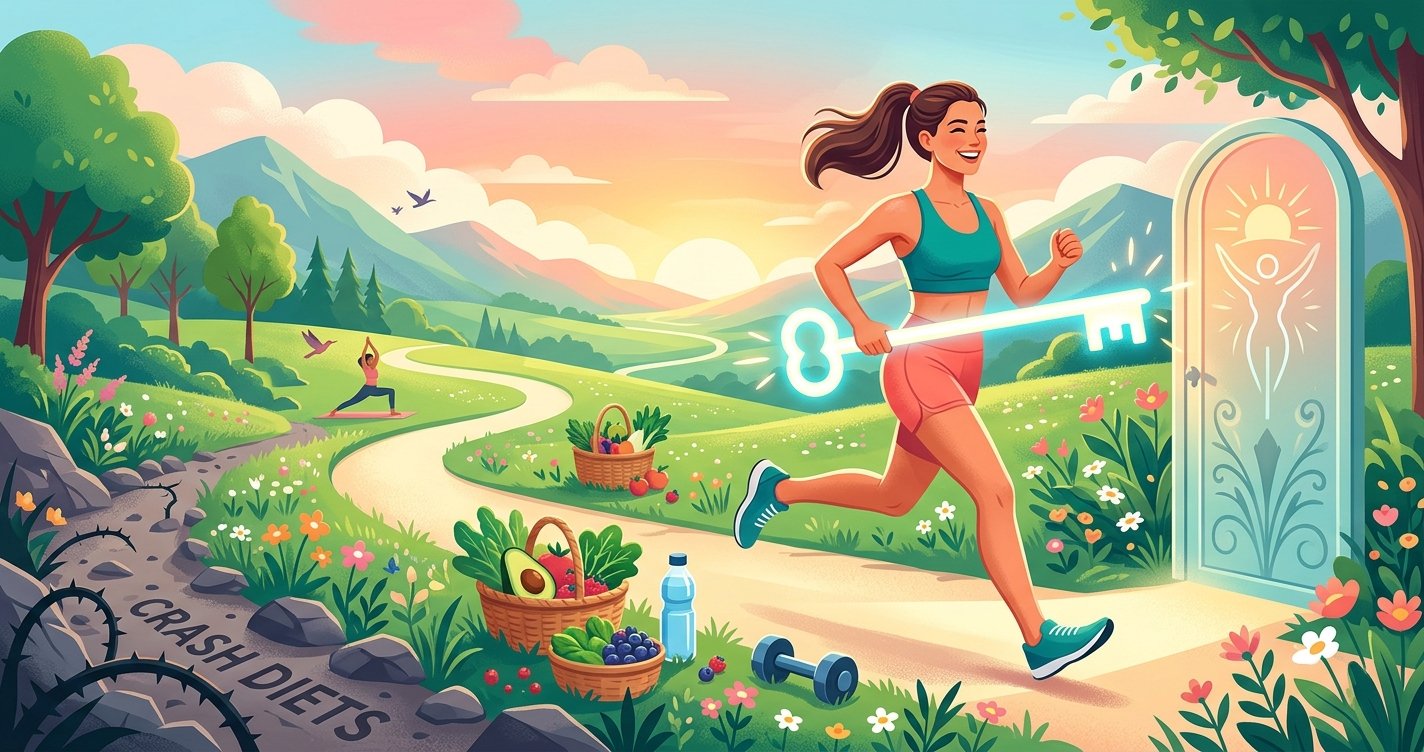
Tired of the Diet Rollercoaster? Discover Sustainable Fat Loss!
Have you ever felt caught in a frustrating cycle? You start a strict diet, lose some weight, only to gain it back (and sometimes more!) once the diet ends. It's a common story, and if it sounds familiar, you're not alone. The truth is, many popular 'quick fix' diets are designed for short-term results, not sustainable lifestyle change. They often leave you feeling deprived, exhausted, and ultimately defeated.
But what if there was a better way? A path to fat loss that doesn't involve extreme restriction or endless hunger, but instead empowers you to build healthy habits that last a lifetime? This isn't about dieting; it's about transforming your relationship with food, movement, and your body. Get ready to discover evidence-based strategies that will help you achieve lasting fat loss, improve your health, and feel fantastic – all without the dreaded diet rollercoaster. this excellent wellness product
Why Crash Diets Fail (And What to Do Instead)
The allure of rapid weight loss is powerful, but crash diets often set us up for failure. They typically involve severe calorie restriction, cutting out entire food groups, and an unsustainable level of deprivation. While you might see initial drops on the scale, much of this is often water weight or even muscle loss, not just fat. Here’s why they usually backfire:
- Metabolic Slowdown: Your body is smart. When calories plummet, it adapts by slowing down your metabolism to conserve energy, making further fat loss harder.
- Nutrient Deficiencies: Restrictive diets can strip your body of essential vitamins and minerals, impacting energy levels, mood, and overall health.
- Unbearable Hunger & Cravings: Extreme deprivation leads to intense hunger and cravings, making it incredibly difficult to stick to the plan long-term. This often results in 'rebound' eating.
- Muscle Loss: Without adequate protein and resistance training, severe calorie deficits can lead to muscle loss, which further reduces your resting metabolic rate.
- Mental & Emotional Toll: The constant focus on restriction can lead to feelings of guilt, shame, and a negative relationship with food, increasing stress and potentially leading to disordered eating patterns.
Instead of chasing quick fixes, let's focus on building sustainable habits that respect your body and promote long-term well-being.
Protein Power: Your Ally for Satiety and Muscle
If there's one macronutrient that deserves extra attention for fat loss, it's protein. Protein is incredibly satiating, meaning it helps you feel fuller for longer, reducing the urge to snack or overeat. This is crucial when you're aiming to eat in a calorie deficit without feeling constantly hungry.
Beyond satiety, protein plays a vital role in preserving muscle mass, especially when you're losing weight. Muscle is metabolically active tissue, meaning it burns more calories at rest than fat. By consuming enough protein (aim for 0.7-1 gram per pound of body weight per day for active individuals), you help protect your metabolism and ensure that the weight you lose is primarily fat.
Great protein sources include: lean meats, poultry, fish, eggs, dairy (Greek yogurt, cottage cheese), legumes (lentils, beans), tofu, tempeh, and protein powder.
Embrace Whole Foods: Nourish Your Body, Naturally Lose Weight
Imagine fueling your body with foods that not only taste good but also provide a wealth of nutrients, fiber, and sustained energy. That's the power of whole, unprocessed foods. These are foods in their most natural state, like fruits, vegetables, whole grains, lean proteins, and healthy fats.
Unlike highly processed foods, which are often calorie-dense and nutrient-poor, whole foods are typically lower in calories relative to their volume, rich in fiber, and packed with vitamins and minerals. The fiber content in fruits, vegetables, and whole grains aids digestion, helps regulate blood sugar, and contributes significantly to feelings of fullness. By prioritizing whole foods, you naturally reduce your intake of added sugars, unhealthy fats, and artificial ingredients that often contribute to weight gain and poor health.
Move Your Body, Boost Your Metabolism: The Role of Exercise
While nutrition is paramount for fat loss, movement is its powerful partner. Exercise not only burns calories but also improves your body composition, boosts your mood, and enhances overall health. But when it comes to fat loss, not all exercise is created equal.
Beyond Just Cardio: Why Strength Training is Key
Many people associate fat loss primarily with endless cardio, but strength training (lifting weights, using resistance bands, bodyweight exercises) is an absolute game-changer. Here's why:
- Builds Muscle: As discussed, muscle is metabolically active. The more muscle you have, the more calories your body burns at rest, even when you're just sitting on the couch!
- Boosts Metabolism Post-Workout: Strength training creates an 'afterburn effect' (EPOC – Excess Post-exercise Oxygen Consumption), meaning your body continues to burn extra calories for hours after your workout as it recovers and repairs muscle tissue.
- Improves Body Composition: You might not see a huge drop on the scale initially, but you'll notice changes in how your clothes fit and how your body looks – leaner, firmer, and more toned.
- Enhances Bone Density & Functional Strength: Beyond fat loss, strength training offers incredible benefits for long-term health and independence.
Aim for 2-4 strength training sessions per week, targeting all major muscle groups. Complement this with enjoyable cardio activities like walking, jogging, cycling, or dancing. Find movement you genuinely enjoy, and you're far more likely to stick with it!
Sleep Your Way to a Leaner You: The Unsung Hero of Fat Loss
Often overlooked, quality sleep is a critical pillar of sustainable fat loss. When you skimp on sleep, it throws your hormones out of whack, directly impacting your hunger, cravings, and ability to lose fat.
- Ghrelin & Leptin: Lack of sleep increases ghrelin (the 'hunger hormone') and decreases leptin (the 'satiety hormone'). This means you'll feel hungrier and less satisfied, making you more prone to overeating.
- Cortisol: Poor sleep elevates cortisol, the 'stress hormone.' Chronic high cortisol can promote fat storage, especially around the belly area, and increase cravings for high-calorie comfort foods.
- Insulin Sensitivity: Insufficient sleep can impair insulin sensitivity, making it harder for your body to process glucose effectively, which can lead to fat storage.
Aim for 7-9 hours of quality sleep per night. Create a relaxing bedtime routine, make your bedroom dark and cool, and try to go to bed and wake up around the same time each day, even on weekends.
Mindful Eating: Reconnecting with Your Hunger Cues
In our fast-paced world, eating has often become a rushed, distracted activity. Mindful eating is about bringing awareness and intention back to your meals. It's not a diet; it's a practice that helps you reconnect with your body's natural hunger and fullness signals.
Practice mindful eating by:
- Eating Slowly: Put down your fork between bites, savor the flavors, and chew thoroughly.
- Paying Attention: Avoid distractions like TV, phones, or work. Focus on the food in front of you.
- Listening to Your Body: Ask yourself if you're truly hungry before eating, and stop when you feel comfortably full, not stuffed.
- Noticing Sensations: Pay attention to the taste, texture, smell, and appearance of your food.
- Understanding Your Triggers: Are you eating out of boredom, stress, or emotion? Mindful eating helps you identify these patterns.
By cultivating mindfulness around your food choices, you can naturally reduce overeating and make more conscious decisions that support your fat loss goals.
Hydration Habits: Simple Yet Powerful for Weight Management
Don't underestimate the power of plain old water! Staying adequately hydrated is simple, free, and incredibly effective for fat loss and overall health.
- Boosts Metabolism: Water is essential for all metabolic processes. Even mild dehydration can slow down your metabolism.
- Aids Satiety: Sometimes, thirst is mistaken for hunger. Drinking a glass of water before meals can help you feel fuller and potentially eat less.
- Detoxification: Water helps your body flush out waste products and toxins.
- Supports Exercise: Proper hydration is crucial for optimal physical performance during your workouts.
Aim for 8 glasses (around 2 liters) of water per day, and more if you're active or in a hot climate.
Your Journey to Sustainable Fat Loss Starts Now
Embarking on a journey of sustainable fat loss is about progress, not perfection. It’s about making consistent, small, positive changes that accumulate over time. Ditch the deprivation mindset and embrace a holistic approach that nourishes your body, strengthens your mind, and respects your overall well-being.
Remember, this isn't a race; it's a marathon. Be patient with yourself, celebrate your victories (no matter how small!), and understand that setbacks are part of the process. By focusing on protein, whole foods, strength training, quality sleep, mindful eating, and proper hydration, you're not just losing fat – you're building a healthier, happier, and more sustainable lifestyle. You've got this!