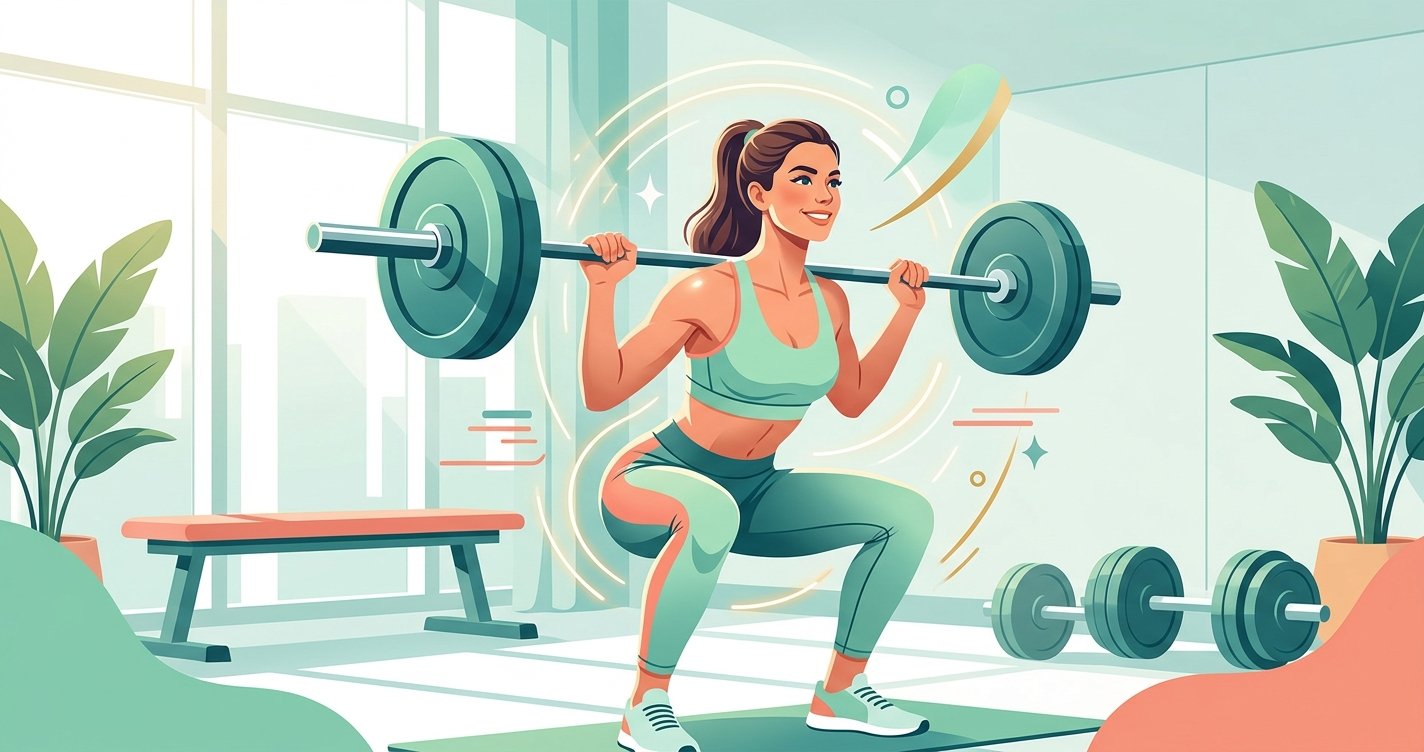
Tired of yo-yo dieting, restrictive eating, and temporary fixes? Many of us are on a quest for sustainable fat loss, but often get caught in the cycle of endless cardio and deprivation. What if there was a powerful, evidence-based approach that not only helps you shed unwanted body fat but also builds a stronger, more resilient, and more confident you? Enter strength training – your ultimate game-changer for achieving lasting fat loss and a body you love.
Forget the myth that strength training is just for bodybuilders or that cardio is the only way to burn fat. We're here to reveal how lifting weights, using resistance bands, or even just your own body weight, can fundamentally transform your body composition, boost your metabolism, and empower you on your journey to a healthier, leaner you. Let's dive into why strength training is the cornerstone of sustainable fat loss. this excellent wellness product
Why Strength Training is Your Secret Weapon for Sustainable Fat Loss
When it comes to shedding body fat, many people immediately think of treadmills, elliptical machines, or long runs. While cardiovascular exercise certainly has its place in a healthy lifestyle, strength training offers unique and often superior benefits for sustainable fat loss that are frequently overlooked. It’s not just about lifting heavy weights; it’s about transforming your body from the inside out, building a more efficient fat-burning machine.
Beyond the Scale: Building Muscle to Burn More Fat
One of the most profound benefits of strength training for fat loss is its ability to build and preserve muscle mass. Muscle is metabolically active tissue, meaning it burns more calories at rest than fat does. The more muscle you have, the higher your Basal Metabolic Rate (BMR) will be. This means you'll be burning more calories even when you're just sitting down, sleeping, or watching TV. Imagine turning your body into a 24/7 fat-burning furnace!
Furthermore, strength training creates an 'afterburn effect' known as Excess Post-exercise Oxygen Consumption (EPOC). After an intense strength workout, your body continues to burn calories at an elevated rate for hours (sometimes even days!) as it recovers and repairs muscle tissue. This sustained calorie burn significantly contributes to your overall fat loss efforts, making your workouts work harder for you long after you've left the gym.
Sculpting Your Body: The Power of Body Recomposition
Fat loss isn't just about seeing a lower number on the scale; it's about changing your body composition – the ratio of fat to muscle in your body. Strength training excels at this process, often referred to as 'body recomposition.' While you might not always see a dramatic drop in weight (because muscle is denser than fat), you'll notice a significant difference in how your clothes fit, how you look in the mirror, and how firm and toned your body feels. You'll be losing inches, gaining definition, and creating the lean, sculpted physique you desire, often without the scale reflecting the full extent of your amazing progress.
Boosting Your Metabolism, Even at Rest
As mentioned, muscle is more metabolically demanding than fat. For every pound of muscle you gain, your body burns an additional 7-10 calories per day at rest. While this might not sound like a huge number for a single pound, these calories add up significantly over time. Over a year, gaining just 5 pounds of muscle could mean burning an extra 12,775 to 18,250 calories – equivalent to losing 3.5 to 5 pounds of fat, simply by having more muscle! This metabolic boost is a key reason why strength training is so effective for long-term, sustainable fat loss, helping you maintain your results even when life gets busy.
Mental Fortitude and Long-Term Adherence
Beyond the physical benefits, strength training offers incredible mental and emotional advantages. The progressive nature of lifting weights – seeing yourself get stronger, lift heavier, or perform more reps – is incredibly empowering. This sense of accomplishment builds confidence, discipline, and a positive relationship with your body. It shifts your focus from punishment and deprivation to strength, capability, and self-improvement. This mental fortitude is crucial for long-term adherence to any fitness regimen, making strength training a truly sustainable path to a healthier lifestyle.
Getting Started: Your Strength Training Journey for Fat Loss
Ready to embrace the power of strength training? Here’s how you can safely and effectively begin your journey towards sustainable fat loss and a stronger physique, regardless of your current fitness level.
Finding Your Routine: Frequency and Structure
- For Beginners: Start with 2-3 full-body strength training sessions per week on non-consecutive days (e.g., Monday, Wednesday, Friday). This allows ample time for muscle recovery and growth.
- Focus on Compound Movements: Incorporate exercises that work multiple muscle groups simultaneously, such as squats, deadlifts (or Romanian deadlifts), lunges, push-ups, rows, and overhead presses. These are highly efficient for calorie burning and muscle building.
- Duration: Aim for 45-60 minute sessions, including a warm-up and cool-down.
Form Over Weight: Mastering the Basics
Proper form is paramount to prevent injuries and maximize effectiveness. Don't be tempted to lift too heavy too soon. Start with lighter weights or even just your body weight to perfect your technique. Watch videos, consider a session with a certified personal trainer, or use mirrors to ensure you're performing exercises correctly. Quality repetitions always trump quantity or heavy weight with poor form.
Progressive Overload: The Key to Continuous Progress
To continue building muscle and burning fat, you need to progressively challenge your muscles. This is known as 'progressive overload.' As you get stronger, you can achieve this by:
- Increasing the weight: Gradually lift heavier.
- Increasing repetitions: Do more reps with the same weight.
- Increasing sets: Add an extra set to an exercise.
- Decreasing rest time: Shorten the breaks between sets.
- Improving form: Executing the movement with better control and range of motion.
The goal is to consistently make your muscles work a little harder than they did last time.
Fueling Your Progress: Nutrition's Role in Fat Loss and Muscle Gain
No matter how hard you train, your results will be limited without proper nutrition. Think of food as the fuel for your workouts and the essential building blocks for your new, stronger body. A balanced, nutrient-dense diet is critical for both fat loss and muscle preservation.
Protein Power: Essential for Muscle Repair and Satiety
Protein is king when it comes to strength training and fat loss. It's crucial for muscle repair and growth, and it's highly satiating, helping you feel fuller for longer. Aim for 0.7-1 gram of protein per pound of your target body weight daily. Good sources include lean meats, poultry, fish, eggs, dairy, legumes, and protein supplements.
Smart Carbs and Healthy Fats: Energy for Your Workouts
Don't cut out carbs entirely! Complex carbohydrates (like whole grains, fruits, and vegetables) provide the energy you need to power through your workouts and aid in recovery. Healthy fats (from avocados, nuts, seeds, and olive oil) are vital for hormone production and overall health. Focus on whole, unprocessed foods to get the most nutritional bang for your buck.
The All-Important Calorie Deficit (Done Right)
To lose fat, you generally need to consume slightly fewer calories than your body burns. However, with strength training, this deficit needs to be managed carefully. A moderate, sustainable calorie deficit (e.g., 300-500 calories below maintenance) is ideal. Too large a deficit can lead to muscle loss and hinder your training performance. Focus on nutrient density, adequate protein, and consistent training, and the fat loss will follow.
Common Myths Debunked: Strength Training for Women and More
Despite its incredible benefits, strength training for fat loss still faces some common misconceptions. Let's clear the air.
"I Don't Want to Get Bulky"
This is perhaps the most common fear, especially among women. Rest assured, gaining significant muscle mass ('getting bulky') is incredibly difficult and requires specific training, diet, and often, hormonal factors that most women simply don't possess naturally. Women have significantly lower levels of testosterone than men, making it much harder to build large muscles. Instead, you'll achieve a lean, toned, and strong physique, not a bulky one.
"Cardio is Better for Fat Loss"
While cardio burns more calories during the actual workout, strength training provides a superior metabolic boost that extends long after your session, leading to greater overall calorie expenditure over time. For optimal fat loss and body composition, a combination of both strength training and moderate cardio is often the most effective approach. Think of strength training as the sculptor and cardio as the polisher.
Your Sustainable Path to a Stronger, Leaner You
Embracing strength training for fat loss isn't just about changing your body; it's about changing your lifestyle. It's about building confidence, discipline, and a deep appreciation for what your body can achieve. By focusing on building muscle, fueling your body intelligently, and consistently challenging yourself, you'll discover a sustainable path to not just losing fat, but also gaining strength, energy, and a profound sense of well-being.
So, step away from the endless treadmill sessions and pick up some weights. Your stronger, leaner, and more confident self is waiting. Start your strength training journey today and unlock the secret to sustainable fat loss!