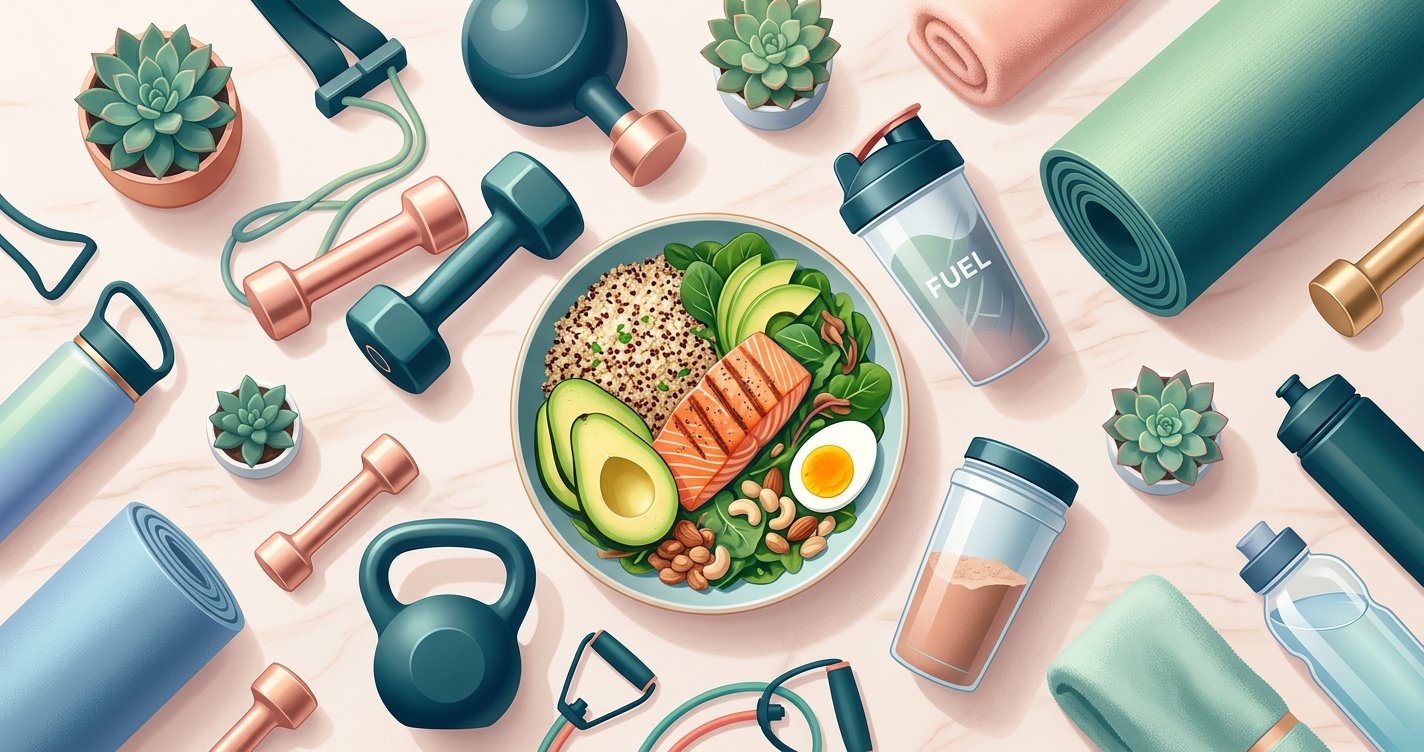
Tired of the endless cycle of restrictive diets, quick fixes, and disappointing rebounds? You’re not alone. The journey to fat loss can feel like a confusing maze, often leading to frustration rather than lasting results. But what if there was a more sustainable, empowering, and scientifically-backed path? A path that doesn’t just focus on shrinking your size, but on building a stronger, healthier, and more vibrant you?
Welcome to the world of sustainable fat loss, where the real secret isn't about deprivation, but about intelligent nourishment and strategic movement. Today, we're going to dive deep into two unsung heroes that are absolutely critical for not just losing fat, but keeping it off for good: strength training and protein intake. Forget the endless cardio and minuscule meals; these two pillars are your foundation for a truly transformative and lasting change. this excellent wellness product
Why Traditional "Dieting" Often Fails (and What to Do Instead)
Many conventional diets focus almost exclusively on calorie restriction. While creating a calorie deficit is necessary for fat loss, extreme or prolonged restriction often backfires. When you drastically cut calories without supporting your body, it goes into 'survival mode.' Your metabolism slows down, muscle tissue (which is metabolically active) can be lost along with fat, and hunger hormones go into overdrive. This metabolic adaptation makes it harder to lose weight and easier to regain it once you stop the diet.
The solution isn't to starve yourself, but to work with your body, not against it. Sustainable fat loss emphasizes a holistic approach that protects your metabolism, preserves muscle, keeps you feeling satisfied, and ultimately transforms your body composition. This is where strength training and adequate protein truly shine, offering a powerful antidote to the 'yo-yo dieting' trap.
The Unsung Hero: Strength Training for Fat Loss
When most people think of fat loss, they envision hours on the treadmill. While cardio has its place, strength training is arguably the most powerful tool in your fat loss arsenal, often overlooked or misunderstood. It's not just about building big muscles; it's about fundamentally changing how your body looks, feels, and burns energy.
More Than Just Muscle: Boosting Your Metabolism
Muscle tissue is far more metabolically active than fat tissue. This means that even at rest, your muscles burn more calories than fat. The more muscle you have, the higher your Resting Metabolic Rate (RMR) will be. Think of it this way: building muscle is like upgrading your body’s internal engine to be more fuel-efficient, burning more calories throughout the day, even when you're just sitting on the couch.
Beyond the RMR boost, strength training also provides what's known as EPOC (Excess Post-exercise Oxygen Consumption), or the "afterburn effect." After an intense strength session, your body continues to burn extra calories for hours as it recovers and repairs muscle tissue. This adds a significant metabolic advantage that steady-state cardio simply can't match.
Sculpt Your Body, Not Just Shrink It
Losing weight is one thing; transforming your body composition is another. Strength training helps you build lean muscle mass while simultaneously shedding fat. The result? A leaner, more toned, and sculpted physique that looks and feels strong, not just smaller. You'll not only fit into your clothes better, but you'll also experience increased strength, improved posture, and greater confidence in your daily life.
Practical Tips for Starting Your Strength Journey
- Start Small: You don't need to lift heavy weights on day one. Begin with bodyweight exercises (squats, lunges, push-ups) or light dumbbells to learn proper form.
- Focus on Compound Movements: Exercises that work multiple muscle groups simultaneously (e.g., squats, deadlifts, rows, overhead presses) are incredibly efficient for building strength and burning calories.
- Progressive Overload: To keep building muscle and getting stronger, you need to continually challenge your muscles. This means gradually increasing the weight, reps, sets, or decreasing rest times over time.
- Consistency is Key: Aim for 2-4 strength training sessions per week. Consistency over intensity is crucial for long-term results.
- Don't Fear the Weights: "Bulking up" is a common fear, especially for women, but it's incredibly difficult without a very specific diet and training regimen. Embrace the strength and definition!
Protein: Your Powerful Ally in the Fat Loss Battle
If strength training is your foundation, protein is the essential building block that makes everything else work. Often underestimated, adequate protein intake is a non-negotiable for effective and sustainable fat loss. It plays multiple critical roles that support your body's ability to burn fat, build muscle, and keep you feeling great.
The Satiety Superstar: Feeling Fuller, Longer
One of protein's most powerful benefits for fat loss is its incredible ability to keep you feeling full and satisfied. Compared to carbohydrates and fats, protein has a much higher satiety factor. It signals your brain that you're full, helping to regulate hunger hormones like ghrelin (the hunger hormone) and PYY (the satiety hormone). This means you're less likely to overeat, snack unnecessarily, and battle constant cravings, naturally leading to a reduction in overall calorie intake.
Protecting Your Gains: Muscle Preservation
When you're in a calorie deficit, your body looks for energy. Without enough protein, it can break down valuable muscle tissue for fuel, which, as we've learned, slows down your metabolism. Adequate protein intake is crucial for preserving that hard-earned muscle mass during fat loss, ensuring that the weight you're losing is primarily fat, not muscle. This maintains your metabolic engine and keeps you strong.
The Thermic Effect of Food (TEF): Burning More Calories Just by Eating
Did you know your body burns calories just to digest and process the food you eat? This is called the Thermic Effect of Food (TEF). Protein has the highest TEF of all macronutrients, meaning your body expends significantly more energy breaking down protein compared to carbohydrates or fats. While it won't single-handedly melt fat, this metabolic boost adds up over time, contributing to your overall calorie expenditure.
How Much Protein Do You Really Need?
For sustainable fat loss and muscle preservation, current evidence suggests a higher protein intake than the standard dietary recommendations. Aim for:
- General Guideline: 1.6 to 2.2 grams of protein per kilogram of body weight (or 0.7 to 1 gram per pound of body weight) per day.
- Spread It Out: Distribute your protein intake evenly across your meals throughout the day (e.g., 20-40 grams per meal) to maximize muscle protein synthesis and satiety.
- Excellent Protein Sources: Lean meats (chicken breast, turkey, lean beef), fish (salmon, cod, tuna), eggs, dairy products (Greek yogurt, cottage cheese), legumes (lentils, beans), and protein supplements (whey, casein, plant-based powders) are all great options.
Bringing It All Together: A Holistic Approach to Sustainable Fat Loss
While strength training and protein are fundamental, remember that they are part of a larger, holistic puzzle. Sustainable fat loss isn't just about what you do in the gym or on your plate; it's about cultivating a healthy lifestyle that supports your body and mind.
Beyond the Gym and the Plate: Lifestyle Factors
- Sleep: Adequate sleep (7-9 hours) is crucial for hormone regulation, hunger control, and recovery. Poor sleep can disrupt ghrelin and leptin, making fat loss harder.
- Stress Management: Chronic stress elevates cortisol levels, which can promote fat storage, especially around the midsection. Incorporate stress-reducing activities like meditation, yoga, or hobbies.
- Hydration: Drinking enough water supports metabolism, aids digestion, and can help with satiety.
- Consistency and Patience: Sustainable results take time. Embrace the journey, celebrate small victories, and understand that progress isn't always linear.
Mindset Matters: Cultivating a Healthy Relationship with Food and Your Body
Shift your focus from deprivation to nourishment, from punishment to empowerment. View food as fuel for your workouts and building blocks for your body. See strength training as an investment in your long-term health and vitality. Ditch the "diet" mentality and embrace a lifestyle of healthy habits that you can maintain and enjoy indefinitely. Focus on how you feel, your energy levels, and your growing strength, not just the number on the scale.
Your Journey Starts Now: Actionable Steps
Ready to ditch the frustration and embrace a sustainable path to fat loss? Here are some simple steps to get started today:
- Incorporate Strength Training: Aim for 2-3 full-body strength workouts per week. You can start with bodyweight exercises at home or join a gym.
- Prioritize Protein: Make protein the star of every meal. Calculate your target protein intake and plan your meals accordingly.
- Hydrate: Keep a water bottle handy and sip throughout the day.
- Optimize Sleep: Create a consistent sleep schedule and a relaxing bedtime routine.
- Be Patient and Persistent: Understand that true transformation takes time and consistent effort. Celebrate progress, not perfection.
Sustainable fat loss isn't about quick fixes; it's about building a stronger, healthier, and more resilient you from the inside out. By harnessing the power of strength training and prioritizing protein, you're not just losing weight – you're building a foundation for lasting health, vitality, and confidence. Embrace this empowering journey, and watch as your body transforms in ways you never thought possible. Your strongest, leanest self is waiting!