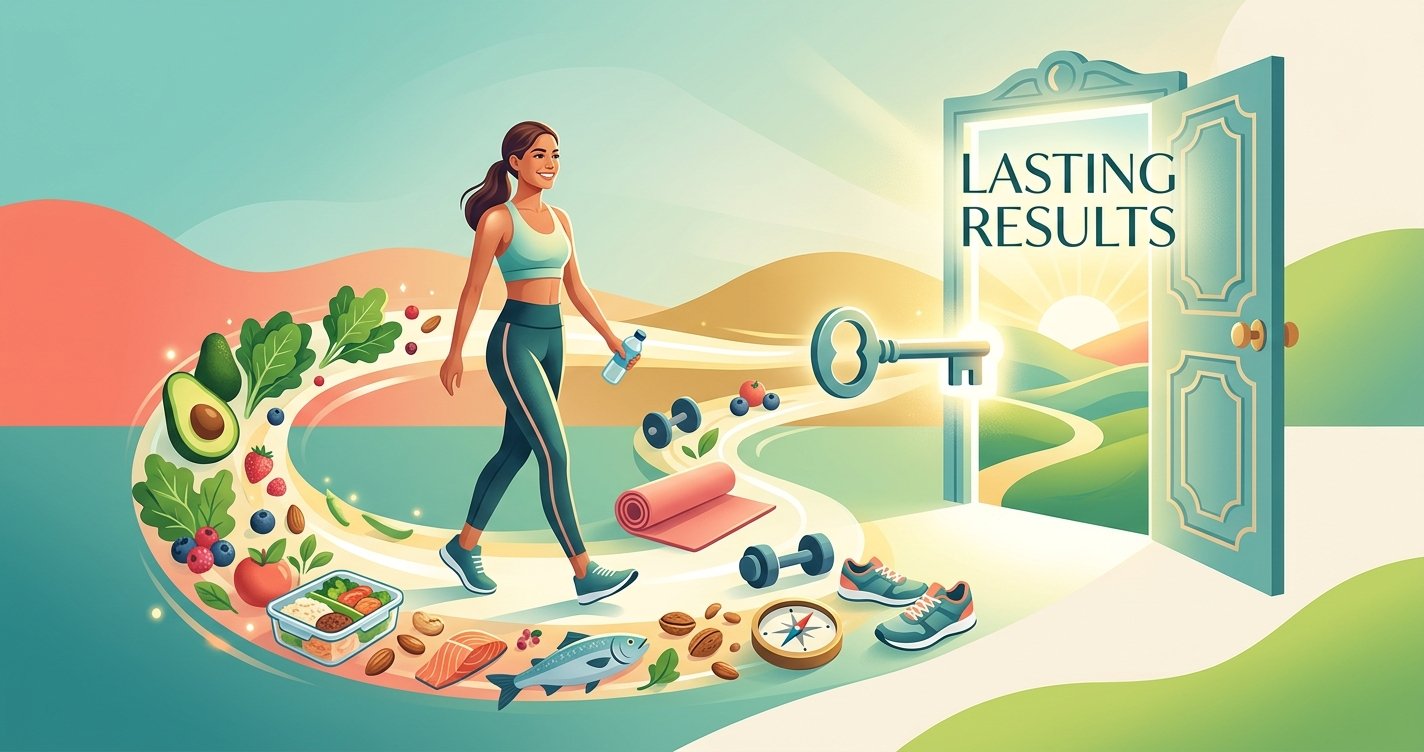
Many of us have been there: embarking on a new diet with sky-high hopes, only to find ourselves back where we started (or even further behind) a few months later. The world of fat loss is often filled with quick fixes, restrictive rules, and promises that rarely deliver long-term results. But what if there was a better way? A path that doesn't just help you shed those extra pounds, but teaches you how to keep them off for good, all while nourishing your body and enjoying your food?
Welcome to the world of sustainable nutrition for fat loss. This isn't about deprivation; it's about education, empowerment, and building habits that serve your health and happiness for a lifetime. Forget the yo-yo dieting cycle and embrace an evidence-based approach that focuses on consistency, balance, and real food. Let's dive into how you can transform your relationship with food and achieve lasting fat loss without sacrificing your well-being. this excellent wellness product
Understanding the Basics: Calories, Macronutrients, and Energy Balance
Before we talk about what to eat, let's understand why we eat and how our bodies use food for energy. This foundational knowledge is crucial for any sustainable fat loss journey.
The Calorie Deficit: The Non-Negotiable Rule
At its core, fat loss boils down to one fundamental principle: an energy deficit. This means you need to consume fewer calories than your body expends. Think of calories as units of energy. If you consistently provide your body with less energy than it needs to perform its daily functions (breathing, digesting, moving, exercising), it will start tapping into its stored energy reserves – primarily body fat – to make up the difference.
It's not about starving yourself; it's about creating a modest, consistent deficit that allows for steady, healthy fat loss (typically 1-2 pounds per week). A deficit that's too aggressive can lead to muscle loss, nutrient deficiencies, and make adherence extremely difficult. Use online calculators to estimate your Total Daily Energy Expenditure (TDEE) and aim for a deficit of 300-500 calories below that number. Remember, these are estimates, and listening to your body is key.
Macronutrients: Fueling Your Body Right
While calories are king for fat loss, where those calories come from matters immensely for your health, satiety, and body composition. Macronutrients are the three main components of food that provide energy: proteins, carbohydrates, and fats.
- Protein: Essential for building and repairing tissues, including muscle. It's also the most satiating macronutrient, meaning it helps you feel fuller for longer, which is incredibly beneficial when in a calorie deficit. Aim for 0.7-1 gram of protein per pound of body weight for optimal muscle preservation.
- Carbohydrates: Your body's primary source of energy. They fuel your brain, muscles, and workouts. Focus on complex carbohydrates from whole grains, fruits, and vegetables for sustained energy and fiber.
- Fats: Crucial for hormone production, nutrient absorption, and overall cell function. Don't fear healthy fats; they are vital! Focus on unsaturated fats from sources like avocados, nuts, seeds, and olive oil.
Striking the right balance of these macros ensures you get adequate nutrients, feel satisfied, and maintain energy levels while losing fat. A common starting point for fat loss might be 30-40% protein, 30-40% carbohydrates, and 20-30% fats, but this can be individualized based on activity level and personal preference.
Prioritizing Whole Foods: The Foundation of Sustainable Eating
While counting calories and macros can be a useful tool, the quality of your food choices forms the bedrock of sustainable fat loss. Focusing on whole, unprocessed foods naturally leads to better nutrient intake, greater satiety, and better overall health outcomes.
Lean Proteins: Your Satiety Superheroes
As mentioned, protein is a powerhouse for fat loss. It helps preserve lean muscle mass during a calorie deficit, which is vital for maintaining a healthy metabolism. Prioritize lean protein sources at every meal:
- Chicken breast, turkey, lean beef, fish (salmon, cod, tuna)
- Eggs, Greek yogurt, cottage cheese
- Legumes (lentils, beans), tofu, tempeh
Complex Carbohydrates: Energy and Fiber
Forget the myth that all carbs are bad for fat loss. The type of carbohydrate is what truly matters. Complex carbohydrates are rich in fiber, which aids digestion, stabilizes blood sugar levels, and contributes significantly to satiety.
- Whole grains: Oats, quinoa, brown rice, whole wheat bread
- Starchy vegetables: Sweet potatoes, potatoes, corn
- Fruits: Berries, apples, bananas, oranges
- Non-starchy vegetables: Broccoli, spinach, bell peppers, leafy greens (eat these in abundance!)
Healthy Fats: Essential for Health and Hormones
Fats are calorie-dense, so portion control is important, but they are absolutely essential for your health. Healthy fats support hormone production, nutrient absorption, and provide a sense of satisfaction in your meals.
- Avocados
- Nuts and seeds (almonds, walnuts, chia seeds, flax seeds)
- Olive oil, avocado oil
- Fatty fish (salmon, mackerel)
Practical Strategies for Success
Knowing what to eat is one thing; consistently implementing it into your daily life is another. These practical strategies will help bridge that gap and make your sustainable fat loss journey much smoother.
Meal Planning and Preparation: Your Secret Weapon
Fail to plan, plan to fail. This adage holds true for sustainable nutrition. Dedicate some time each week (e.g., Sunday afternoon) to:
- Plan your meals: Decide what you'll eat for breakfast, lunch, dinner, and snacks.
- Create a grocery list: Stick to it to avoid impulse buys of less healthy items.
- Batch cook: Prepare larger quantities of staples like cooked chicken, roasted vegetables, or whole grains. This saves time and ensures healthy options are always available.
- Portion out meals: Use containers to pre-portion meals for grab-and-go convenience.
Portion Control: Mindful Eating, Not Restriction
Understanding appropriate portion sizes is critical, especially when you're not strictly tracking every gram. Instead of feeling restricted, practice mindful eating:
- Use smaller plates: It's a simple psychological trick that makes meals appear larger.
- Listen to your body's hunger cues: Eat when you're hungry, stop when you're satisfied, not stuffed.
- Eat slowly: Savor your food. It takes about 20 minutes for your brain to register fullness.
- Visualize portions: A deck of cards for protein, a cupped hand for carbs, a thumb for fats.
Hydration: Often Overlooked, Always Important
Water isn't just for thirst; it plays a vital role in metabolism, nutrient transport, and even satiety. Often, what we perceive as hunger is actually thirst.
- Aim for 2-3 liters of water per day, more if you're active.
- Keep a water bottle handy.
- Start your day with a glass of water.
- Drink water before meals to help with satiety.
Beyond the Plate: Lifestyle Factors
While nutrition is paramount for fat loss, it doesn't operate in a vacuum. Other lifestyle factors significantly impact your body's ability to shed fat and maintain a healthy weight.
Sleep and Stress Management
Lack of sleep and chronic stress can sabotage even the best nutrition plans.
- Sleep: Insufficient sleep disrupts hormones that regulate hunger (ghrelin) and satiety (leptin), leading to increased cravings and poor food choices. Aim for 7-9 hours of quality sleep per night.
- Stress: Chronic stress elevates cortisol levels, which can promote fat storage (especially around the belly) and increase emotional eating. Incorporate stress-reducing activities like meditation, yoga, deep breathing, or spending time in nature.
The Role of Physical Activity
While this post focuses heavily on nutrition, it's impossible to ignore the complementary power of physical activity. Exercise, especially strength training, helps preserve muscle mass during fat loss, boosts metabolism, improves mood, and enhances overall health. Find activities you enjoy and make them a consistent part of your routine. Aim for a mix of strength training and cardiovascular exercise.
Building Sustainable Habits for Life
True fat loss success isn't about a temporary diet; it's about adopting a lifestyle that you can maintain indefinitely. This requires flexibility, self-compassion, and an ongoing learning mindset.
Flexibility Over Rigidity
No one eats perfectly all the time, and trying to can lead to burnout and rebound overeating. Embrace the 80/20 rule: aim for nutrient-dense, whole foods 80% of the time, and allow for some flexibility and treats 20% of the time. This approach makes your eating plan enjoyable and sustainable, preventing feelings of deprivation. Don't let one "slip-up" derail your entire week; simply get back on track with your next meal.
Listening to Your Body and Mindful Eating
Reconnecting with your body's natural hunger and fullness cues is a powerful tool for sustainable fat loss. Instead of relying solely on external rules, learn to trust your internal signals.
- Before you eat, ask yourself: Am I truly hungry, or am I bored, stressed, or thirsty?
- During your meal, pay attention to the taste, texture, and aroma of your food.
- Stop eating when you feel comfortably satisfied, not uncomfortably full.
This mindful approach fosters a healthier relationship with food, moving away from emotional eating and towards intentional nourishment.
Achieving lasting fat loss isn't about quick fixes or extreme diets; it's about making informed, sustainable choices that nourish your body and mind. By understanding the basics of energy balance, prioritizing whole foods, implementing practical strategies like meal planning and portion control, and integrating healthy lifestyle habits, you can break free from the cycle of yo-yo dieting.
Remember, this is a journey, not a destination. There will be good days and challenging days, but consistency, patience, and self-compassion are your most powerful allies. Embrace this evidence-based, friendly, and encouraging approach to nutrition, and you'll not only achieve your fat loss goals but also build a foundation for lifelong health and well-being. Your body deserves sustainable care, and you deserve lasting results. Start today, one conscious choice at a time!