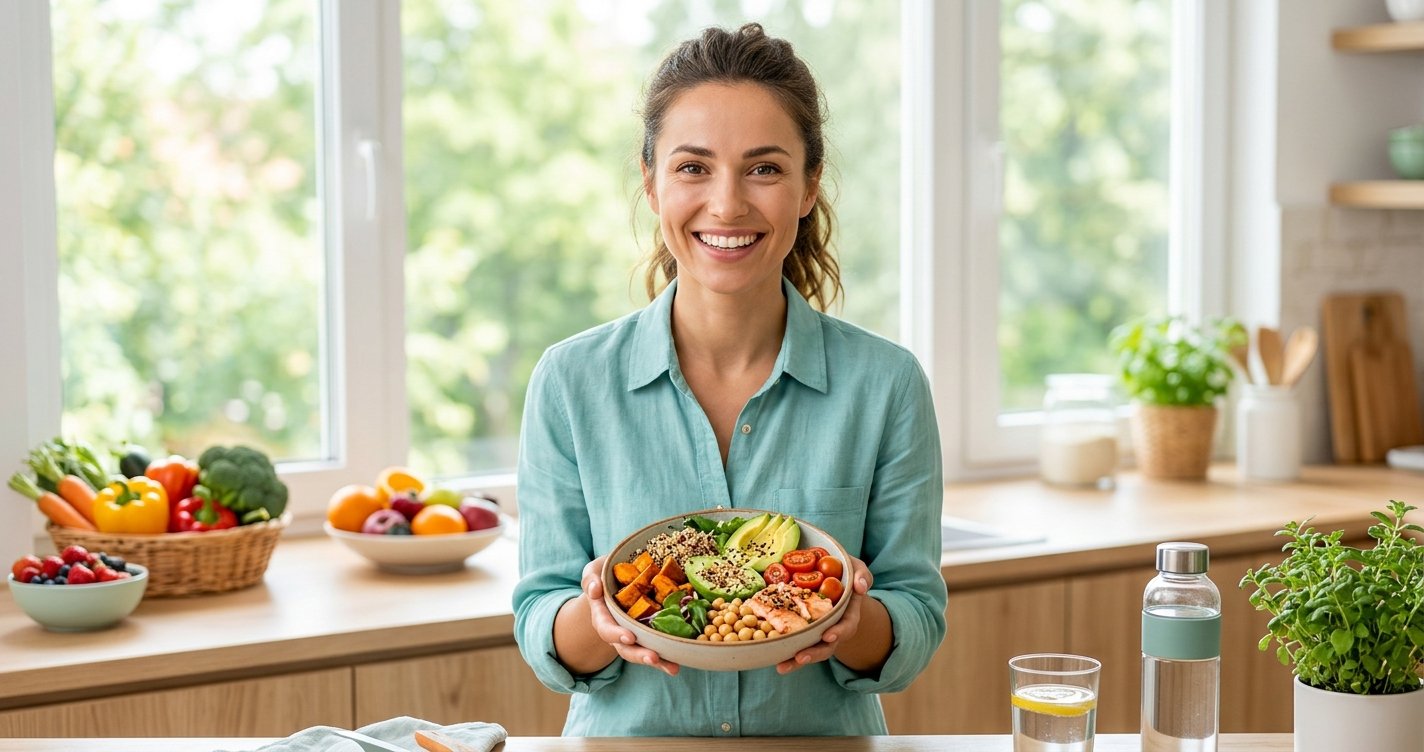
Unlock Lasting Results: Your Guide to Sustainable Nutrition for Fat Loss
Are you tired of the endless cycle of crash diets, rapid weight loss, and then, inevitably, gaining it all back – sometimes even more? You're not alone. The world of fat loss is often dominated by quick fixes, extreme restrictions, and promises that sound too good to be true (because they usually are!). But what if there was a better way? A way to achieve healthy, lasting fat loss without feeling deprived, constantly hungry, or completely sacrificing your social life?
The secret lies in sustainable nutrition for fat loss. This isn't about a temporary diet; it's about building habits and making food choices that nourish your body, support your energy levels, and gently guide you towards your goals, all while being enjoyable and maintainable for the long haul. Let's ditch the fads and explore an evidence-based, friendly approach to truly transform your relationship with food and your body. this excellent wellness product
Why Quick Fixes Fail: Understanding the Cycle
Before we dive into what works, let's briefly touch upon why the 'quick fix' model so often falls short. Extreme calorie restriction or cutting out entire food groups might lead to initial rapid weight loss. However, this is often due to water loss and muscle breakdown, not just fat. More importantly, these approaches are rarely sustainable. They lead to:
- Increased hunger and cravings: Your body fights back against severe restriction.
- Nutrient deficiencies: Limiting food groups can mean missing out on vital vitamins and minerals.
- Metabolic slowdown: Prolonged, severe dieting can impact your metabolism.
- Poor relationship with food: Viewing food as the enemy rather than fuel.
- The dreaded 'yo-yo effect': Once the diet ends, old habits return, and the weight comes back, often with interest.
Sustainable nutrition, on the other hand, focuses on gradual, consistent changes that you can stick with for life. It's about progress, not perfection.
The Foundation: Calorie Awareness, Not Obsession
At its core, fat loss requires a calorie deficit – consuming slightly fewer calories than your body burns. Think of it like a budget: to spend less than you earn, you need to be aware of your income and expenses. However, 'calorie awareness' doesn't mean meticulously tracking every single bite for the rest of your life. It means understanding which foods are calorie-dense versus nutrient-dense and making informed choices.
- Find your baseline: Use an online calculator (search for TDEE calculator) to estimate your daily calorie needs for maintenance.
- Aim for a moderate deficit: For sustainable fat loss, a deficit of 300-500 calories per day is generally recommended. This allows for steady fat loss (about 0.5-1 pound per week) without extreme hunger or energy crashes.
- Focus on satiety: Choose foods that keep you feeling full and satisfied on fewer calories. This is where the magic of whole, unprocessed foods comes in!
Prioritize Protein: Your Satiety Superstar
If there's one macronutrient you should prioritize for fat loss, it's protein. Protein is incredibly satiating, meaning it helps you feel fuller for longer, which can naturally reduce overall calorie intake. It also has a higher thermic effect of food (TEF), meaning your body burns more calories digesting protein than carbs or fats. Crucially, adequate protein intake helps preserve muscle mass during a calorie deficit, which is vital for maintaining a healthy metabolism.
Aim for: 20-30 grams of protein per meal, or roughly 0.7-1 gram per pound of your target body weight daily.
Great sources: Lean meats (chicken breast, turkey, lean beef), fish, eggs, Greek yogurt, cottage cheese, tofu, lentils, beans, protein powder.
Embrace Whole Foods: Fueling Your Body Right
While a calorie deficit is key, the *quality* of those calories profoundly impacts your energy, hunger, and overall health. Whole, unprocessed foods are your best friends on a sustainable fat loss journey.
These foods are rich in fiber, vitamins, and minerals, which support bodily functions and promote satiety. Compare a handful of potato chips to a large baked potato with lean protein and veggies – the latter offers far more nutrients and lasting fullness for a similar or even lower calorie count.
Focus on building your plate around:
- Lean Proteins: As mentioned above.
- Plenty of Vegetables: Non-starchy vegetables (leafy greens, broccoli, bell peppers) are incredibly low in calories, high in fiber, and packed with nutrients. Eat them generously!
- Fruits: Nature's candy, offering fiber and essential vitamins.
- Whole Grains: Oats, quinoa, brown rice, whole-wheat bread provide sustained energy and fiber.
Don't Fear Healthy Fats & Smart Carbs
Often, diets demonize fats or carbs entirely. However, both are essential for your health and can be part of a successful fat loss plan when chosen wisely and consumed in moderation.
- Healthy Fats: Crucial for hormone production, nutrient absorption, and satiety. Think avocados, nuts, seeds, olive oil, and fatty fish. These are calorie-dense, so portion control is key, but don't cut them out!
- Smart Carbs: Focus on complex carbohydrates from whole grains, fruits, and vegetables. These provide sustained energy and fiber. Limit highly refined sugars and processed grains, which offer quick energy spikes followed by crashes and lack nutritional value.
Beyond the Plate: Lifestyle Habits for Success
Sustainable fat loss isn't just about what you eat; it's about how you live. Incorporating healthy lifestyle habits can significantly amplify your efforts and make the journey more enjoyable.
Hydration, Sleep, and Stress Management
- Stay Hydrated: Drinking plenty of water can help with satiety, prevent mistaking thirst for hunger, and support metabolic functions. Aim for 8 glasses or more daily.
- Prioritize Sleep: Lack of sleep can disrupt hunger-regulating hormones (ghrelin and leptin), making you hungrier and more prone to cravings for unhealthy foods. Aim for 7-9 hours of quality sleep per night.
- Manage Stress: Chronic stress can lead to increased cortisol levels, which is linked to belly fat storage and emotional eating. Find healthy ways to cope with stress, such as meditation, yoga, spending time in nature, or hobbies you enjoy.
These three pillars often get overlooked, but their impact on your ability to lose fat and maintain it is profound.
Mindset Matters: Cultivating Patience and Consistency
This journey isn't a sprint; it's a marathon. Expecting immediate, dramatic results can lead to frustration and giving up. Embrace the process, celebrate small victories, and understand that plateaus are normal.
- Be Patient: Sustainable fat loss takes time. Focus on building habits you can stick with for months and years, not just weeks.
- Be Consistent: Small, consistent efforts compound over time. A few healthy choices every day add up.
- Practice Mindful Eating: Pay attention to your body's hunger and fullness cues. Eat slowly, savor your food, and avoid distractions. This helps you recognize when you're truly satisfied.
- Learn from Setbacks: Don't let one 'bad' meal derail your entire week. Acknowledge it, learn from it, and get back on track with your next meal. There's no such thing as perfection, only progress.
Your Path to Lasting Fat Loss
Embracing sustainable nutrition for fat loss means moving away from deprivation and towards empowerment. It's about making informed choices that nourish your body, respect your hunger, and fit into your real life. By focusing on whole foods, prioritizing protein, managing your calories moderately, and integrating healthy lifestyle habits, you're not just losing weight; you're building a healthier, happier, and more sustainable relationship with food and yourself.
Start small, be consistent, and trust the process. Your body will thank you for it, and you'll finally achieve the lasting results you've been searching for.