Introduction: The Quest for Lasting Fat Loss
In a world obsessed with instant gratification, it’s no surprise that quick-fix diets and extreme weight loss challenges dominate our feeds. We’re constantly bombarded with promises of shedding pounds in mere weeks, often through highly restrictive and unsustainable methods. While the initial results can be enticing, the harsh reality for most is a frustrating cycle of loss, regain, and often, a damaged relationship with food and their bodies.
But what if there was a better way? A path to fat loss that doesn't involve deprivation or drastic measures, but rather focuses on building healthy, sustainable habits for life? This isn't about dieting; it's about intelligent nutrition and lifestyle adjustments that genuinely work for the long haul. In this guide, we'll dive into evidence-based strategies to help you achieve lasting fat loss, transforming your approach to food from a battle to a powerful ally. this excellent wellness product
Why Quick Fixes Fail: Breaking the Diet Cycle
The allure of rapid weight loss is powerful, but the science is clear: extreme diets rarely lead to sustainable results. When you drastically cut calories, your body often perceives it as a famine. This triggers a cascade of adaptive responses:
- Metabolic Slowdown: Your metabolism can slow down to conserve energy, making it harder to lose fat.
- Muscle Loss: Without adequate protein and resistance training, a significant portion of the weight lost can be muscle, which is metabolically active and crucial for long-term health.
- Hormonal Dysregulation: Hormones like leptin (satiety hormone) and ghrelin (hunger hormone) can become imbalanced, leading to increased cravings and hunger.
- Psychological Burnout: Extreme restriction is mentally exhausting, often leading to rebound eating and feelings of failure.
Understanding this cycle is the first step towards breaking free. Our goal isn't just to lose weight, but to lose fat in a way that supports your health, energy, and overall well-being, creating habits you can comfortably maintain forever.
The Foundation: Understanding Your Calorie Deficit (Without Starvation!)
At its core, fat loss boils down to one fundamental principle: consuming fewer calories than your body expends. This is known as a calorie deficit. However, the key to sustainable fat loss isn't about starving yourself; it's about creating a *moderate* and manageable deficit that your body can adapt to without triggering extreme compensatory mechanisms.
A good starting point for a sustainable deficit is typically 300-500 calories below your daily maintenance level. This allows for steady fat loss (around 0.5-1 pound per week) while preserving muscle mass, maintaining energy levels, and avoiding the severe metabolic slowdown associated with more aggressive cuts. Tools like online TDEE (Total Daily Energy Expenditure) calculators can provide an estimate of your maintenance calories, but remember these are just starting points. Listening to your body and tracking your progress are crucial.
Your Nutritional Powerhouses: Protein, Fiber, and Healthy Fats
While a calorie deficit is essential, the *quality* of those calories is equally important. Focusing on nutrient-dense foods will keep you feeling full, energized, and nourished throughout your fat loss journey.
The Protein Advantage: Satiety and Muscle Preservation
Protein is your best friend when it comes to fat loss. It’s the most satiating macronutrient, meaning it keeps you feeling fuller for longer, reducing the urge to snack. Crucially, adequate protein intake is vital for preserving lean muscle mass during a calorie deficit. Muscle burns more calories at rest than fat, so maintaining it is key for a healthy metabolism.
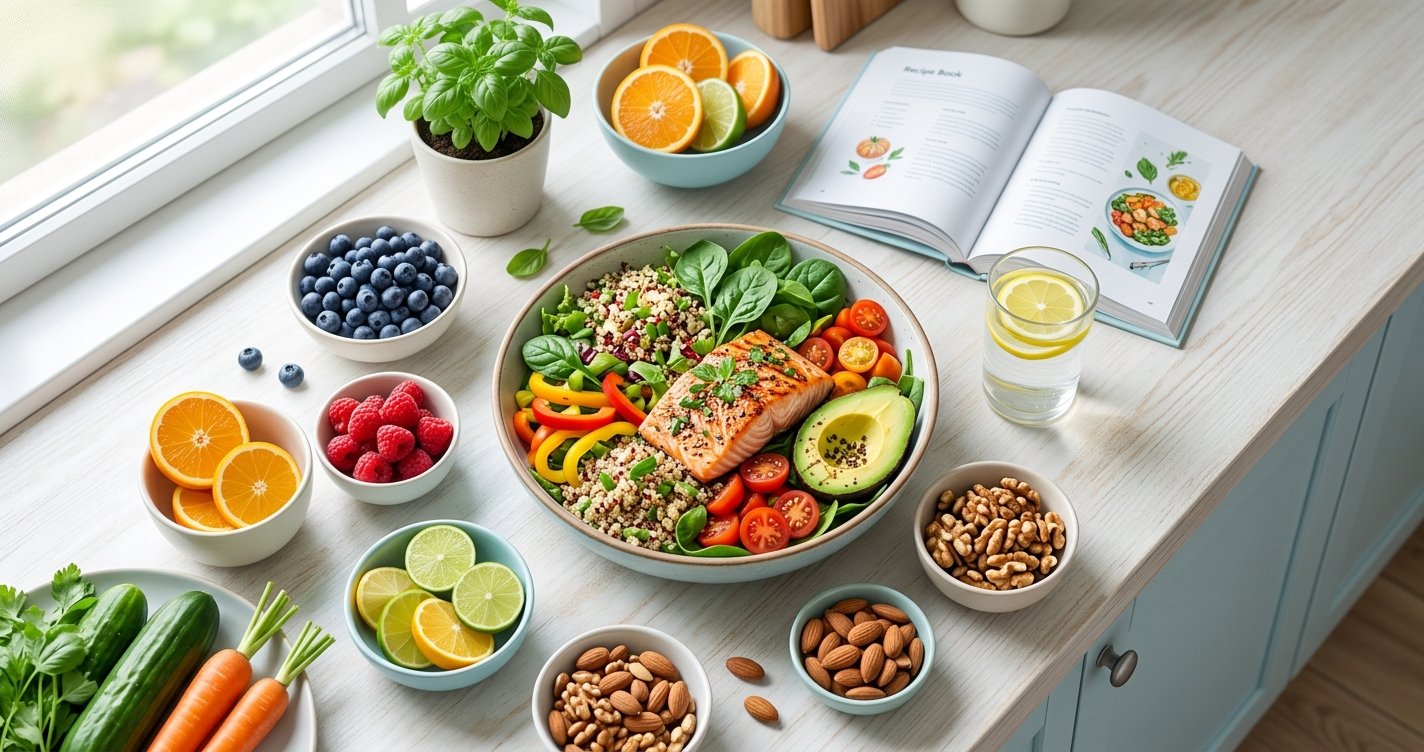
- Examples: Lean meats (chicken, turkey, beef), fish, eggs, Greek yogurt, cottage cheese, legumes (beans, lentils), tofu, tempeh, protein powder.
Fiber for Fullness and Gut Health
Fiber, particularly soluble fiber, is another powerful tool for satiety. It absorbs water in your digestive tract, forming a gel-like substance that slows digestion, helps regulate blood sugar, and keeps you feeling full. Beyond satiety, fiber is essential for a healthy gut microbiome, which plays a role in metabolism and overall health.
- Examples: Whole grains (oats, quinoa, brown rice), fruits (berries, apples, pears), vegetables (broccoli, spinach, carrots), legumes, nuts, seeds.
Don't Fear the Fat: Essential for Health and Satiety
Despite past misconceptions, healthy fats are crucial for overall health, hormone production, and even satiety. They slow down digestion, contributing to a feeling of fullness. However, fats are calorie-dense, so moderation is key, especially during a calorie deficit. Focus on unsaturated fats and limit saturated and trans fats.
- Examples: Avocados, nuts (almonds, walnuts), seeds (chia, flax, pumpkin), olive oil, fatty fish (salmon, mackerel).
Smart Carb Choices: Fueling Your Body Wisely
Carbohydrates often get a bad rap in the fat loss world, but they are your body’s primary source of energy. The key is to choose the right kind of carbohydrates: complex, whole-food sources over refined, processed options.
Complex carbohydrates, found in whole grains, fruits, and vegetables, are rich in fiber and nutrients. They are digested slowly, providing a sustained release of energy and preventing sharp spikes and crashes in blood sugar that can lead to cravings. Refined carbohydrates (white bread, sugary drinks, pastries) offer little nutritional value, cause rapid blood sugar fluctuations, and contribute to energy crashes and increased hunger.
- Focus On: Whole oats, quinoa, brown rice, sweet potatoes, whole-wheat bread, all types of fruits and vegetables.
- Limit: Sugary cereals, white pasta, white bread, sodas, candies, cakes.
Beyond the Plate: Mindful Eating and Lifestyle Habits
Sustainable fat loss isn't just about what you eat, but also *how* you eat and how you live your life. Incorporating mindful eating practices and optimizing lifestyle factors can significantly impact your success.
Mindful Eating: Savoring Every Bite
Mindful eating involves paying full attention to your food, from preparation to digestion. This means eating slowly, savoring flavors, and truly listening to your body’s hunger and fullness cues. Often, we eat out of habit, boredom, or stress, rather than true hunger. Practicing mindfulness can help you:
- Recognize true hunger and satiety signals.
- Reduce overeating and emotional eating.
- Enhance your enjoyment of food.
Hydration is Key
Water is often overlooked, but it plays a critical role in metabolism and satiety. Sometimes, thirst can be mistaken for hunger. Drinking enough water throughout the day can help you feel fuller, support metabolic processes, and ensure your body functions optimally.
Prioritize Sleep and Manage Stress
The impact of sleep and stress on fat loss cannot be overstated. Chronic sleep deprivation and high stress levels can disrupt hormones like cortisol, ghrelin, and leptin, leading to increased cravings, particularly for high-calorie foods, and promoting fat storage around the midsection. Prioritize 7-9 hours of quality sleep and find effective ways to manage stress, whether through meditation, exercise, or spending time in nature.
Building Sustainable Habits: Consistency Over Perfection
The journey to lasting fat loss is a marathon, not a sprint. It’s about making small, consistent changes that accumulate over time. Don't aim for perfection; aim for consistency. There will be days when you veer off track, and that's perfectly normal. The key is to learn from these moments, get back on track with your next meal, and avoid letting a single misstep derail your entire progress.
Focus on progress, not perfection. Celebrate small victories, be patient with yourself, and remember that every healthy choice you make is a step towards a stronger, healthier, and happier you. Sustainable fat loss is about building a lifestyle that you love, one that nourishes your body and mind, and empowers you to live life to its fullest.
Conclusion: Your Empowered Path to Lasting Health
Embarking on a journey to sustainable fat loss is a powerful act of self-care. By moving beyond the fleeting promises of quick fixes and embracing evidence-based nutrition strategies, mindful eating, and supportive lifestyle habits, you’re not just losing weight – you’re building a foundation for lifelong health and vitality. Remember, this is your unique journey. Be patient, be persistent, and most importantly, be kind to yourself. With these tools, you have everything you need to transform your relationship with food, achieve your fat loss goals, and maintain them for good.