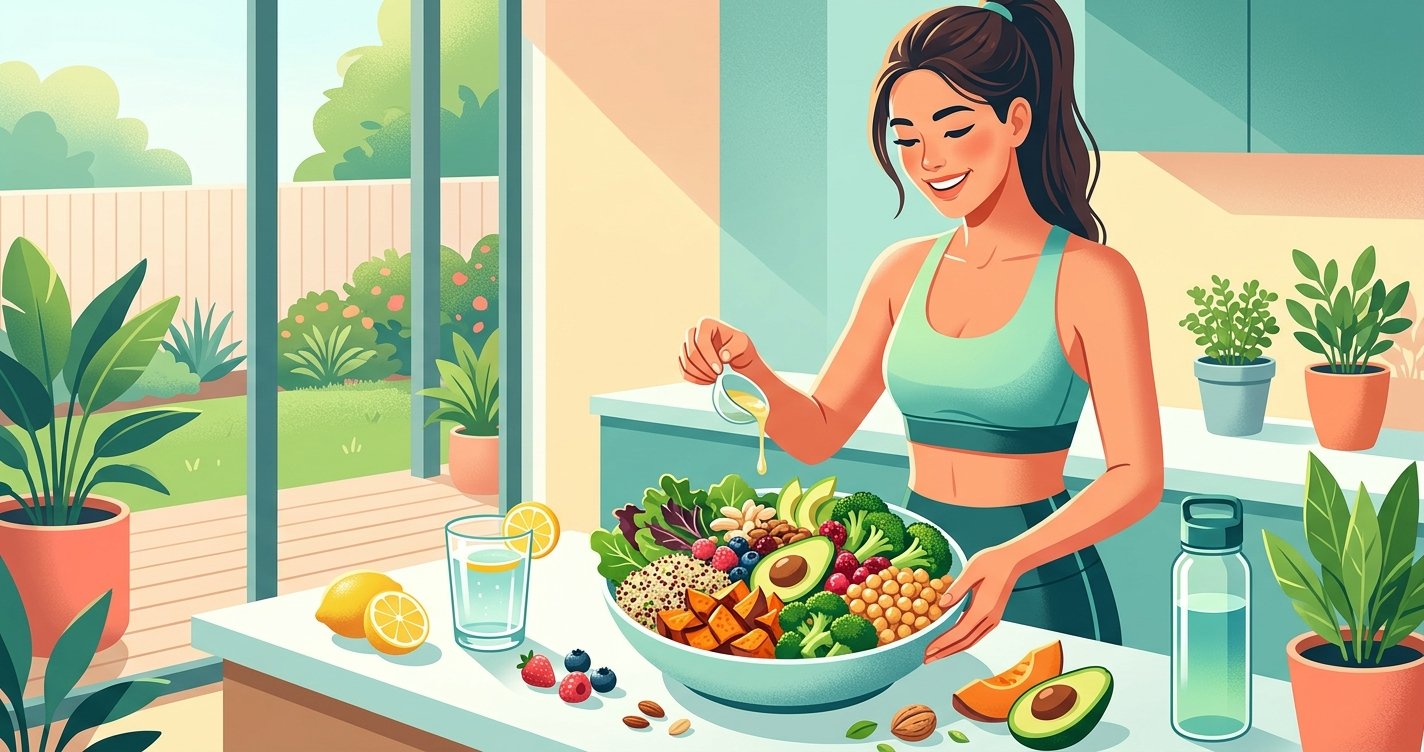
Embarking on a fat loss journey can feel overwhelming, with countless diets and conflicting advice flooding our feeds. But what if we told you the secret to lasting success isn't about extreme restriction or temporary fixes, but rather about building sustainable nutrition habits that nourish your body and mind for the long haul? Forget the fads; it's time to embrace a friendly, evidence-based approach that empowers you to achieve your fat loss goals and maintain them for life.
This isn't about deprivation; it's about education, empowerment, and enjoying delicious food while optimizing your body composition. We'll explore practical, actionable strategies that focus on consistency, balance, and understanding how food truly impacts your body. this excellent wellness product
Understanding the Basics: Calorie Deficit, Not Deprivation
At its core, fat loss hinges on one fundamental principle: consuming fewer calories than your body expends. This is known as a calorie deficit. However, the key to sustainability lies in creating this deficit intelligently, without feeling constantly hungry or deprived.
The Energy Balance Equation
Your body needs a certain amount of energy (calories) each day to perform its basic functions, like breathing and circulating blood, and to fuel physical activity. When you eat more calories than you burn, your body stores the excess, often as fat. When you consistently eat slightly fewer calories than you burn, your body taps into its stored fat for energy, leading to fat loss.
The goal isn't to slash calories drastically, which can slow your metabolism and lead to muscle loss. Instead, aim for a moderate, consistent deficit (e.g., 300-500 calories below your maintenance level) that you can comfortably maintain over time. This approach promotes steady, healthy fat loss while preserving muscle mass.
Why Extreme Restriction Backfires
Crash diets and severe calorie restriction might offer quick initial results, but they are rarely sustainable. They often lead to nutrient deficiencies, intense cravings, a slowed metabolism, and ultimately, a rebound effect where lost weight is regained, often with extra. Our approach focuses on fueling your body adequately while still achieving a deficit, making the process enjoyable and maintainable.
The Power of Protein: Your Satiety Ally
If there's one macronutrient that deserves a spotlight in sustainable fat loss, it's protein. Protein is incredibly satiating, meaning it helps you feel fuller for longer, reducing the likelihood of overeating. It also has a higher thermic effect of food (TEF) than carbs or fats, meaning your body burns more calories digesting protein.
- Increased Satiety: Protein signals to your brain that you're full, helping to curb cravings and reduce overall calorie intake.
- Muscle Preservation: Adequate protein intake is crucial for preserving lean muscle mass during a calorie deficit. Muscle is metabolically active, meaning it burns more calories at rest than fat, so maintaining it is key for long-term success.
- Metabolic Boost: As mentioned, protein requires more energy to digest and metabolize, giving your metabolism a slight boost.
Aim for a protein intake of 0.7-1 gram per pound of body weight (or target body weight) spread throughout your meals. Excellent sources include lean meats, poultry, fish, eggs, dairy, legumes, and plant-based protein powders.
Embrace Whole Foods: Fiber, Nutrients, and Fullness
Shifting your focus from highly processed foods to whole, unprocessed options is a game-changer for sustainable fat loss. Whole foods are naturally rich in essential nutrients, vitamins, minerals, and, crucially, fiber.
The Magic of Fiber
Fiber is a type of carbohydrate that your body can't digest. It passes through your digestive system relatively intact, offering a wealth of benefits for fat loss and overall health:
- Enhanced Satiety: Fiber adds bulk to your meals, making you feel fuller and more satisfied without adding extra calories.
- Blood Sugar Control: Soluble fiber helps slow the absorption of sugar, preventing sharp spikes and crashes in blood glucose levels, which can lead to cravings.
- Improved Digestion: Insoluble fiber promotes regularity and a healthy gut microbiome, which is increasingly linked to weight management.
Prioritize fiber-rich foods like fruits, vegetables, whole grains (oats, quinoa, brown rice), legumes (beans, lentils), nuts, and seeds. These foods are also packed with micronutrients that support overall health and energy levels.
Ditching Ultra-Processed Foods
Ultra-processed foods (UPFs) are often high in refined sugars, unhealthy fats, and artificial additives, while being low in fiber and essential nutrients. They are typically designed to be hyper-palatable, making it easy to overeat them. Reducing your intake of UPFs and replacing them with whole foods is one of the most impactful steps you can take for sustainable fat loss.
Smart Carb Choices: Fueling Your Body Wisely
Carbohydrates have often been demonized in the world of fat loss, but they are an essential macronutrient that provides energy for your body and brain. The key is making smart, informed choices.
Focus on complex carbohydrates, which are rich in fiber and nutrients, and provide a steady release of energy. Examples include:
- Whole grains (oats, quinoa, brown rice, whole-wheat bread)
- Starchy vegetables (sweet potatoes, squash, corn)
- Legumes (beans, lentils)
Limit refined carbohydrates like white bread, pastries, sugary drinks, and candies. These offer little nutritional value, cause rapid blood sugar spikes, and can contribute to increased fat storage.
Healthy Fats: Essential for Health, Not Your Enemy
Just like carbohydrates, fats have often been misunderstood. Healthy fats are vital for hormone production, nutrient absorption, brain health, and, yes, even fat loss. They also contribute to satiety.
Incorporate sources of healthy fats into your diet in moderation:
- Avocados
- Nuts and seeds (almonds, walnuts, chia seeds, flaxseeds)
- Olive oil and other healthy cooking oils
- Fatty fish (salmon, mackerel, sardines)
While healthy, fats are calorie-dense, so portion control is still important. A small amount goes a long way in providing flavor and satisfaction.
Hydration and Mindful Eating: Often Overlooked, Always Important
These two pillars might seem simple, but their impact on sustainable fat loss is profound.
Drink Up!
Water is crucial for countless bodily functions, including metabolism. Sometimes, our bodies confuse thirst signals with hunger. Staying well-hydrated can help reduce unnecessary snacking and keeps your metabolism humming.
Aim for at least 8 glasses of water a day, and even more if you're active. Herbal teas and sparkling water are also great options.
Listen to Your Body
Mindful eating involves paying attention to your body's hunger and fullness cues, eating slowly, and savoring your food. It helps you recognize when you're truly hungry versus just bored or stressed, and when you've had enough to eat.
- Eat slowly and chew thoroughly.
- Put your fork down between bites.
- Pay attention to the taste, texture, and smell of your food.
- Stop eating when you feel satisfied, not stuffed.
This practice can significantly reduce overeating and foster a healthier relationship with food.
Consistency Over Perfection: The Long Game
Sustainable fat loss is not about being perfect every day; it's about being consistent most days. Life happens, and there will be times when you deviate from your plan. The key is to acknowledge it, learn from it, and get back on track without guilt or self-punishment.
Focus on making small, manageable changes that you can stick with for the long term. These small changes accumulate over time to create significant, lasting results. Celebrate your progress, learn from your setbacks, and remember that every healthy choice moves you closer to your goals.
By embracing these evidence-based nutrition strategies – focusing on a moderate calorie deficit, prioritizing protein and fiber-rich whole foods, making smart carb and fat choices, staying hydrated, and practicing mindful eating – you're not just losing fat; you're building a healthier, more vibrant future. This is your journey to sustainable health and lasting success. You've got this!