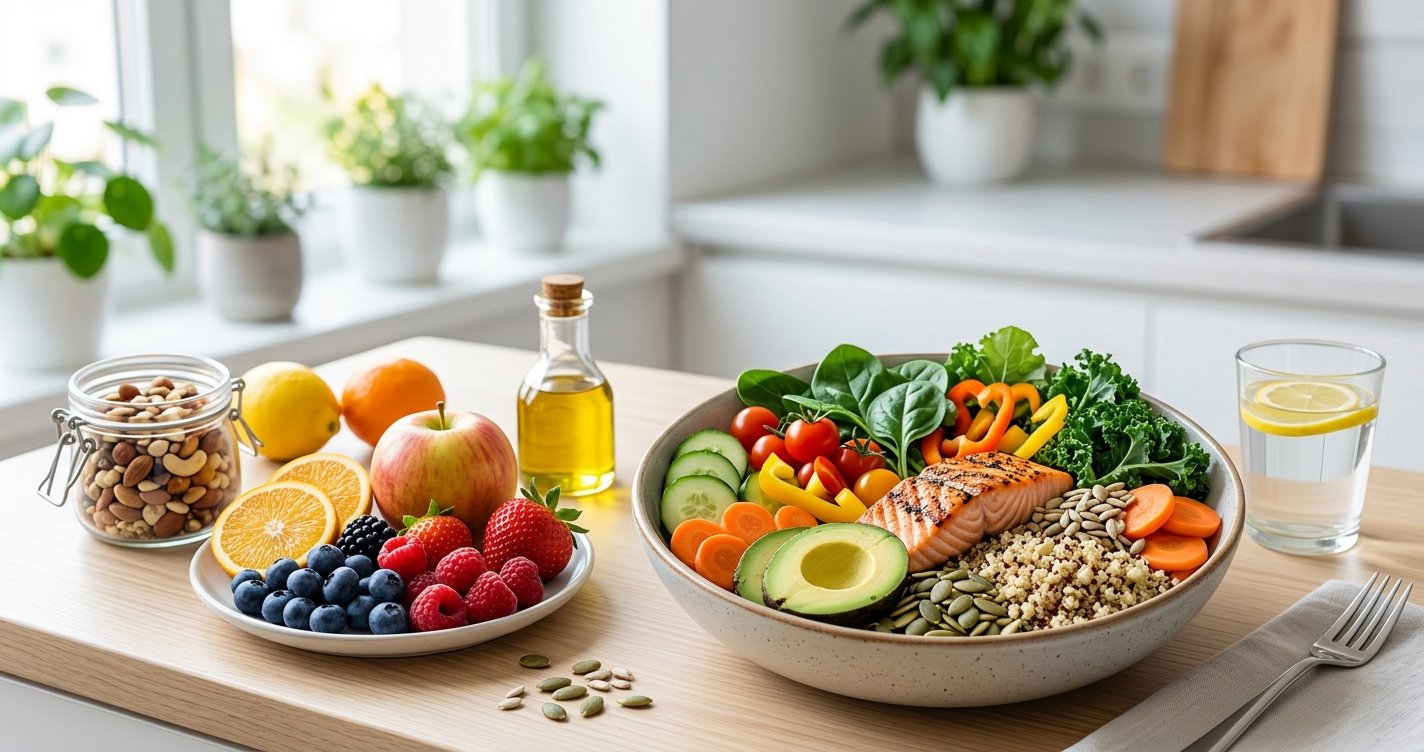
Beyond Crash Diets: Your Ultimate Guide to Sustainable Nutrition for Lasting Fat Loss
Are you tired of the endless cycle of crash diets, restrictive eating, and the frustrating ‘yo-yo’ effect? You're not alone. Many people embark on a fat loss journey with enthusiasm, only to be derailed by unsustainable methods that promise quick fixes but deliver long-term disappointment. The truth is, genuine, lasting fat loss isn't about deprivation; it's about building sustainable habits and understanding how to nourish your body effectively.
This isn't another fad diet manifesto. Instead, we're going to dive deep into evidence-based nutrition strategies that empower you to lose fat, keep it off, and feel fantastic – without sacrificing your love for food or your sanity. Get ready to transform your relationship with eating and unlock a healthier, happier you, one mindful bite at a time. Let's build a foundation for success that lasts a lifetime! this excellent wellness product
The Foundation: Understanding Calorie Deficit (Without Starvation!)
At its core, fat loss boils down to a simple principle: consuming fewer calories than your body expends. This is known as creating a calorie deficit. While straightforward, the execution is where many go wrong, often opting for extreme restriction that is neither healthy nor sustainable.
Think of it like balancing a budget. To save money (lose fat), you need to spend less than you earn. Your body 'earns' calories through food and 'spends' them through basic bodily functions (breathing, circulation), digestion, and physical activity. A moderate deficit – typically 300-500 calories below your maintenance level – is key. This allows for steady fat loss (around 1-2 pounds per week) without triggering your body's survival mechanisms that can hinder progress.
Why Extreme Restriction Backfires
- Metabolic Adaptation: When you drastically cut calories, your body perceives it as a famine and slows down your metabolism to conserve energy. This makes it harder to lose fat and easier to regain it later.
- Muscle Loss: Severe calorie restriction often leads to the loss of precious muscle mass along with fat. Muscle is metabolically active, meaning it burns more calories at rest. Losing muscle can further slow your metabolism.
- Cravings & Rebound: Extreme hunger inevitably leads to intense cravings, often resulting in binge eating and a return to old habits, creating the notorious 'yo-yo' effect.
- Nutrient Deficiencies: Limiting food choices too much can lead to inadequate intake of essential vitamins and minerals, impacting energy, mood, and overall health.
Macro Magic: Fueling Your Body for Fat Loss
While calories are king for fat loss, the composition of those calories – your macronutrients – plays a crucial role in how you feel, how much muscle you retain, and how satisfied you are. Macronutrients are protein, carbohydrates, and fats, and each has a unique role to play.
Protein: Your Fat Loss Ally
Protein is arguably the most critical macronutrient for fat loss. Research consistently shows that a higher protein intake can significantly aid in weight management. Here's why:
- Satiety: Protein is incredibly filling. Eating adequate protein helps you feel fuller for longer, reducing overall calorie intake and curbing cravings.
- Muscle Preservation: During a calorie deficit, protein helps protect your muscle mass. This is vital because muscle is metabolically active, contributing to a higher resting metabolism.
- Thermic Effect of Food (TEF): Your body uses more energy to digest and metabolize protein compared to carbs or fats. This means you burn more calories simply by eating protein-rich foods.
Practical Tips: Aim for a lean protein source at every meal. Think chicken breast, turkey, lean beef, fish, eggs, Greek yogurt, cottage cheese, tofu, lentils, and beans.
Carbohydrates: The Energy Providers (Choose Wisely!)
Carbohydrates have gotten a bad rap in some diet circles, but they are essential for energy, brain function, and exercise performance. The key is choosing the right types of carbohydrates.
- Complex Carbs: Found in whole grains (oats, brown rice, quinoa), vegetables, and fruits, these are rich in fiber. Fiber slows digestion, provides sustained energy, helps regulate blood sugar, and promotes satiety.
- Simple Carbs: Found in sugary drinks, candies, and refined grains (white bread, pasta), these offer quick energy but often lead to blood sugar spikes and subsequent crashes, leaving you feeling hungry sooner.
Practical Tips: Focus on whole, unprocessed carbohydrate sources. Enjoy plenty of colorful vegetables, fruits, and moderate portions of whole grains to fuel your body and keep you feeling good.
Fats: Essential for Health & Satiety
Dietary fats are crucial for hormone production, nutrient absorption, and overall cell function. Like carbohydrates, the type of fat matters significantly.
- Healthy Fats: Monounsaturated and polyunsaturated fats (found in avocados, nuts, seeds, olive oil, fatty fish like salmon) are vital for heart health, reducing inflammation, and can contribute to satiety.
- Unhealthy Fats: Saturated and trans fats (found in highly processed foods, fried items, some red meats) should be limited as they can negatively impact cholesterol levels and overall health.
Practical Tips: Incorporate healthy fats in moderation, as they are calorie-dense. A small handful of nuts, a quarter of an avocado, or a drizzle of olive oil can add flavor, nutrients, and satisfaction to your meals.
Portion Control & Mindful Eating: The Art of Awareness
Even with the healthiest foods, overeating can hinder fat loss. Understanding portion control and practicing mindful eating are powerful tools for managing your calorie intake without feeling deprived.
Practical Portioning Tips
- The Plate Method: Fill half your plate with non-starchy vegetables, a quarter with lean protein, and the remaining quarter with complex carbohydrates.
- Hand Measurements: A simple, visual guide: your palm for protein, a cupped hand for carbs, a thumb for fats, and two cupped hands for vegetables.
- Read Food Labels: Pay attention to serving sizes and nutritional information, especially for packaged foods.
Embrace Mindful Eating
Mindful eating is about paying attention to your food, your body's signals, and the entire eating experience. It helps you recognize true hunger and fullness cues, preventing overeating.
- Slow Down: Put your fork down between bites. Chew thoroughly.
- Savor Flavors: Notice the taste, texture, and aroma of your food.
- Listen to Your Body: Eat when you're hungry, stop when you're comfortably full, not stuffed.
- Reduce Distractions: Turn off the TV, put away your phone. Focus solely on your meal.
Meal Planning & Preparation: Your Secret Weapon
Failing to plan is planning to fail, especially when it comes to nutrition. Meal planning and preparation (meal prep) are game-changers for consistent, sustainable fat loss.
Benefits of Meal Prep
- Saves Time & Money: Reduces last-minute decisions and expensive takeout.
- Reduces Unhealthy Choices: When healthy options are readily available, you're less likely to grab something convenient but unhealthy.
- Ensures Nutrient Intake: You can intentionally plan meals that meet your macro and micro-nutrient needs.
- Portion Control: Pre-portioned meals eliminate guesswork and overeating.
Getting Started with Meal Prep
- Choose 2-3 Recipes: Start simple. Pick a few healthy meals you enjoy.
- Batch Cook: Dedicate an hour or two on a weekend to cook larger quantities of protein (chicken, ground turkey), grains (quinoa, brown rice), and roasted vegetables.
- Prep Veggies: Wash, chop, and store raw vegetables for easy snacking or adding to meals.
- Invest in Containers: Good quality, airtight containers are essential for storing your prepped meals.
Hydration, Sleep & Stress Management: Beyond the Plate
Sustainable fat loss isn't solely about what you eat; it's a holistic endeavor. Your lifestyle habits profoundly impact your body's ability to shed fat and maintain a healthy weight.
The Power of Water
Water is often overlooked but plays a vital role:
- Metabolism: Staying hydrated supports optimal metabolic function.
- Satiety: Drinking water before meals can help you feel fuller and reduce overall food intake.
- Energy: Dehydration can lead to fatigue, which might be mistaken for hunger.
Practical Tip: Aim for 8-10 glasses of water daily. Keep a water bottle handy.
Sleep: The Unsung Hero of Fat Loss
Poor sleep can sabotage your fat loss efforts by disrupting key hormones:
- Ghrelin & Leptin: Lack of sleep increases ghrelin (the hunger hormone) and decreases leptin (the satiety hormone), leading to increased appetite and cravings, especially for unhealthy foods.
- Cortisol: Insufficient sleep elevates cortisol, the stress hormone, which can promote fat storage, particularly around the belly.
Practical Tip: Prioritize 7-9 hours of quality sleep per night. Establish a consistent sleep schedule and create a relaxing bedtime routine.
Stress Less, Lose More
Chronic stress, like poor sleep, can keep cortisol levels high, making fat loss a challenge. Cortisol encourages your body to store fat and can increase cravings for high-calorie, sugary foods.
Practical Tip: Find healthy ways to manage stress. This could be meditation, yoga, spending time in nature, reading, listening to music, or engaging in hobbies you love. Even short breaks throughout the day can make a difference.
Building Sustainable Habits: It's a Marathon, Not a Sprint
The journey to lasting fat loss is not about perfection; it's about consistency. Understand that setbacks will happen, but they don't define your entire journey. The goal is to build habits that become second nature, integrating seamlessly into your life.
- Start Small: Don't try to overhaul everything at once. Pick one or two habits to focus on each week (e.g., add protein to breakfast, drink more water).
- Be Patient: Sustainable results take time. Celebrate small victories and trust the process.
- Flexibility is Key: Life happens. An occasional treat or missed workout won't derail your progress if your overall pattern is consistent. Aim for 80/20 – 80% healthy, 20% flexible.
- Focus on Progress, Not Perfection: Your body will change, and your journey will evolve. Focus on how you feel, your energy levels, and your overall well-being, not just the number on the scale.
Conclusion
Congratulations! You now have a comprehensive, evidence-based roadmap to achieving sustainable fat loss through smart nutrition and positive lifestyle changes. Remember, this isn't about quick fixes or harsh restrictions; it's about building a healthier, more mindful relationship with food and your body.
By understanding the power of a moderate calorie deficit, optimizing your macronutrient intake, practicing mindful eating and portion control, embracing meal planning, and prioritizing sleep and stress management, you're setting yourself up for success that truly lasts. You have the tools; now it's time to start. Pick one small change today and begin your journey towards a healthier, happier you. You've got this!