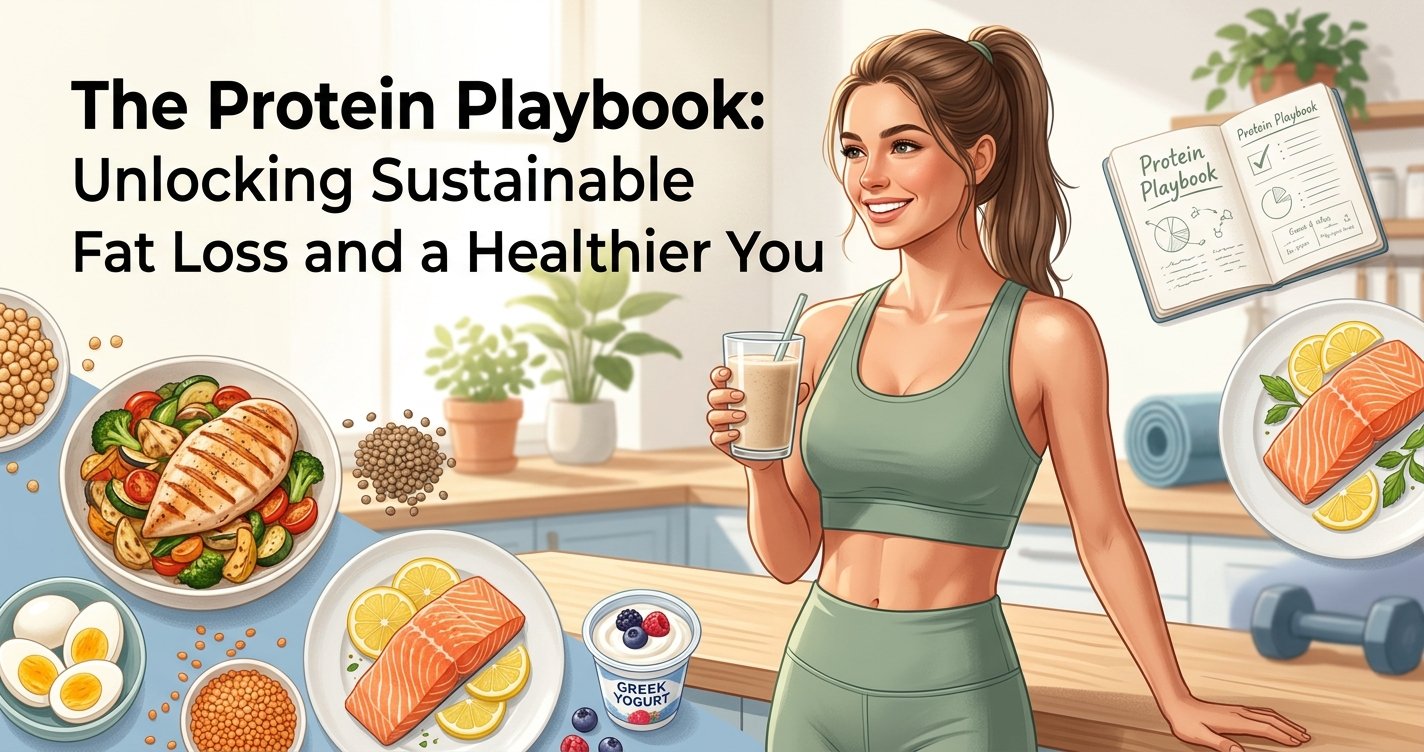
Are you tired of the endless cycle of restrictive diets, quick fixes, and the disheartening 'yo-yo' effect? What if the secret to sustainable fat loss wasn't about what you *remove* from your diet, but what you strategically *add*? Enter protein, the often-underestimated powerhouse nutrient that holds the key to not just shedding unwanted fat, but also building a stronger, healthier, and more vibrant you.
For too long, protein has been pigeonholed as merely a 'muscle builder' for athletes. While it excels at that, its role in fat loss and overall metabolic health is profoundly impactful and often overlooked. This isn't just about feeling full; it's about optimizing your body's natural processes to make fat loss an intuitive, sustainable journey rather than a grueling battle. Let's dive into the evidence-based reasons why protein is your ultimate ally in achieving lasting fat loss. this excellent wellness product
Why Protein is Your Secret Weapon for Sustainable Fat Loss
Satiety Superstar: Feeling Full, Longer
One of the biggest challenges in any fat loss journey is managing hunger. Protein is a champion in this department. When you consume protein, it triggers the release of satiety hormones like PYY and GLP-1, signaling to your brain that you're full and satisfied. This isn't just a fleeting feeling; protein keeps you feeling satiated for longer compared to carbohydrates or fats, naturally reducing cravings and preventing overeating.
- Reduced Snacking: Less desire to graze between meals.
- Easier Calorie Deficit: Feeling full makes it simpler to stick to your daily calorie goals without feeling deprived.
- Improved Mood: Stable blood sugar and consistent energy levels prevent the mood swings often associated with hunger.
The Thermic Effect of Food (TEF): Burn More Calories Just by Eating
Every time you eat, your body expends energy to digest, absorb, and metabolize the nutrients. This is known as the Thermic Effect of Food (TEF). Protein has the highest TEF among all macronutrients. While carbohydrates have a TEF of 5-10% and fats 0-3%, protein boasts a TEF of 20-30%. This means that for every 100 calories of protein you consume, your body burns 20-30 calories just to process it. It's a small but significant metabolic boost that adds up over time, contributing to an easier calorie deficit without extra effort.
Muscle Preservation: Protecting Your Metabolism
When you're in a calorie deficit, your body can sometimes break down muscle tissue for energy, alongside fat. This is detrimental to your metabolism because muscle is metabolically active – it burns more calories at rest than fat does. A higher protein intake, especially when combined with strength training, helps signal your body to preserve precious muscle mass, ensuring that the weight you lose is predominantly fat. Protecting your lean muscle mass is crucial for maintaining a robust metabolism, making it easier to keep the fat off in the long run.
How Much Protein Do You Really Need for Optimal Fat Loss?
While general dietary guidelines often suggest a lower protein intake, research indicates that a higher intake is beneficial for fat loss. For most active individuals aiming for fat loss, a range of 1.6 to 2.2 grams of protein per kilogram of body weight (or approximately 0.7 to 1 gram per pound of body weight) per day is often recommended. For example, a person weighing 70kg (154 lbs) might aim for 112-154 grams of protein daily.
It's important to distribute this protein intake throughout your day, aiming for 20-40 grams per meal or snack, to maximize muscle protein synthesis and satiety. Individual needs can vary based on activity level, age, and specific goals, so listening to your body and consulting with a healthcare professional or registered dietitian can provide personalized guidance.
Smart Strategies to Boost Your Protein Intake Naturally
Incorporating more protein into your diet doesn't have to be complicated or bland. Here are practical, delicious ways to ensure you're hitting your targets:
Prioritize Protein at Every Meal
- Breakfast: Start strong! Think scrambled eggs, Greek yogurt with berries, a protein smoothie, cottage cheese, or a lean sausage patty.
- Lunch & Dinner: Build your plate around a lean protein source. Chicken breast, fish (salmon, tuna, cod), lean beef, turkey, tofu, tempeh, lentils, and beans are excellent choices. Aim for a palm-sized portion or more.
- Snacks: Instead of carb-heavy snacks, opt for protein-rich options like hard-boiled eggs, a handful of almonds, a small container of plain Greek yogurt, cheese sticks, or a protein shake.
Don't Forget Plant-Based Power
If you follow a plant-based diet, there are abundant protein sources available:
- Legumes: Lentils, chickpeas, black beans, kidney beans.
- Soy Products: Tofu, tempeh, edamame.
- Grains: Quinoa (a complete protein), oats.
- Nuts & Seeds: Almonds, walnuts, chia seeds, flax seeds, hemp seeds, pumpkin seeds.
- Seitan: A high-protein wheat gluten product.
Combining various plant proteins throughout the day ensures you get a full spectrum of essential amino acids.
Beyond the Plate: Protein's Role in Overall Wellness
While we're focusing on fat loss, it's worth noting that protein's benefits extend far beyond just your waistline. It's essential for:
- Bone Health: Adequate protein intake is linked to better bone density.
- Immune Function: Antibodies, which fight off infections, are made of protein.
- Hair, Skin, and Nails: These tissues are primarily made of protein, so sufficient intake supports their health and strength.
- Enzyme and Hormone Production: Many vital enzymes and hormones in your body are proteins, crucial for countless bodily functions.
By prioritizing protein, you're not just optimizing for fat loss; you're investing in your holistic health and well-being.
Common Protein Myths Debunked
Let's clear up some common misconceptions that might be holding you back:
- Myth: Too much protein is bad for your kidneys.
Fact: For healthy individuals with normal kidney function, there's no strong evidence that a high-protein diet causes kidney damage. If you have pre-existing kidney disease, consult your doctor. - Myth: Protein will make women bulky.
Fact: Gaining significant muscle mass ('bulking up') requires a specific training regimen, often a calorie surplus, and specific hormonal profiles (like higher testosterone) that most women naturally lack. Protein supports lean muscle development, which creates a toned, strong physique, not a bulky one. - Myth: Only bodybuilders need high protein.
Fact: Anyone looking to manage their weight, build strength, maintain muscle as they age, or simply feel more satisfied and energized can benefit from increased protein intake.
Putting It All Together: Your Protein-Powered Action Plan
Ready to harness the power of protein? Here's how to get started:
- Calculate Your Target: Determine your ideal daily protein intake based on your body weight and activity level.
- Plan Your Meals: Look at your current diet and identify opportunities to swap out lower-protein foods for higher-protein alternatives at each meal and snack.
- Read Labels: Become familiar with the protein content of your favorite foods.
- Hydrate: As you increase protein, ensure you're drinking plenty of water, as it helps with digestion and kidney function.
- Listen to Your Body: Pay attention to how different protein sources make you feel and adjust your choices accordingly.
Conclusion: Embrace the Protein Advantage for Lasting Results
Protein is far more than just a nutrient; it's a strategic ally in your journey towards sustainable fat loss and overall wellness. By prioritizing this powerful macronutrient, you'll naturally enhance satiety, boost your metabolism, preserve lean muscle, and feel more energized and satisfied throughout your day. It’s about nourishing your body intelligently, not just restricting it. So, step away from the fad diets and embrace the evidence-based power of protein. Your body, your energy levels, and your long-term health will thank you for it. Start your protein playbook today and unlock the healthier, stronger you!