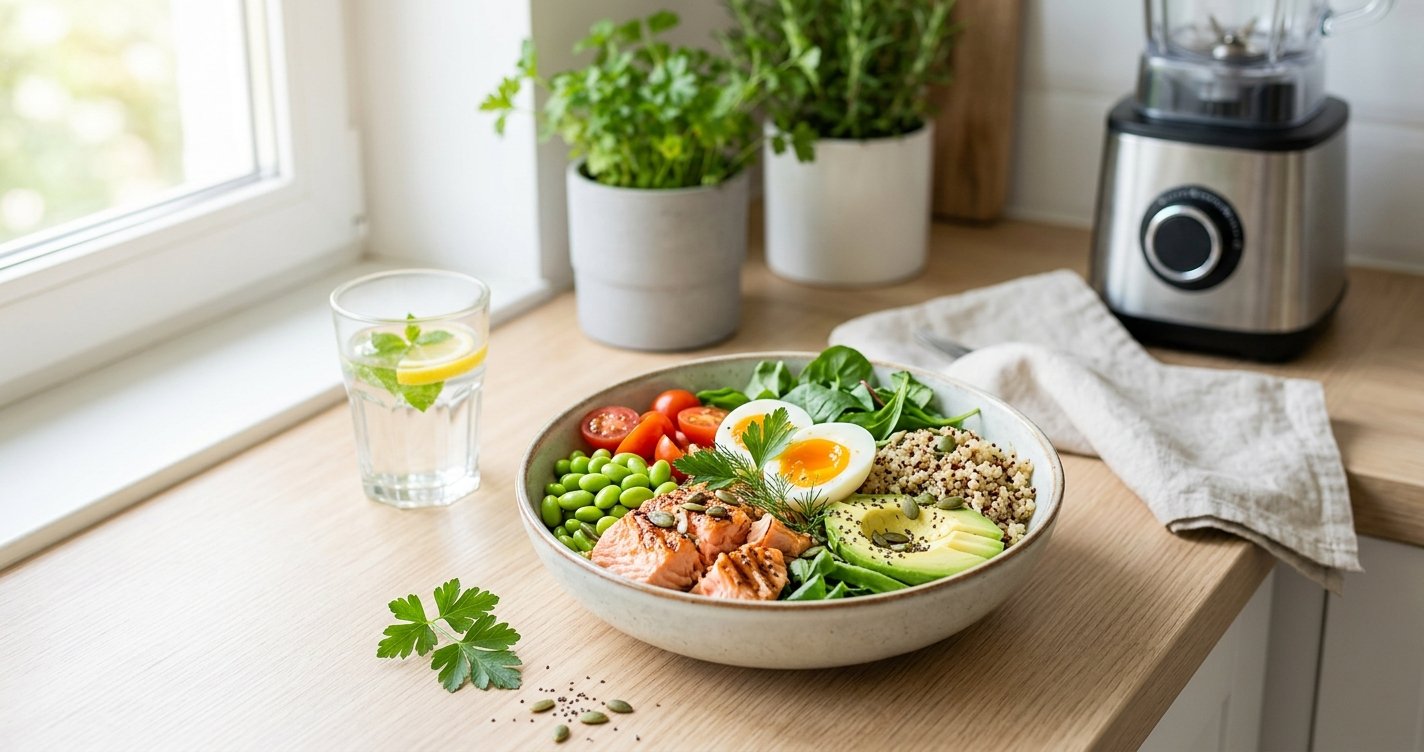
Are you tired of the endless cycle of restrictive diets, intense hunger pangs, and disappointing fat loss results that just don't stick? You’re not alone. Many people embark on a fat loss journey feeling overwhelmed and often overlook one of the most powerful, yet simple, tools in their arsenal: protein. It’s not just for bodybuilders; protein is your secret weapon for feeling fuller, burning more calories, and preserving your hard-earned muscle, all while making fat loss sustainable and enjoyable.
Forget the fads and unsustainable deprivation. In this evidence-based guide, we're diving deep into why protein is a game-changer for sustainable fat loss. We'll explore how it works, how much you truly need, and practical, friendly ways to incorporate more of this macronutrient into your daily life. Get ready to transform your approach to fat loss, one delicious, protein-packed meal at a time! this excellent wellness product
Why Protein is Your Secret Weapon for Fat Loss (and Not Just for Bodybuilders!)
When it comes to fat loss, most people immediately think of cutting calories. While a calorie deficit is fundamental, how you achieve that deficit and what you eat makes all the difference. Protein stands out for three key reasons that directly support effective and sustainable fat loss:
1. The Satiety Superstar: How Protein Keeps Cravings at Bay
One of the biggest challenges in any fat loss journey is hunger. Constant cravings and a rumbling stomach can quickly derail even the best intentions. This is where protein shines!
Research consistently shows that protein is the most satiating macronutrient. This means it helps you feel fuller for longer compared to carbohydrates or fats. How does it work? Protein influences several hormones that regulate appetite, such as ghrelin (the hunger hormone) and PYY (a hormone that signals fullness). By increasing protein intake, you can effectively reduce ghrelin levels and boost PYY, leading to:
- Reduced overall calorie intake without feeling deprived.
- Fewer cravings for unhealthy snacks between meals.
- Better adherence to your calorie goals.
Imagine going through your day feeling genuinely satisfied after meals, rather than constantly thinking about your next snack. That’s the power of protein!
2. Burn More Calories Just by Eating? The Thermic Effect of Protein Explained
Yes, you read that right! Your body expends energy (burns calories) to digest, absorb, and metabolize the food you eat. This is known as the Thermic Effect of Food (TEF). And guess which macronutrient has the highest TEF?
Protein! Approximately 20-30% of the calories from protein are used during its digestion and metabolism. Compare this to carbohydrates (5-10%) and fats (0-3%). This means that for every 100 calories of protein you consume, your body uses 20-30 of those calories just to process it. While it might seem like a small number, over the course of a day, week, or month, this can add up to a significant increase in your total daily energy expenditure, subtly helping you achieve a calorie deficit with less effort.
3. Protecting Your Gains: Why Muscle Matters for Metabolism
When you restrict calories for fat loss, your body doesn't just burn fat; it can also start to break down muscle tissue for energy. Losing muscle is detrimental to fat loss goals because muscle is more metabolically active than fat. This means that the more muscle you have, the more calories your body burns at rest (your Basal Metabolic Rate or BMR).
Consuming adequate protein, especially when combined with strength training, helps preserve your precious muscle mass during a calorie deficit. By maintaining or even building muscle, you keep your metabolism revving, making it easier to burn fat and prevent weight regain in the long term. This is crucial for sustainable fat loss, as a higher BMR means you have more wiggle room with your calorie intake without gaining weight back.
How Much Protein Do You *Really* Need for Fat Loss?
The recommended dietary allowance (RDA) for protein is often cited as 0.8 grams per kilogram of body weight (g/kg). However, this is a general recommendation for basic health, not necessarily optimized for fat loss or active individuals. For effective fat loss and muscle preservation, research suggests a higher intake:
- For most active individuals aiming for fat loss: 1.6 to 2.2 grams of protein per kilogram of body weight (0.7 to 1.0 grams per pound of body weight) is often recommended.
- Example: If you weigh 70 kg (about 154 lbs), aim for approximately 112-154 grams of protein per day.
It’s also beneficial to spread your protein intake throughout the day, aiming for 20-40 grams per meal. This helps optimize muscle protein synthesis (the process of building and repairing muscle) and keeps you feeling satiated consistently.
Smart Strategies to Boost Your Protein Intake (Without Feeling Overwhelmed)
Increasing your protein doesn't have to mean eating bland chicken breasts all day. Here are some friendly and practical tips to seamlessly integrate more protein into your diet:
For Breakfast: Start Your Day Strong
- Eggs: Versatile and packed with protein. Scramble them, poach them, or make an omelet with veggies.
- Greek Yogurt: A protein powerhouse! Choose plain, unsweetened Greek yogurt and add berries or a drizzle of honey.
- Cottage Cheese: Excellent with fruit or savory spices.
- Protein Smoothies: Blend protein powder with fruit, spinach, and milk or water for a quick, nutrient-dense option.
For Lunch & Dinner: Make Protein the Star
- Lean Meats: Chicken breast, turkey, lean beef, pork tenderloin.
- Fish & Seafood: Salmon, tuna, cod, shrimp. Rich in omega-3s too!
- Legumes: Lentils, chickpeas, black beans are great plant-based protein sources. Add them to salads, soups, or stews.
- Tofu & Tempeh: Fantastic for plant-based diets, absorbing flavors beautifully.
For Snacks: Smart Choices Between Meals
- Hard-boiled eggs: Prepare a batch for the week.
- A handful of nuts or seeds: Almonds, walnuts, pumpkin seeds.
- Protein bars or shakes: Convenient for on-the-go (choose wisely, checking sugar content).
- Edamame: Steamed and lightly salted, a delicious snack.
- Jerky or biltong: Lean and portable.
Tips for Plant-Based Eaters:
- Combine different plant protein sources (e.g., rice and beans) to ensure you get all essential amino acids.
- Focus on tofu, tempeh, edamame, lentils, chickpeas, nutritional yeast, and plant-based protein powders.
Beyond Protein: The Holistic Approach to Sustainable Fat Loss
While protein is a superstar, remember it's one piece of a larger puzzle. For sustainable, healthy fat loss, it's essential to consider other key factors:
- Calorie Deficit: You still need to consume fewer calories than you burn. Protein helps you do this more easily, but tracking your intake can be beneficial.
- Strength Training: Crucial for building and preserving muscle mass, which boosts your metabolism.
- Hydration: Drink plenty of water throughout the day. Sometimes thirst can be mistaken for hunger.
- Sleep: Adequate sleep is vital for hormone regulation, including those that control appetite and metabolism.
- Stress Management: Chronic stress can lead to increased cortisol levels, which can hinder fat loss. Find healthy ways to manage stress.
- Fiber-Rich Foods: Pair protein with plenty of fruits, vegetables, and whole grains for fiber, which aids digestion and satiety.
Embrace the Power of Protein!
Steering away from extreme diets and embracing a more balanced, evidence-based approach is key to lasting fat loss. Protein isn't just a macronutrient; it's a powerful ally that helps you feel satisfied, burn more calories, and protect your metabolism, all while making your journey more enjoyable and sustainable. By strategically incorporating more protein into your meals and snacks, you're not just changing what you eat; you're changing your relationship with food and setting yourself up for long-term success.
So, why not start today? Look at your next meal and ask yourself: "How can I boost the protein here?" Small, consistent changes can lead to incredible results. You’ve got this!