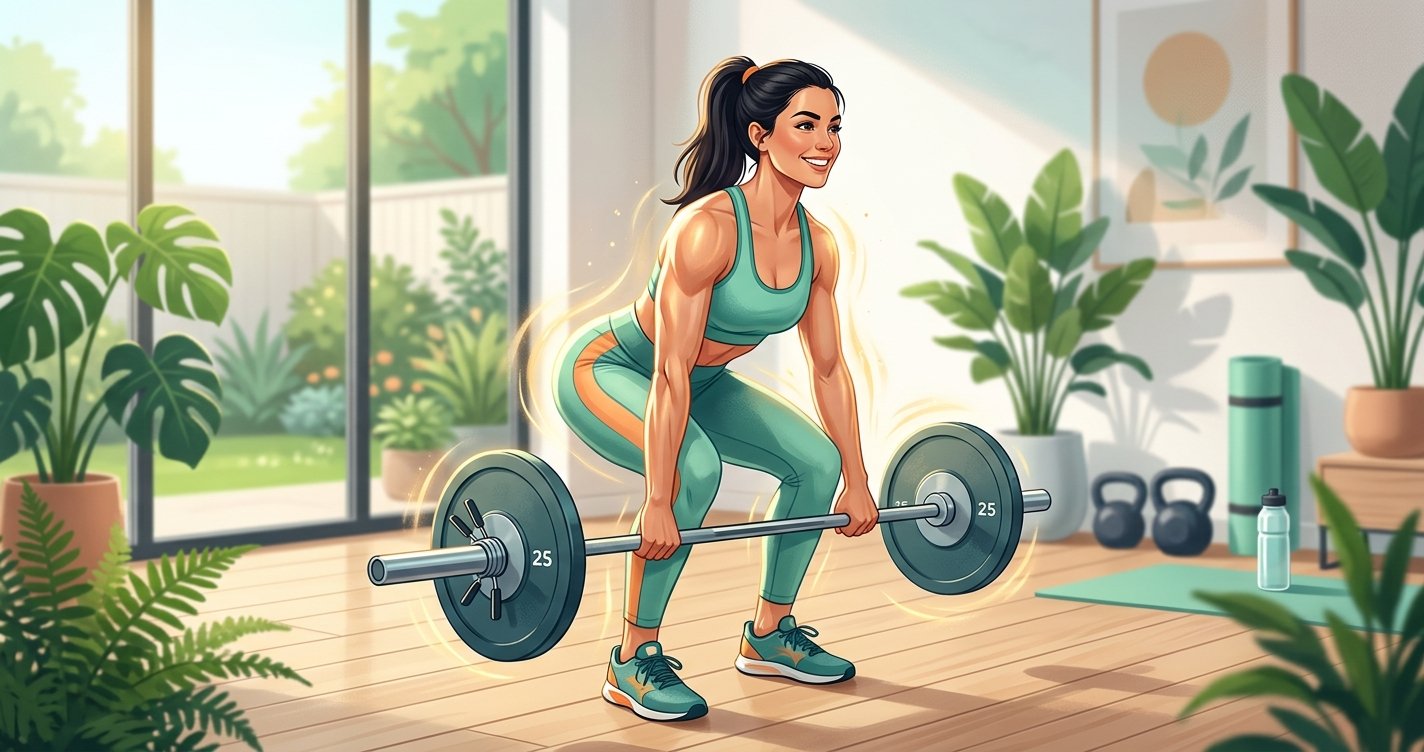
Are you tired of the endless cycle of restrictive diets and grueling cardio sessions that promise fat loss but deliver fleeting results? What if we told you there's a powerful, often overlooked secret weapon in your fat loss arsenal – one that not only helps you shed unwanted pounds but also sculpts your body, boosts your metabolism, and keeps the fat off for good? It's time to unlock the incredible potential of building muscle for sustainable fat loss.
For too long, strength training has been relegated to the sidelines in fat loss conversations, often overshadowed by cardio and calorie restriction. But the truth is, incorporating resistance training into your routine isn't just about getting "bulky" (a common misconception we’ll bust later!). It's about transforming your body into a more efficient, fat-burning machine, even when you're at rest. Let's dive deep into why muscle is your best friend on your journey to a leaner, stronger you. this excellent wellness product
Why Muscle is Your Ultimate Fat-Burning Secret Weapon
Imagine a furnace that burns fuel more efficiently. That's essentially what happens when you build muscle. Muscle tissue is metabolically active, meaning it requires more energy (calories) to maintain itself than fat tissue does. This fundamental difference is a game-changer for anyone serious about lasting fat loss.
The Metabolic Advantage: Burning More at Rest
Here’s the simple truth: the more muscle you have, the higher your Basal Metabolic Rate (BMR) will be. Your BMR is the number of calories your body burns just to perform essential functions like breathing, circulating blood, and maintaining body temperature, even when you're doing absolutely nothing. By increasing your muscle mass, you're essentially turning up your body's internal thermostat, meaning you'll be burning more calories around the clock, 24/7, simply by existing!
While the exact number varies, studies suggest that a pound of muscle burns roughly 6-10 calories per day at rest, compared to only 2-3 calories for a pound of fat. Over weeks, months, and years, this seemingly small difference adds up to a significant impact on your overall calorie expenditure, making fat loss a much more attainable and sustainable goal.
EPOC: The Afterburn Effect That Keeps Giving
Beyond the increased resting metabolism, strength training offers another fantastic benefit: the "afterburn effect," scientifically known as Excess Post-exercise Oxygen Consumption (EPOC). Unlike steady-state cardio, which primarily burns calories during the activity itself, intense strength training causes your body to continue burning calories at an elevated rate for hours, and sometimes even up to 24-48 hours, after your workout is over.
During EPOC, your body works hard to restore itself, repairing muscle tissue and replenishing energy stores. This recovery process demands significant energy, turning your body into a calorie-burning furnace long after you've left the gym. It's like getting paid extra for your hard work, even when you're resting!
The Science Behind Muscle Growth & Fat Loss: More Than Just Calories
The benefits of building muscle extend beyond just calorie burning. Strength training has a profound impact on your hormonal balance and insulin sensitivity, both of which are crucial for effective fat loss.
- Improved Insulin Sensitivity: Regular strength training helps your body use insulin more effectively. When your cells are more sensitive to insulin, they're better at absorbing glucose from your bloodstream, reducing the likelihood of it being stored as fat. This is particularly beneficial for preventing and managing type 2 diabetes and metabolic syndrome.
- Hormonal Optimization: Intense resistance training can temporarily boost growth hormone and testosterone levels (in both men and women), which play key roles in muscle repair, growth, and fat metabolism. It also helps manage cortisol levels, the "stress hormone" that, when chronically elevated, can promote belly fat storage.
- Enhanced Nutrient Partitioning: With more muscle, your body becomes better at directing nutrients (especially carbohydrates) towards muscle repair and growth rather than fat storage. This means the food you eat is more likely to be used constructively by your muscles.
Getting Started: Your Strength Training Blueprint for Fat Loss
Ready to harness the power of muscle? Here's how you can begin your journey with confidence.
Choosing the Right Exercises: Compound Movements Rule
Focus on compound exercises that work multiple muscle groups simultaneously. These are the most efficient and effective for building muscle and burning calories. Think:
- Squats: Barbell squats, goblet squats, front squats
- Deadlifts: Conventional, sumo, Romanian deadlifts
- Bench Press: Flat, incline, dumbbell press
- Overhead Press: Barbell or dumbbell shoulder press
- Rows: Barbell rows, dumbbell rows, cable rows
- Lunges: Walking lunges, stationary lunges
Supplement these with isolation exercises as needed, but make compound movements the foundation of your routine.
Progressive Overload: The Key to Continued Progress
Your muscles adapt quickly. To keep growing and getting stronger, you need to continually challenge them. This principle is called progressive overload. It means gradually increasing the demand placed on your muscles over time. This can be achieved by:
- Increasing the weight: The most common method.
- Increasing repetitions: Doing more reps with the same weight.
- Increasing sets: Doing more total sets of an exercise.
- Decreasing rest time: Shorter breaks between sets.
- Improving form: Performing the exercise with better technique and control.
- Increasing frequency: Training a muscle group more often.
Without progressive overload, your muscles won't have a reason to grow stronger, and your fat loss progress will stall.
Frequency and Volume: How Much is Enough?
For most beginners and intermediate lifters aiming for fat loss and muscle gain, 3-4 full-body or upper/lower split strength training sessions per week are ideal. Each session can last 45-75 minutes. Aim for 3-5 sets of 6-12 repetitions for most exercises, focusing on proper form and feeling the muscle work.
Listen to your body, ensure adequate recovery, and don't be afraid to adjust based on your energy levels and progress.
Beyond the Gym: Nutrition and Recovery for Optimal Muscle Growth & Fat Loss
While training is crucial, your success isn't built on sweat alone. What you do outside the gym is equally vital.
- Prioritize Protein: Protein is the building block of muscle. Aim for 0.7-1 gram of protein per pound of body weight daily to support muscle repair and growth, and to keep you feeling full and satisfied.
- Don't Fear Carbs and Healthy Fats: Carbohydrates fuel your workouts and aid recovery, while healthy fats are essential for hormone production and overall health. Focus on whole, unprocessed sources.
- Stay Hydrated: Water is critical for every bodily function, including metabolism and muscle performance.
- Embrace Sleep: Your muscles grow and repair when you're resting, not when you're lifting. Aim for 7-9 hours of quality sleep each night to optimize recovery and hormone balance.
- Manage Stress: Chronic stress can elevate cortisol, hindering fat loss and muscle gain. Incorporate stress-reducing activities like meditation, yoga, or spending time in nature.
Busting Myths: What Strength Training for Fat Loss ISN'T
Let's address the elephant in the room: the fear of "bulking up."
For most women, and even many men, becoming excessively "bulky" from strength training is extremely difficult without specific training protocols, very high calorie surpluses, and often, hormonal assistance. Women naturally have much lower levels of testosterone, making significant muscle hypertrophy (growth) a slow and challenging process.
Instead, what you'll achieve is a leaner, more toned, and shapely physique. Your clothes will fit better, your body will look firmer, and you'll feel incredibly strong and confident. Say goodbye to "skinny fat" and hello to a powerful, functional body!
Integrating Strength Training into Your Lifestyle: Make it Stick!
Consistency is king. Here are tips to make strength training a sustainable part of your life:
- Start Small: Don't try to do too much too soon. Begin with 2-3 sessions a week and gradually increase as you get stronger and more comfortable.
- Find What You Enjoy: Whether it's lifting weights in a gym, bodyweight exercises at home, CrossFit, or a strength-focused class, find an activity you genuinely like to increase adherence.
- Track Your Progress: Log your workouts – the weights, reps, and sets. Seeing your strength improve is incredibly motivating.
- Seek Guidance: Consider working with a certified personal trainer, especially when starting, to learn proper form and create an effective program tailored to your goals.
- Be Patient and Celebrate Small Wins: Fat loss and muscle gain are journeys, not races. Celebrate every personal best, every extra rep, and every increase in weight.
Your Stronger, Leaner Future Awaits!
Building muscle is not just about aesthetics; it's about building a healthier, more resilient, and metabolically efficient body. By embracing strength training, you're not just losing fat; you're gaining strength, confidence, and a powerful tool for long-term health and well-being. Ditch the endless cardio, embrace the weights, and watch as your body transforms into the strong, fat-burning machine it was meant to be. Your journey to sustainable fat loss starts with building muscle – one rep at a time!