Is Intermittent Fasting the Missing Piece in Your Fat Loss Journey?
Feeling stuck on your fat loss journey? You've tried various diets, maybe even ramped up your workouts, but the results just aren't sticking. What if we told you there's a flexible, evidence-backed approach that could help you unlock your body's natural fat-burning potential? Welcome to the world of Intermittent Fasting (IF) – not a diet, but an eating pattern that's gaining immense popularity for its sustainable fat loss benefits and metabolic health improvements.
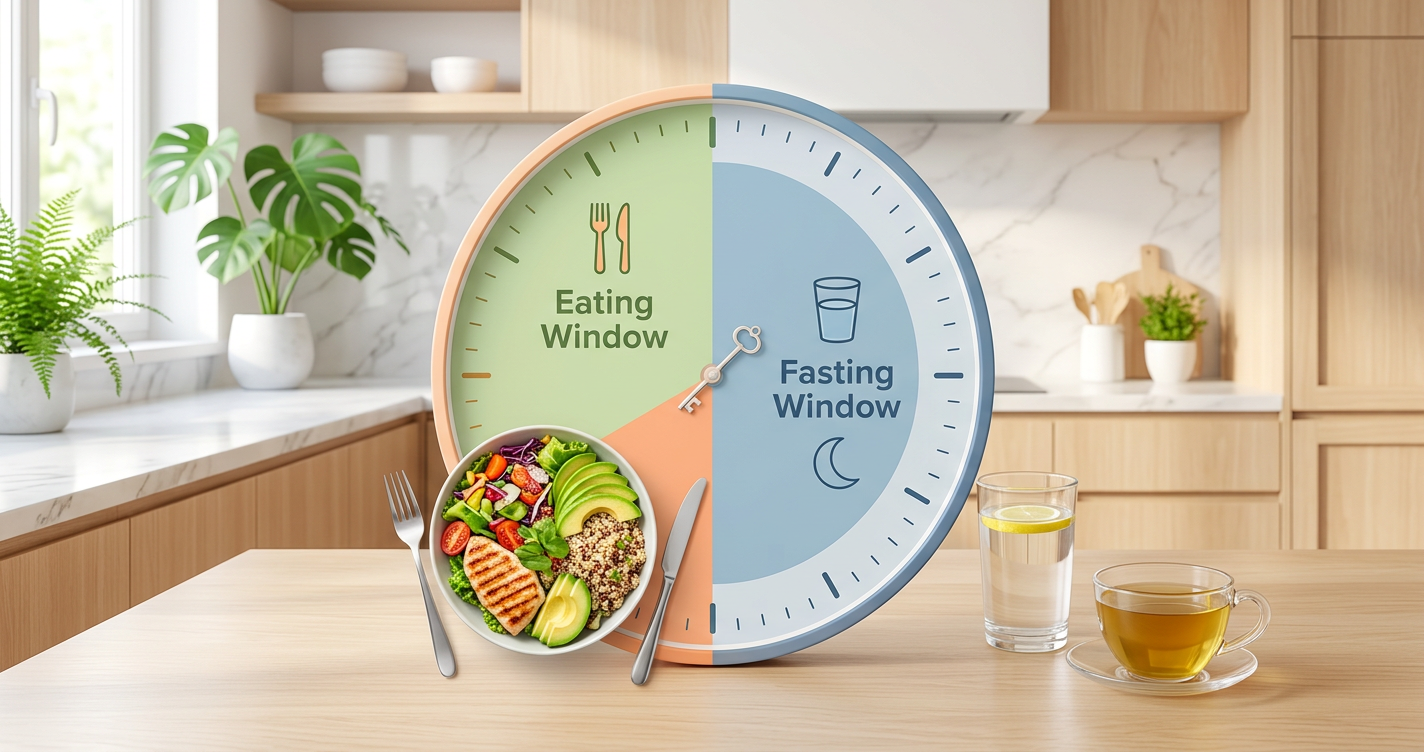
Intermittent Fasting isn't about what you eat, but when you eat. It involves cycling between periods of eating and voluntary fasting, and for many, it's a game-changer. It simplifies meal planning, reduces decision fatigue, and, most importantly, can naturally nudge your body into a fat-burning state. Ready to explore how this simple shift in timing could be your key to lasting fat loss? Let's dive in! this excellent wellness product
The Science Behind Intermittent Fasting and Fat Loss
Understanding why IF works can empower you to use it effectively. When you eat, your body releases insulin, a hormone that helps transport glucose (sugar from food) into your cells for energy. When insulin levels are high, your body is in a 'fed state,' primarily burning glucose for fuel and storing excess energy as fat. During a fasted state, however, several beneficial changes occur:
- Insulin Levels Drop: With no food coming in, insulin levels significantly decrease. This signals your body to switch from burning glucose to burning stored fat for energy – exactly what we want for fat loss!
- Human Growth Hormone (HGH) Increases: Fasting can significantly boost HGH levels, which supports fat loss and muscle preservation. This is crucial because you want to lose fat, not muscle.
- Norepinephrine (Noradrenaline) Increases: This hormone signals fat cells to break down body fat and release it into your bloodstream for energy.
- Autophagy is Activated: This is your body's cellular 'cleanup crew,' removing old, damaged cells and regenerating new ones. While not directly a fat loss mechanism, it contributes to overall metabolic health, which supports a healthy weight.
Essentially, IF helps shift your body into a more efficient fat-burning mode, making it easier to create the necessary calorie deficit for fat loss without constantly feeling deprived.
Popular Intermittent Fasting Methods for Beginners
One of the beauties of IF is its flexibility. There are several methods, allowing you to choose one that best fits your lifestyle. Here are the most popular and beginner-friendly approaches:
The 16/8 Method (Leangains Protocol)
- How it works: You fast for 16 hours and have an 8-hour eating window. For example, if you finish dinner at 8 PM, you wouldn't eat again until 12 PM the next day. This typically means skipping breakfast.
- Why it's popular: It's often considered the easiest to stick to long-term. Most people already naturally fast for 10-12 hours overnight, so extending that by a few hours isn't a huge leap.
- Best for: Beginners looking for a sustainable, daily routine.
The 5:2 Method (The Fast Diet)
- How it works: You eat normally for five days of the week and restrict your calorie intake to 500-600 calories on two non-consecutive days.
- Why it's popular: It allows for more flexibility on 'normal' eating days and can be easier for those who find daily fasting challenging.
- Best for: Those who prefer longer, less frequent fasting periods.
Eat-Stop-Eat
- How it works: Involves a 24-hour fast once or twice a week. For example, you might finish dinner on Monday at 6 PM and not eat again until dinner on Tuesday at 6 PM.
- Why it's popular: It can be a powerful tool for breaking plateaus, but requires more discipline.
- Best for: More experienced fasters or those looking for an occasional challenge.
Remember, consistency is key. Start with the method that feels most approachable for you and adjust as needed.
Getting Started: Practical Tips for Your First Week
Embarking on IF doesn't have to be daunting. Here's how to ease into it and set yourself up for success:
- Start Gradually: Don't jump straight into 16 hours if you're used to eating every few hours. Try extending your overnight fast by just one or two hours initially. Gradually work your way up.
- Stay Hydrated: This is CRUCIAL. During your fasting window, drink plenty of water, black coffee, or plain tea. These can help curb hunger and keep you energized. Avoid sugary drinks.
- Prioritize Nutrient-Dense Foods: When you do eat, focus on whole, unprocessed foods. Lean proteins, healthy fats, fiber-rich vegetables, and complex carbohydrates will keep you feeling full and provide essential nutrients.
- Listen to Your Body: Hunger pangs are normal, especially at first. They often come in waves. Distract yourself with an activity or a glass of water. If you feel dizzy, unwell, or have persistent severe hunger, it's okay to break your fast and try again later.
- Plan Your Meals: Knowing what you'll eat during your eating window can prevent impulsive, unhealthy choices. Meal prepping can be a huge help here.
The first few days might feel a little challenging as your body adapts, but most people find it gets much easier after a week or two.
Beyond the Basics: Combining IF with Exercise and Nutrition
While IF alone can promote fat loss, combining it with smart nutrition and regular exercise amplifies its effects and supports overall health.
- Strength Training is Your Friend: Incorporating resistance training (weights, bodyweight exercises) 2-4 times a week helps preserve and build muscle mass. More muscle means a higher resting metabolism, which further aids fat loss. You can train in a fasted or fed state – see what feels best for you.
- Prioritize Protein: During your eating window, ensure you're getting enough protein. Protein is highly satiating, helps maintain muscle mass, and has a higher thermic effect (meaning your body burns more calories digesting it). Aim for 0.7-1 gram of protein per pound of lean body mass.
- Focus on Whole Foods: Think colorful vegetables, fruits, lean meats, fish, eggs, nuts, seeds, and whole grains. Minimize processed foods, sugary drinks, and excessive refined carbohydrates. These foods provide sustained energy and essential micronutrients.
- Don't Overcompensate: The goal isn't to eat everything in sight during your eating window. IF helps create a natural calorie deficit, but if you overeat significantly, you might negate the benefits.
Think of IF as a tool in your holistic fat loss strategy, working synergistically with other healthy habits.
Common Challenges and How to Overcome Them
It's normal to encounter a few hurdles when adopting a new eating pattern. Here are some common challenges and practical solutions:
- Intense Hunger: This is usually most pronounced in the first few days. Drink more water, black coffee, or herbal tea. Distract yourself. Your body will adapt. Some find adding a pinch of salt to water helps with electrolyte balance.
- Low Energy/Brain Fog: Again, often temporary. Ensure you're well-hydrated and getting enough sleep. If it persists, you might need to adjust your fasting window or ensure adequate nutrition during your eating period.
- Social Situations: This can be tricky. Be honest with friends and family, explaining you're trying a new eating pattern. Plan ahead – if you have a social event, you can adjust your fasting window for that day, or simply opt for non-caloric beverages. Flexibility is key for long-term adherence.
- Plateaus: If fat loss stalls, review your eating window choices (are you truly in a deficit?), increase activity, or consider slightly adjusting your fasting protocol. Sometimes varying your routine can kickstart progress.
- Sleep Disturbances: While some find IF improves sleep, others might experience initial disruptions. Avoid eating too close to bedtime if your eating window extends late, and ensure your last meal is balanced and not overly heavy.
Who Should (and Shouldn't) Try Intermittent Fasting?
While IF offers fantastic benefits for many, it's not for everyone. It's always wise to consult with a healthcare professional or registered dietitian before making significant dietary changes, especially if you have underlying health conditions.
IF may be beneficial for:
- Generally healthy adults looking for sustainable fat loss.
- Individuals wanting to improve metabolic health markers like insulin sensitivity.
- People seeking a simpler, less restrictive approach to healthy eating.
IF is generally NOT recommended for:
- Pregnant or breastfeeding women.
- Individuals with a history of eating disorders.
- People with Type 1 diabetes (and Type 2 should consult a doctor due to medication adjustments).
- Those with certain medical conditions or on specific medications that require regular food intake.
- Children and adolescents.
Listen to your body, and prioritize your health above all else.
Embrace the Journey to a Healthier You
Intermittent Fasting isn't a magic bullet, but it's a powerful and flexible tool that can significantly impact your fat loss journey and overall well-being. By understanding the science, choosing a method that suits you, and implementing practical strategies, you can harness its benefits. Remember, consistency, patience, and listening to your body are your best allies. Start small, be kind to yourself, and celebrate every step of your progress. Here's to unlocking a healthier, leaner, and more energized you!