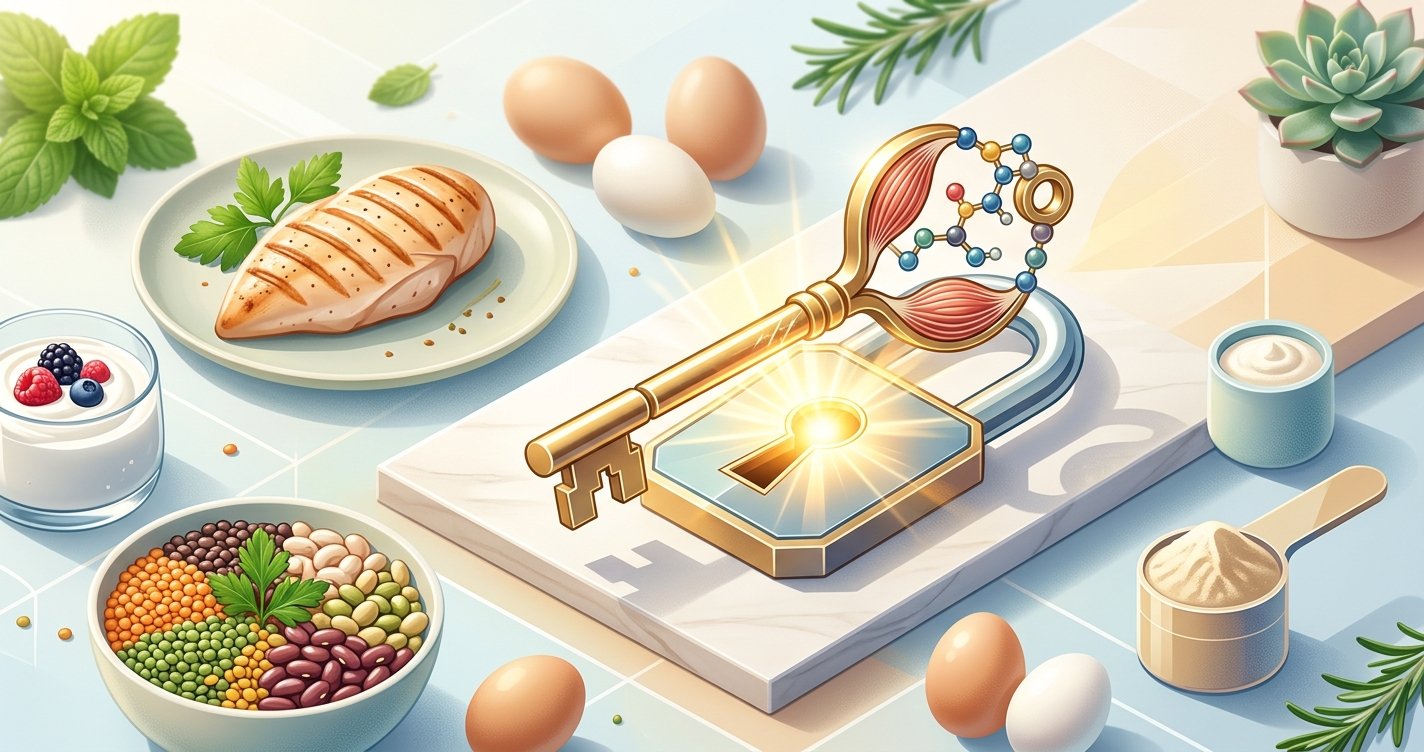
Are you on a journey to shed those extra pounds and achieve a healthier, leaner you? If so, you've likely encountered countless diets and trendy solutions. But what if one of the most powerful tools for sustainable fat loss has been right in front of you all along, often overlooked or misunderstood? We're talking about protein. Far from just a bodybuilding staple, protein is an absolute game-changer for anyone serious about losing fat, keeping it off, and feeling fantastic.
In this friendly, evidence-based guide, we're diving deep into the incredible benefits of protein for fat loss. We'll explore why it's so effective, how much you truly need, and delicious, practical ways to incorporate more of this vital macronutrient into your daily life. Get ready to transform your approach to eating and unlock your body's full fat-burning potential! this excellent wellness product
Why Protein is Your Best Friend for Fat Loss
Protein isn't just about building big muscles; it plays a crucial, multifaceted role in the fat loss process. Understanding these mechanisms can empower you to make smarter food choices.
The Satiety Factor: Feeling Fuller, Longer
One of the biggest hurdles in any fat loss journey is hunger. Constantly battling cravings and feeling deprived can quickly lead to giving up. This is where protein shines! Protein is renowned for its ability to increase satiety, meaning it helps you feel full and satisfied for longer periods compared to carbohydrates or fats. When you eat protein, it triggers the release of hormones like GLP-1 and CCK, which signal to your brain that you're full. This natural appetite suppression means you're less likely to snack unnecessarily or overeat at your next meal, naturally reducing your overall calorie intake without feeling like you're starving yourself. It’s a powerful tool for managing hunger and preventing those common diet pitfalls.
Boosting Your Metabolism: The Thermic Effect of Food (TEF)
Did you know that your body expends energy just to digest, absorb, and process the food you eat? This is known as the Thermic Effect of Food (TEF). And guess which macronutrient has the highest TEF? You guessed it – protein! Approximately 20-30% of the calories you consume from protein are burned off during digestion, compared to just 5-10% for carbohydrates and 0-3% for fats. This means that by simply eating more protein, you're giving your metabolism a slight, consistent boost throughout the day. While it might seem small, these extra calories burned add up over time, contributing significantly to your fat loss efforts.
Preserving Precious Muscle: A Key to Sustainable Fat Loss
When you're in a calorie deficit (eating less than you burn) to lose fat, there's always a risk of losing muscle mass along with fat. Losing muscle is detrimental because muscle is metabolically active, meaning it burns more calories at rest than fat does. If you lose muscle, your resting metabolism slows down, making it harder to maintain weight loss in the long run. A higher protein intake, especially when combined with strength training, helps signal to your body to preserve muscle tissue while it taps into fat stores for energy. This ensures that the weight you're losing is predominantly fat, keeping your metabolism humming and giving you a lean, toned physique.
How Much Protein Do You Really Need?
The common recommendation for protein intake often falls short for those actively pursuing fat loss. For general health, 0.8 grams of protein per kilogram of body weight is often cited. However, for optimal fat loss and muscle preservation, these numbers typically need to be higher.
General Guidelines vs. Individual Needs
While individual needs vary based on activity level, age, and current body composition, a good starting point for fat loss is often recommended to be between 1.6 to 2.2 grams of protein per kilogram of body weight (or 0.7 to 1.0 grams per pound of body weight). For a 70kg (154lb) individual, this would mean aiming for roughly 112 to 154 grams of protein per day. If you're very active or significantly overweight, you might even benefit from slightly higher amounts. Listening to your body and tracking your intake for a few days can help you find your sweet spot.
Debunking the "Too Much Protein" Myth
Concerns about "too much protein" damaging kidneys are largely unfounded for healthy individuals. Extensive research indicates that high protein diets are safe and effective for people with normal kidney function. Of course, always consult with a healthcare professional if you have pre-existing kidney conditions or other health concerns. For the vast majority, increasing protein intake within these recommended ranges is not only safe but highly beneficial for fat loss and overall health.
Delicious Ways to Power Up Your Plate with Protein
Integrating more protein into your diet doesn't have to be boring or complicated. There are countless delicious and versatile sources available.
Lean Meats & Poultry: Classic Choices
- Chicken Breast & Turkey: Versatile, low in fat, and packed with protein. Great for grilling, baking, or adding to salads.
- Lean Beef & Pork: Opt for leaner cuts like sirloin, tenderloin, or pork loin.
- Fish & Seafood: Salmon, tuna, cod, shrimp, and other seafood are excellent sources of protein, often with healthy fats too.
Plant-Based Powerhouses: Beyond Meat
- Legumes: Lentils, chickpeas, black beans, and kidney beans are fantastic sources of plant protein and fiber.
- Tofu & Tempeh: Highly versatile soy products that absorb flavors beautifully.
- Edamame: Perfect for snacking or adding to stir-fries.
- Quinoa: A complete protein grain, great as a side or base for salads.
- Nuts & Seeds: Almonds, peanuts, chia seeds, and flax seeds offer protein, healthy fats, and fiber.
Dairy & Eggs: Versatile and Nutrient-Dense
- Eggs: The incredible edible egg! A complete protein, perfect for any meal of the day.
- Greek Yogurt: Much higher in protein than regular yogurt, great for breakfast or snacks.
- Cottage Cheese: A slow-digesting protein source, excellent before bed.
- Milk & Cheese: Choose lower-fat options to manage calories.
Protein Supplements: When and How to Use Them
While whole foods should always be your primary source, protein supplements like whey, casein, or plant-based protein powders can be a convenient and effective way to meet your daily protein targets, especially post-workout or when you're on the go. They are not magic pills but a tool to help bridge nutritional gaps.
Making Protein a Habit: Practical Tips for Success
Knowing why protein is important is one thing; consistently incorporating it into your diet is another. Here are some actionable tips:
Distribute Your Protein Throughout the Day
Instead of trying to cram all your protein into one or two meals, aim to spread your intake relatively evenly across 3-5 meals or snacks. This helps maximize muscle protein synthesis, keeps you feeling fuller for longer, and prevents overwhelming your digestive system. Aim for 20-40 grams of protein per meal, depending on your total daily target.
Smart Snacking Strategies
Replace sugary, carb-heavy snacks with protein-rich alternatives. Think Greek yogurt, a handful of almonds, hard-boiled eggs, cottage cheese, or a small protein shake. These choices will keep your energy levels stable and curb hunger until your next meal.
Meal Prepping for Protein Perfection
Dedicate some time each week to prepare protein sources in advance. Cook a batch of chicken breast, hard-boil a dozen eggs, or chop up vegetables to add to your meals. Having readily available protein makes healthy eating effortless, especially on busy days.
Beyond Protein: Holistic Fat Loss
While protein is a superstar for fat loss, it's essential to remember it's part of a bigger picture. Sustainable fat loss also relies on:
- A moderate calorie deficit: You still need to burn more calories than you consume.
- Resistance training: To build and maintain muscle.
- Adequate sleep: Crucial for hormone regulation and recovery.
- Hydration: Drinking enough water supports metabolism and satiety.
- Stress management: Chronic stress can hinder fat loss.
Conclusion: Embrace the Power of Protein for a Leaner You
Protein is not just another nutrient; it's a cornerstone of effective and sustainable fat loss. By prioritizing protein in your diet, you'll naturally feel fuller, boost your metabolism, and protect your precious muscle mass, all while making your journey more enjoyable and less about deprivation. Start by setting a daily protein target, exploring new protein sources, and distributing your intake throughout the day.
Remember, this isn't about perfection, but progress. Small, consistent changes add up to incredible results. So, go ahead – embrace the power of protein and unlock a healthier, leaner, and more energized you!