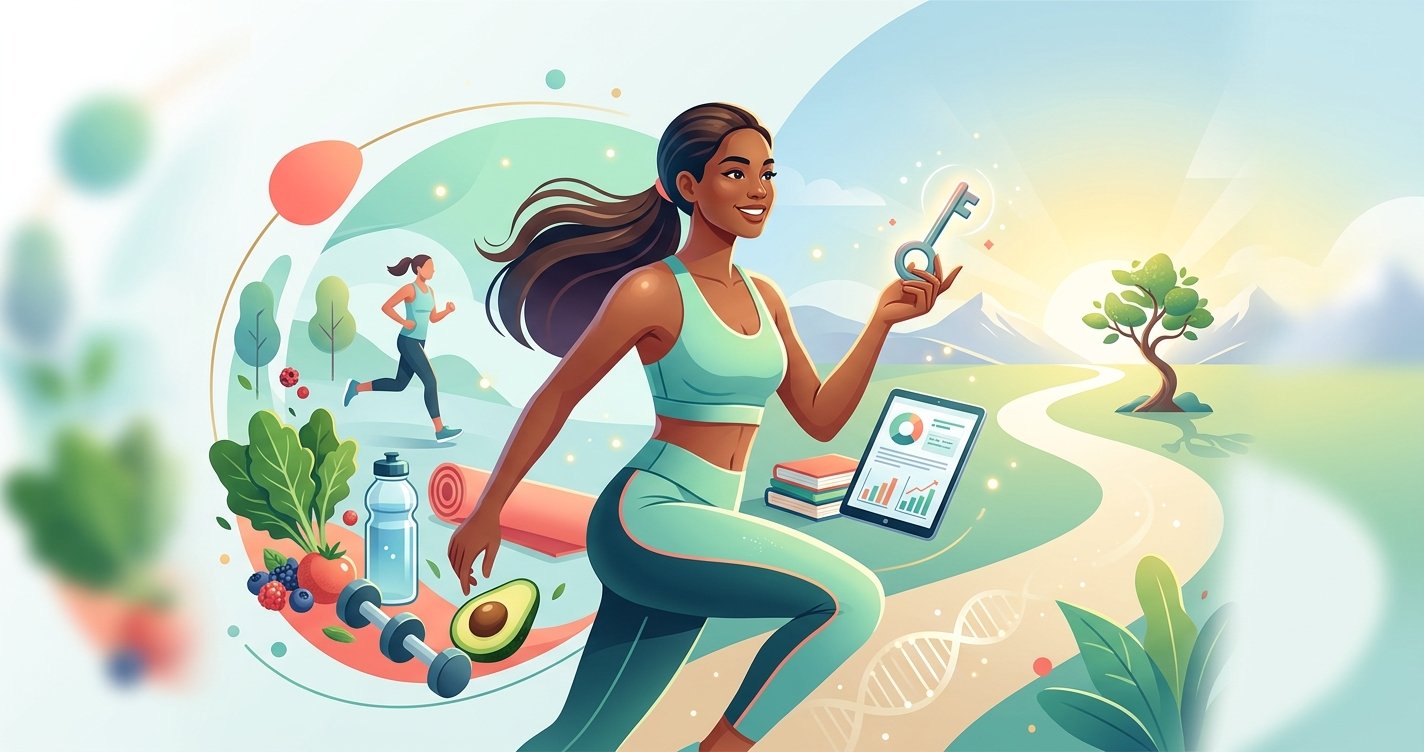
Unlock Lasting Fat Loss: Your Evidence-Based Guide to Sustainable Results
Are you tired of the endless cycle of restrictive diets, quick-fix solutions, and the inevitable rebound? Many people embark on a fat loss journey with enthusiasm, only to find themselves frustrated by fleeting results and unsustainable methods. The truth is, genuine, lasting fat loss isn't about deprivation or extreme measures; it's about cultivating sustainable habits rooted in evidence-based principles. This guide will walk you through a holistic, friendly, and encouraging approach to achieving your fat loss goals, not just for a few weeks, but for life.
Beyond the Hype: What Sustainable Fat Loss Really Means
Before diving into strategies, let's redefine what sustainable fat loss truly means. It's not merely about the number on the scale. It's about improving your body composition (reducing body fat while preserving muscle), enhancing your overall health, boosting your energy levels, and fostering a positive relationship with food and your body. Sustainable fat loss means adopting practices you can realistically maintain long-term, integrating them seamlessly into your daily life without feeling constantly deprived or overwhelmed. It's a journey towards a healthier, happier you, built on consistency, patience, and self-compassion. this excellent wellness product
Fueling Your Body Right: The Cornerstone of Fat Loss Nutrition
Nutrition is arguably the most critical component of any fat loss strategy. While countless diets promise magic, the fundamental principle remains: to lose fat, you generally need to consume slightly fewer calories than your body burns – creating a caloric deficit. However, this deficit must be approached intelligently, ensuring you still get adequate nutrients to support your health and energy.
Prioritize Protein for Satiety and Muscle Preservation
Protein is your best friend when it comes to fat loss. It's the most satiating macronutrient, meaning it helps you feel fuller for longer, reducing the urge to snack. More importantly, a high protein intake helps preserve lean muscle mass during a caloric deficit, which is crucial because muscle tissue is metabolically active and helps burn more calories at rest. Aim for 0.7-1 gram of protein per pound of body weight.
- Excellent Sources: Lean meats (chicken breast, turkey, lean beef), fish (salmon, cod), eggs, Greek yogurt, cottage cheese, lentils, beans, tofu, protein powder.
Don't Fear Healthy Fats and Complex Carbs
While cutting calories, it's tempting to eliminate entire food groups, but this is counterproductive. Healthy fats are essential for hormone production, nutrient absorption, and long-term satiety. Complex carbohydrates provide sustained energy, fiber, and vital micronutrients. Both are crucial for overall health and adherence to your plan.
- Healthy Fats: Avocados, nuts, seeds, olive oil, fatty fish.
- Complex Carbs: Whole grains (oats, brown rice, quinoa), sweet potatoes, fruits, vegetables.
Fiber: Your Secret Weapon Against Hunger
Fiber, found abundantly in fruits, vegetables, and whole grains, adds bulk to your meals without adding many calories. It slows down digestion, promoting a feeling of fullness and helping regulate blood sugar levels, preventing energy crashes and subsequent cravings.
- High-Fiber Foods: Berries, apples, broccoli, spinach, beans, lentils, whole-wheat bread, oats.
Hydration: Often Overlooked, Always Essential
Water plays a vital role in metabolism, nutrient transport, and even satiety. Sometimes, your body confuses thirst with hunger. Drinking plenty of water throughout the day can help manage cravings, boost metabolism slightly, and keep your energy levels stable. Aim for 8-10 glasses daily, more if you're active.
Practical Tips for Mindful Eating and Portion Control
Beyond what you eat, how you eat matters. Practice mindful eating by slowing down, savoring each bite, and paying attention to your body's hunger and fullness cues. Avoid distractions like screens during meals. Use smaller plates to help manage portion sizes visually, and don't be afraid to leave food on your plate if you're satisfied.
Move Your Body Smart: Exercise Strategies for Effective Fat Loss
Exercise isn't just about burning calories; it's about building a stronger, healthier, and more resilient body. While nutrition creates the caloric deficit, exercise optimizes your body composition, boosts metabolism, and improves overall well-being.
Strength Training: Your Metabolism's Best Friend
If you're serious about sustainable fat loss, strength training is non-negotiable. Building muscle increases your resting metabolic rate (RMR), meaning you burn more calories even when you're not exercising. It also sculpts your body, improves bone density, and enhances functional strength. Aim for 2-4 strength training sessions per week, focusing on compound movements that work multiple muscle groups.
- Examples: Squats, deadlifts, lunges, push-ups, rows, overhead presses.
Cardio: The Heart of Your Fat Loss Journey
Cardiovascular exercise is excellent for improving heart health, boosting endurance, and burning calories. There are two main types to consider:
- Low-Intensity Steady-State (LISS): Walking, cycling, swimming at a moderate pace for a longer duration (30-60 minutes). Great for recovery and consistent calorie burn.
- High-Intensity Interval Training (HIIT): Short bursts of intense exercise followed by brief recovery periods. Highly efficient for calorie burning and improving cardiovascular fitness in less time.
Find activities you genuinely enjoy to ensure consistency – whether it's dancing, hiking, or playing sports.
The Power of NEAT: Move More Throughout Your Day
Non-Exercise Activity Thermogenesis (NEAT) refers to the energy expended for everything we do that is not sleeping, eating, or sports-like exercise. This includes walking, standing, fidgeting, and even typing. Small increases in NEAT throughout your day can significantly contribute to your overall calorie expenditure. Take the stairs, park further away, stand while working, or go for a short walk during breaks. Every little bit adds up!
The Mind-Body Connection: Cultivating a Sustainable Lifestyle
Sustainable fat loss isn't purely physical; it's deeply psychological. Your mindset, sleep patterns, and stress levels play a profound role in your body's ability to shed fat and maintain a healthy weight.
Adequate Sleep: Crucial for Hormonal Balance
Sleep deprivation wreaks havoc on your hormones, particularly those that regulate hunger and satiety. Lack of sleep increases ghrelin (the hunger hormone) and decreases leptin (the fullness hormone), leading to increased cravings, especially for high-carb, high-fat foods. It also elevates cortisol, a stress hormone that can promote fat storage, particularly around the belly. Aim for 7-9 hours of quality sleep per night.
- Tips for Better Sleep: Create a consistent sleep schedule, make your bedroom dark and cool, avoid screens an hour before bed, limit caffeine and alcohol in the evening.
Stress Management: Taming the Cortisol Beast
Chronic stress, like sleep deprivation, can elevate cortisol levels, making fat loss more challenging. High cortisol can increase appetite and encourage fat storage. Finding healthy ways to manage stress is vital for both your mental and physical health.
- Stress-Reduction Techniques: Meditation, yoga, deep breathing exercises, spending time in nature, journaling, hobbies, connecting with loved ones.
Building Sustainable Habits, Not Just Dieting
Instead of viewing fat loss as a temporary diet, focus on building sustainable habits that become part of your lifestyle. Start small: replace one sugary drink with water, add a serving of vegetables to one meal, or take a 15-minute walk daily. Consistency over perfection is key. Don't let one slip-up derail your entire journey. Learn from it and get back on track.
Tracking Progress Beyond the Scale
The scale can be a useful tool, but it doesn't tell the whole story. Muscle weighs more than fat, and daily fluctuations in water weight can be disheartening. Track your progress using multiple metrics:
- Measurements: Waist, hips, arms, thighs.
- Progress Photos: Visual changes can be incredibly motivating.
- How Clothes Fit: A great indicator of body composition changes.
- Energy Levels and Mood: Noticeable improvements in well-being.
- Strength Gains: Lifting heavier, performing more reps.
Your Journey to Lasting Fat Loss Starts Now
Achieving sustainable fat loss is a marathon, not a sprint. It requires patience, consistency, and a commitment to nurturing your body and mind. By focusing on a balanced, protein-rich diet, incorporating both strength training and cardio, prioritizing sleep and stress management, and embracing a positive mindset, you're not just losing weight – you're building a foundation for a healthier, happier, and more vibrant life. Remember, every small, consistent step forward is progress. You've got this!