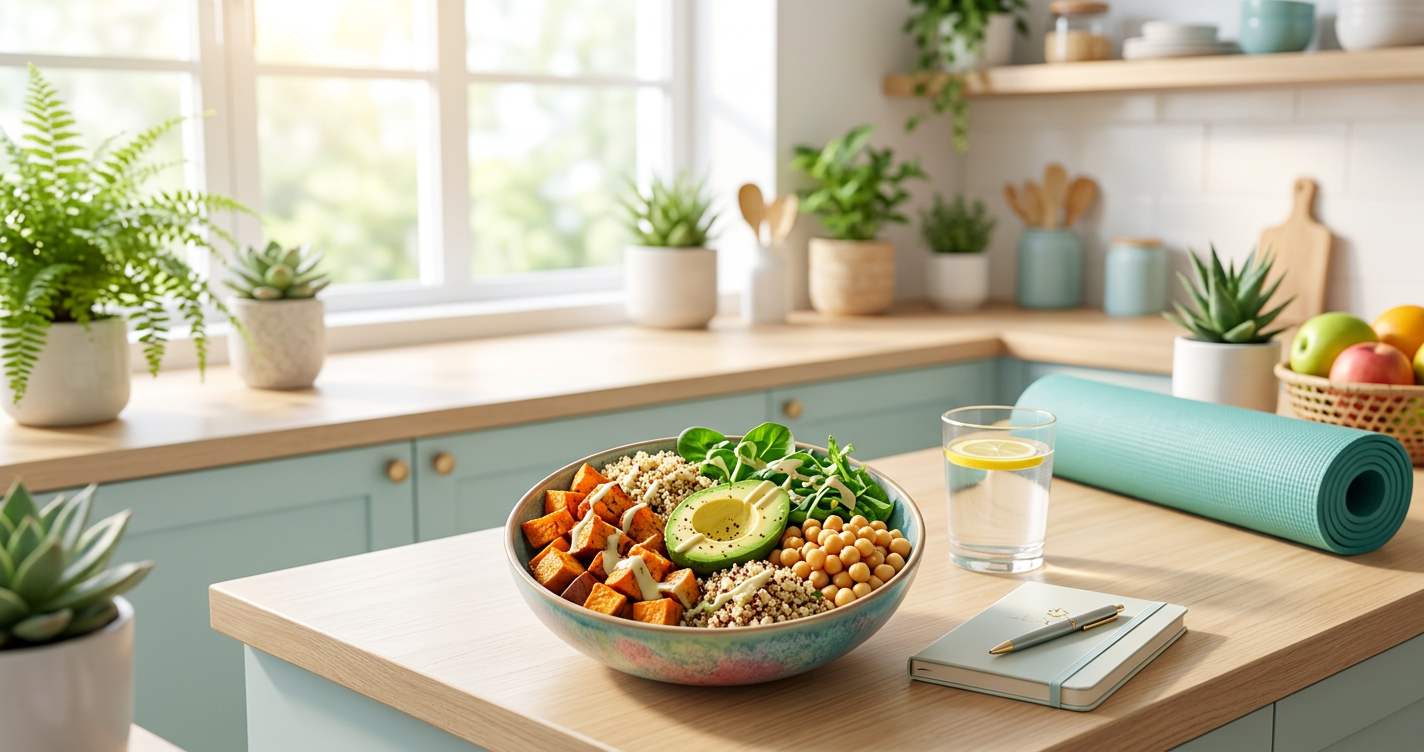
Are you tired of the endless cycle of restrictive diets, quick-fix solutions, and the inevitable rebound? Many of us have been there, chasing the latest fad only to find ourselves frustrated and no closer to our long-term goals. The truth is, sustainable fat loss isn't about deprivation or punishing workouts; it's about understanding your body, building healthy habits, and making choices that support your well-being for the long haul. This isn't just about losing weight; it's about gaining health, energy, and confidence.
In this guide, we're going to explore a holistic, evidence-based approach to fat loss that focuses on consistency, enjoyment, and real results – without the need for extreme measures. Let's ditch the diet mentality and embrace a lifestyle that truly serves you. this excellent wellness product
Beyond Calories In, Calories Out: Understanding the Bigger Picture
While the fundamental principle of fat loss involves expending more energy than you consume (a caloric deficit), reducing it to just 'calories in, calories out' oversimplifies a complex biological process. Your body is an intricate system, and many factors influence how it stores and burns fat.
The Metabolism Myth: It's Not Just About Speed
Your metabolism isn't just a fixed speed; it's a dynamic process influenced by your muscle mass, activity level, diet, and even your hormones. Building muscle, for instance, naturally boosts your resting metabolic rate, meaning you burn more calories even at rest. Don't fall for products promising to 'supercharge' your metabolism; focus on sustainable habits that naturally optimize it.
Hormones and Hunger: Leptin, Ghrelin, and Insulin
Hormones play a crucial role in regulating hunger, satiety, and fat storage. Leptin signals fullness, while ghrelin stimulates appetite. Imbalances, often caused by poor sleep, chronic stress, or highly processed diets, can lead to increased cravings and overeating. Insulin, released in response to carbohydrates, helps move glucose into cells for energy but can also promote fat storage if levels are consistently high due to frequent consumption of refined sugars and starches.
Stress and Sleep: Often Overlooked Players
Chronic stress elevates cortisol, a hormone that can increase appetite, promote fat storage (especially around the abdomen), and break down muscle. Similarly, insufficient sleep disrupts hunger-regulating hormones, leading to increased ghrelin and decreased leptin, making you feel hungrier and less satisfied, often craving high-calorie, sugary foods.
Fueling Your Body for Lasting Change: Nutrition Strategies
Nutrition is the cornerstone of sustainable fat loss. It's not about eating less; it's about eating better, focusing on nutrient-dense foods that fuel your body, keep you satisfied, and support hormonal balance.
Prioritize Protein: The Satiety and Muscle Preserver
Protein is your best friend for fat loss. It's highly satiating, meaning it keeps you feeling full for longer, reducing overall calorie intake. Furthermore, it's essential for preserving muscle mass during a caloric deficit, which is crucial for maintaining a healthy metabolism. Aim for a protein source at every meal: lean meats, poultry, fish, eggs, dairy, legumes, and plant-based protein powders.
Embrace Fiber: Gut Health and Fullness
Fiber, found in fruits, vegetables, whole grains, and legumes, adds bulk to your meals without adding many calories. It slows digestion, stabilizes blood sugar, and promotes a healthy gut microbiome, all of which contribute to satiety and overall well-being. Focus on a colorful array of plant-based foods.
Healthy Fats: Essential for Hormones and Satisfaction
Don't fear healthy fats! Monounsaturated and polyunsaturated fats (from avocados, nuts, seeds, olive oil, fatty fish) are vital for hormone production, nutrient absorption, and provide sustained energy. They also add flavor and satisfaction to your meals, preventing cravings. Just remember they are calorie-dense, so moderation is key.
Smart Carbohydrates: Timing and Type Matter
Carbohydrates are not the enemy. Focus on complex carbohydrates like whole grains (oats, quinoa, brown rice), sweet potatoes, and fruits. These provide sustained energy and fiber. Limit refined carbohydrates (white bread, sugary drinks, pastries) which cause rapid blood sugar spikes and crashes, leading to increased hunger.
The Power of Hydration
Often overlooked, adequate water intake is crucial. Sometimes, thirst can be mistaken for hunger. Drinking plenty of water can help you feel fuller, support metabolism, and aid in nutrient transport. Aim for at least 8 glasses a day, and more if you're active.
Move Your Body, Not Just Your Scale: Exercise for Fat Loss
Exercise isn't just about burning calories; it's about building strength, improving cardiovascular health, boosting mood, and optimizing your body's fat-burning potential. Find activities you enjoy to ensure consistency.
Strength Training: Your Metabolism's Best Friend
This is arguably the most impactful exercise for sustainable fat loss. Building muscle increases your resting metabolic rate, meaning you burn more calories 24/7, even when you're not working out. Aim for 2-3 full-body strength training sessions per week, focusing on compound movements like squats, deadlifts, presses, and rows.
Cardio: Find Your Joy (and Zone)
Cardiovascular exercise is excellent for heart health, calorie expenditure, and stress reduction. Whether it's brisk walking, jogging, cycling, swimming, or dancing, find an activity you genuinely enjoy. Incorporate both moderate-intensity steady-state cardio and occasional high-intensity interval training (HIIT) for varied benefits.
NEAT: The Unsung Hero of Daily Movement
NEAT (Non-Exercise Activity Thermogenesis) refers to the calories burned through everyday activities that aren't structured exercise. Think walking more, taking the stairs, fidgeting, gardening, or cleaning. Increasing your NEAT can significantly contribute to your overall calorie expenditure without feeling like a workout. Aim for more steps throughout your day!
The Mind-Body Connection: Mental Wellness and Fat Loss
Your mental state profoundly impacts your physical health and your ability to achieve fat loss goals. Addressing stress, sleep, and your relationship with food is just as important as diet and exercise.
Stress Management: Cortisol's Impact
As mentioned, chronic stress elevates cortisol, which can hinder fat loss. Incorporate stress-reducing practices into your daily routine: meditation, deep breathing exercises, yoga, spending time in nature, or engaging in hobbies you love. Prioritizing mental calm is a direct investment in your physical goals.
Quality Sleep: The Foundation of Recovery
Aim for 7-9 hours of quality sleep per night. Good sleep not only balances hunger hormones (leptin and ghrelin) but also aids in muscle recovery, improves insulin sensitivity, and boosts energy levels for your workouts. Create a consistent sleep schedule and a relaxing bedtime routine.
Mindful Eating: Listening to Your Body
Mindful eating involves paying attention to your body's hunger and fullness cues, savoring your food, and eating without distractions. This practice helps you avoid overeating, enjoy your meals more, and develop a healthier relationship with food. Before reaching for a snack, ask yourself: Am I truly hungry, or am I bored, stressed, or thirsty?
Building a Positive Relationship with Food and Your Body
Shift your perspective from viewing food as the enemy to seeing it as nourishment. Focus on what you can add to your diet rather than what you must restrict. Celebrate non-scale victories – increased energy, stronger lifts, better sleep, improved mood. Cultivate self-compassion and patience; your body deserves kindness throughout this journey.
Building Sustainable Habits: Consistency Over Perfection
True success in fat loss comes from consistency, not fleeting perfection. It's about building habits that you can maintain for life, even when challenges arise.
Small Changes, Big Impact
Don't try to overhaul everything at once. Start with one or two small, manageable changes – like adding protein to breakfast, walking for 15 minutes daily, or ensuring you get 7 hours of sleep. Once these become routine, add another. These small, consistent efforts compound over time into significant results.
Tracking Progress (Beyond the Scale)
The scale can be a useful tool, but it doesn't tell the whole story. Muscle weighs more than fat, and daily fluctuations can be discouraging. Track other markers of progress: how your clothes fit, energy levels, strength gains, mood improvements, body measurements, and progress photos. Celebrate every step forward!
Seeking Support and Professional Guidance
You don't have to do this alone. Share your goals with supportive friends or family. Consider working with a qualified nutritionist, dietitian, or personal trainer who can provide personalized guidance, accountability, and help you navigate challenges safely and effectively.
Conclusion
Sustainable fat loss is a journey of self-discovery, patience, and consistent effort. By adopting a holistic approach that prioritizes nutrient-dense foods, enjoyable movement, quality sleep, and mental well-being, you can break free from the cycle of extreme diets and build a healthier, happier you. Embrace these principles, be kind to yourself, and celebrate every step of your progress. Your body is capable of incredible things – give it the care and respect it deserves, and watch it transform.