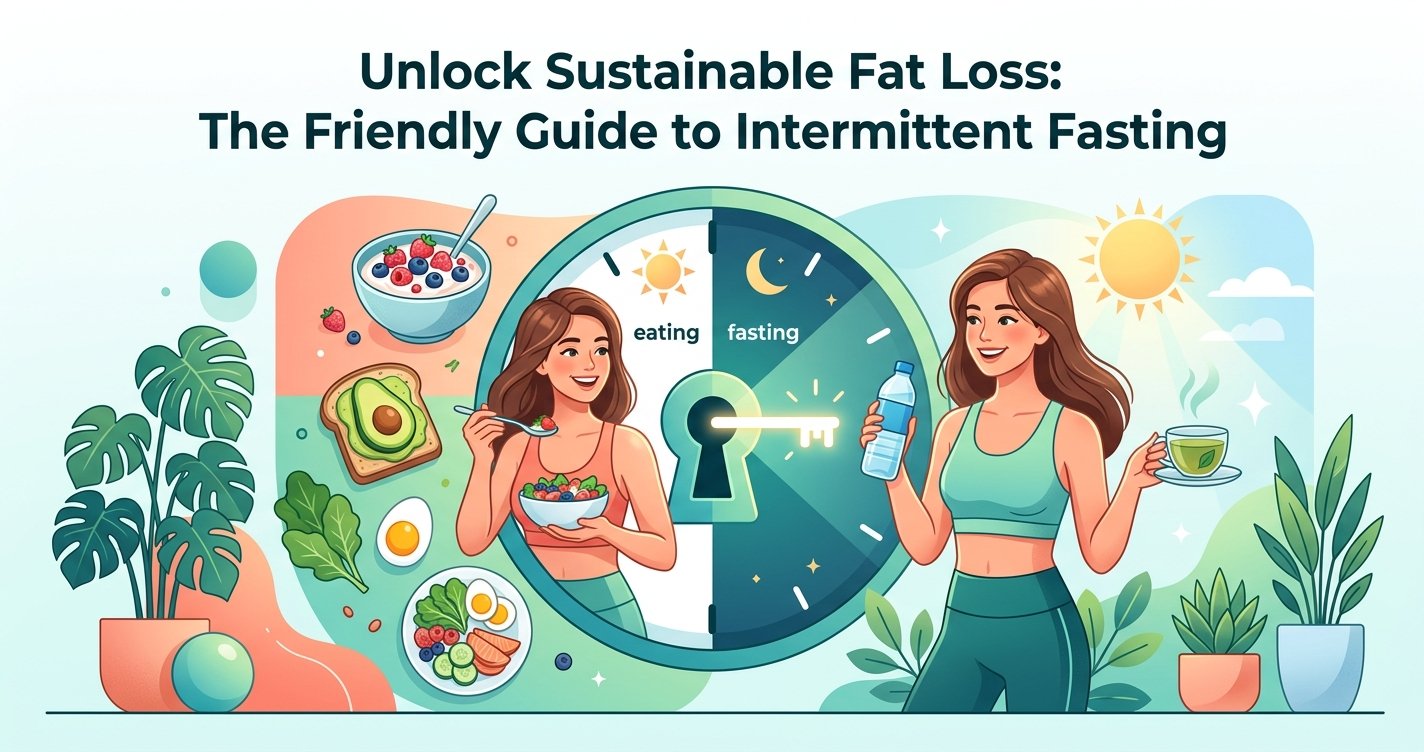
Are you tired of restrictive diets that leave you feeling deprived and ultimately lead back to square one? Many people struggle with finding a sustainable approach to fat loss that fits into their busy lives and doesn't feel like a constant battle. If you've been searching for a method that's not just effective but also offers a pathway to better overall health, you're in the right place. Let's explore Intermittent Fasting (IF), a powerful eating pattern that's gaining immense popularity for its fat-loss benefits and surprising simplicity. It's not just about what you eat, but when you eat, and it might just be the sustainable solution you've been looking for to finally achieve your fat loss goals.
What Exactly Is Intermittent Fasting (IF)?
Before we dive into how IF can help you shed those stubborn pounds, let's clarify what it actually is. Intermittent Fasting isn't a diet in the traditional sense; it doesn't tell you what specific foods to eat or avoid. Instead, it's an eating pattern that cycles between periods of eating and voluntary fasting. Think of it less as a restrictive diet and more as a structured approach to meal timing that allows your body to tap into its natural fat-burning mechanisms. this excellent wellness product
Not a Diet, But an Eating Pattern
The beauty of IF lies in its flexibility. There are several popular approaches, each with its own rhythm:
- The 16/8 Method: This is arguably the most popular and easiest to start with. It involves fasting for 16 hours each day and confining your eating to an 8-hour window. For example, you might eat between 12 PM and 8 PM, skipping breakfast.
- The 5:2 Method: With this approach, you eat normally for five days a week and restrict your calorie intake to 500-600 calories on two non-consecutive days.
- Eat-Stop-Eat: This involves a 24-hour fast once or twice a week, perhaps from dinner one day to dinner the next.
- Warrior Diet: A more extreme form, where you fast for 20 hours and eat one large meal within a 4-hour window.
Each method works by extending the time your body spends in a fasted state, which has profound implications for your metabolism and ability to burn fat. The key is to find a pattern that comfortably integrates into your lifestyle.
How Does Intermittent Fasting Help with Fat Loss?
The science behind IF's effectiveness for fat loss is fascinating and rooted in our body's natural metabolic processes. It’s more than just eating less; it’s about optimizing your body’s hormones and energy expenditure.
Hormonal Harmony for Fat Burning
When you fast, several crucial hormonal changes occur that facilitate fat loss:
- Insulin Levels Drop: Insulin is a fat-storage hormone. When you're constantly eating, especially carbs, your insulin levels remain elevated, signaling your body to store fat. During a fast, insulin levels drop significantly, allowing your body to access stored body fat for energy.
- Human Growth Hormone (HGH) Increases: Fasting can dramatically increase levels of HGH, a hormone crucial for fat loss and muscle preservation. Higher HGH levels promote fat burning and help maintain lean muscle mass, which is critical for a healthy metabolism.
- Norepinephrine (Noradrenaline) Increases: Your nervous system releases norepinephrine, which signals fat cells to break down body fat and release it into your bloodstream to be used for energy.
These hormonal shifts essentially transform your body from a sugar-burning machine into a fat-burning one, making it easier to tap into your fat stores.
Calorie Control Made Easier
While IF isn't primarily about calorie restriction, it often leads to a natural reduction in overall calorie intake. By confining your eating to a shorter window, you naturally have fewer opportunities to eat, which can help you consume fewer calories without consciously counting them. This makes it a much more sustainable approach than traditional calorie-restricted diets, as you're less likely to feel overly deprived.
Autophagy: The Body's Cleanup Crew
Beyond fat loss, one of the most exciting benefits of fasting is autophagy. This is a cellular self-cleaning process where your body removes old, damaged cells and recycles them to create new, healthier ones. Think of it as your body's natural detoxification and anti-aging mechanism. While not directly a fat-loss mechanism, improving cellular health supports overall metabolic function, which in turn aids in more efficient fat metabolism.
Getting Started with Intermittent Fasting: Your Friendly Guide
Ready to give IF a try? Here's a friendly, step-by-step guide to help you begin your journey safely and effectively.
Pick Your Perfect Plan
Start with the method that feels most approachable. The 16/8 method is excellent for beginners. For example, if you finish dinner by 7 PM, you wouldn't eat again until 11 AM the next day. This often means simply skipping breakfast, which many people find surprisingly easy once they adjust.
- 16/8 Method: Fast for 16 hours, eat during an 8-hour window (e.g., 12 PM - 8 PM).
- 14/10 Method: A slightly gentler start for some (fast 14 hours, eat 10 hours).
Experiment to find what aligns best with your schedule and preferences.
Hydration is Your Best Friend
During your fasting window, it's crucial to stay hydrated. Water, black coffee, and unsweetened tea are your allies. These beverages can help curb hunger and keep you feeling energized. Avoid anything with calories, as even a small amount can break your fast.
Mindful Eating During Your Window
Intermittent Fasting isn't a license to binge on unhealthy foods during your eating window. To maximize fat loss and health benefits, focus on whole, unprocessed, nutrient-dense foods. Prioritize lean proteins, healthy fats, plenty of vegetables, and complex carbohydrates. Eating a balanced diet will provide the energy and nutrients your body needs, prevent cravings, and support your overall well-being.
Listen to Your Body
The most important advice for any health journey is to listen to your body. You might experience some hunger, especially in the beginning, but it should be manageable. If you feel dizzy, excessively weak, or unwell, stop your fast and eat. Start slowly, perhaps with a 12-hour fast, and gradually extend it as you become more comfortable. This isn't a race; it's about building a sustainable habit.
Common Misconceptions and How to Overcome Them
There's a lot of information (and misinformation) out there about IF. Let's tackle a couple of common concerns.
"It's Just Starvation!"
This is a frequent misconception. Intermittent fasting is not starvation. Starvation implies a lack of essential nutrients and prolonged periods without food, leading to significant health detriments. IF, when done correctly, involves strategic periods of abstinence from food, followed by nutrient-rich meals. Your body is well-equipped to handle these short fasting periods, transitioning from burning glucose to burning stored fat – a state often referred to as metabolic switching.
"I'll Lose Muscle Mass!"
Another common fear is muscle loss. While prolonged, unsupervised fasting can lead to muscle loss, studies show that intermittent fasting, especially when combined with adequate protein intake during eating windows and resistance training, is very effective at preserving muscle mass while losing fat. The increase in HGH during fasting also plays a protective role for muscle tissue.
Who Should Be Cautious or Avoid IF?
While IF offers many benefits, it's not for everyone. Always consult with a healthcare professional before starting any new eating pattern, especially if you have underlying health conditions.
- Pregnant or Breastfeeding Women: Nutritional needs are higher during these periods, and fasting is generally not recommended.
- Individuals with Diabetes or Blood Sugar Issues: Fasting can significantly impact blood sugar levels and should only be undertaken under strict medical supervision.
- People with a History of Eating Disorders: IF can potentially trigger unhealthy patterns in individuals with a history of anorexia, bulimia, or other disordered eating.
- Individuals on Certain Medications: Some medications need to be taken with food, and fasting might interfere with their efficacy or cause adverse effects.
For most healthy adults, however, IF can be a safe and effective tool.
Beyond Fat Loss: Other Potential Benefits of IF
While fat loss is often the primary driver, people who practice IF frequently report a host of other positive outcomes:
- Improved Brain Health: Some research suggests IF can boost brain-derived neurotrophic factor (BDNF), which supports brain cell growth and resilience.
- Reduced Inflammation: Fasting has been shown to reduce markers of inflammation in the body, potentially lowering the risk of chronic diseases.
- Longevity: Animal studies have indicated that IF may extend lifespan, though human research is ongoing.
- Simplicity and Convenience: Many find IF simplifies their day by reducing the need to plan and prepare multiple meals.
Embrace a Sustainable Path to a Healthier You
Intermittent Fasting offers a compelling, evidence-based approach to fat loss that extends far beyond just shedding pounds. By harnessing your body's natural metabolic processes and optimizing hormonal balance, you can create a sustainable path to a leaner, healthier you. Remember, IF is a tool, not a magic bullet. Combine it with a nutrient-rich diet, regular physical activity, and adequate sleep for the best results. Start slowly, listen to your body, and don't hesitate to consult with a healthcare professional. Your journey to sustainable fat loss and improved well-being might just be a thoughtful eating pattern away!