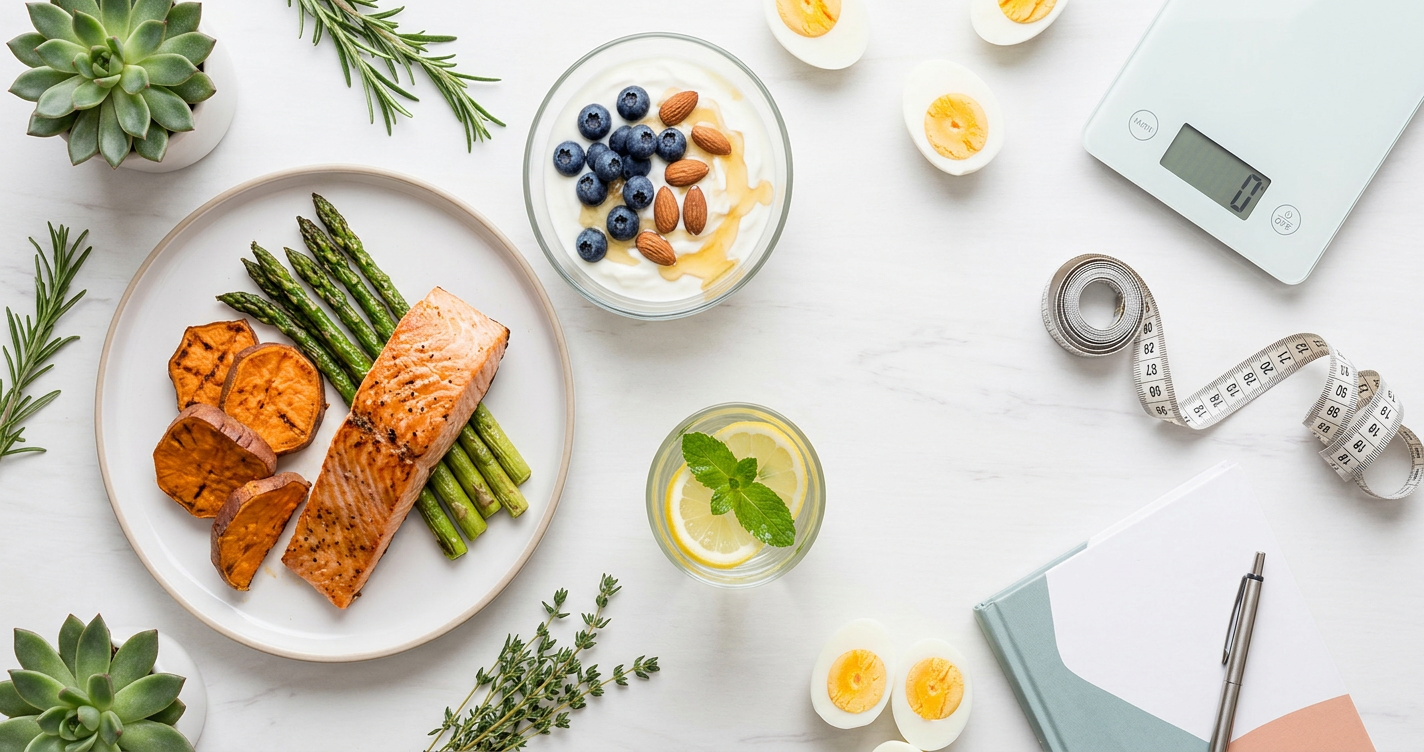
Unlock Sustainable Fat Loss: The Ultimate Guide to Protein & Calorie Deficit
Are you tired of the endless cycle of crash diets, restrictive eating, and frustrating plateaus? You're not alone. The world of fat loss is often cluttered with misinformation, quick fixes, and unsustainable trends that promise the moon but deliver disappointment. But what if we told you that achieving lasting fat loss doesn't have to be a battle? What if the secret lies in understanding two fundamental, evidence-based pillars: a strategic calorie deficit and the incredible power of protein?
This isn't another fad diet. This is a friendly, evidence-based guide designed to empower you with the knowledge and practical strategies to shed fat sustainably, maintain your results, and feel amazing in your own skin. We're going to cut through the noise and focus on what truly works, backed by science, so you can finally build a healthier, happier you. this excellent wellness product
The Non-Negotiable Truth: Understanding the Calorie Deficit
Let's start with the absolute cornerstone of fat loss: the calorie deficit. It sounds simple, and in principle, it is. To lose fat, you must consistently consume fewer calories than your body burns. Think of it like a bank account: if you spend more than you earn, your savings (fat stores) decrease.
Your body is constantly burning calories to fuel essential functions like breathing, circulation, and digestion (your Basal Metabolic Rate or BMR), plus any physical activity you do throughout the day. This total energy expenditure is often referred to as your Total Daily Energy Expenditure (TDEE). When your caloric intake consistently falls below your TDEE, your body taps into its stored energy reserves – primarily fat – for fuel. This is the definition of a calorie deficit, and it's the fundamental principle behind all effective fat loss.
So, how do you create one? The first step is to estimate your TDEE. Many reliable online calculators can help you do this by inputting your age, sex, weight, height, and activity level. Once you have an estimate, aim to create a moderate deficit of 250-500 calories per day. This translates to roughly 0.5 to 1 pound of fat loss per week, which is considered a safe, sustainable, and realistic rate. A larger deficit might tempt you with faster results, but it often leads to muscle loss, nutrient deficiencies, extreme hunger, and can be incredibly difficult to sustain, often leading to rebound weight gain.
Remember, consistency is key. A small, manageable deficit maintained over time will always yield better results than extreme, short-lived deprivation. Embrace the process, trust the science, and know that every consistent day brings you closer to your goal.
Power Up Your Plate: Why Protein is Your Fat Loss Best Friend
While a calorie deficit is the engine of fat loss, protein is the fuel that optimizes that engine for success. It's not just for bodybuilders; protein is a superhero nutrient for anyone serious about shedding fat and maintaining a healthy body composition.
Satiety & Hunger Control
One of protein's most powerful benefits for fat loss is its ability to keep you feeling full and satisfied. Protein takes longer to digest than carbohydrates or fats, leading to a sustained feeling of fullness. This means fewer cravings, less mindless snacking, and an easier time adhering to your calorie deficit. Imagine going about your day without constant hunger pangs – that's the power of adequate protein!
Thermic Effect of Food (TEF)
Did you know your body actually burns calories just to digest and process the food you eat? This is called the Thermic Effect of Food (TEF). Protein has a significantly higher TEF compared to carbs and fats. This means that roughly 20-30% of the calories you consume from protein are used just for its digestion and absorption, whereas for carbs it's 5-10% and for fats, it's 0-3%. So, by prioritizing protein, you're effectively burning a few extra calories without even trying!
Muscle Preservation
When you're in a calorie deficit, your body doesn't just want to burn fat; it also has a tendency to break down muscle tissue for energy. This is where protein steps in as your protector. A high protein intake, especially when combined with strength training, signals to your body to preserve precious muscle mass. Why is this important? Muscle is metabolically active, meaning it burns more calories at rest than fat tissue. Preserving muscle helps maintain a higher metabolism, making long-term fat loss and maintenance much easier.
So, how much protein should you aim for? A good general guideline for fat loss is to consume between 1.6 to 2.2 grams of protein per kilogram of body weight (or 0.7 to 1 gram per pound). Focus on lean sources like chicken breast, turkey, fish, lean beef, eggs, Greek yogurt, cottage cheese, tofu, lentils, and protein powder supplements if needed. Spread your protein intake throughout the day to maximize its benefits.
Putting It All Together: Practical Strategies for Success
Understanding the science is one thing; putting it into practice is another. Here are actionable strategies to seamlessly integrate calorie deficits and high protein into your daily life:
Track Smart, Not Hard
Initially, using a food tracking app (like MyFitnessPal or Cronometer) for a few weeks can be incredibly insightful. It helps you understand the caloric and protein content of your usual meals. You don't need to track forever, but it's a powerful tool for learning and adjusting. Focus on consistency rather than perfection.
Prioritize Whole Foods
Opt for nutrient-dense, whole foods over processed ones. Whole foods typically have more fiber, vitamins, and minerals, which contribute to satiety and overall health, making your calorie deficit feel less restrictive. Think fruits, vegetables, lean proteins, and whole grains.
Meal Planning & Preparation
"Failing to plan is planning to fail." This rings especially true for fat loss. Dedicate some time each week to plan your meals and snacks. Prepping some protein sources (like grilled chicken or hard-boiled eggs) and chopping vegetables in advance can save you time and ensure you have healthy options readily available, reducing the likelihood of impulse unhealthy choices.
Hydration is Key
Don't underestimate the power of water. Staying well-hydrated can help with satiety, boost your metabolism slightly, and often, what we perceive as hunger is actually thirst. Aim for at least 8 glasses of water a day, more if you're active.
Don't Forget Fiber
While protein is paramount, fiber works synergistically with it to enhance satiety and support gut health. Foods rich in fiber (fruits, vegetables, legumes, whole grains) add volume to your meals without many calories, further aiding your deficit.
Beyond the Plate: Lifestyle Factors That Support Fat Loss
Fat loss isn't just about what you eat; it's a holistic endeavor. Your lifestyle choices play a significant role in your success.
Sleep: The Unsung Hero
Lack of sleep can sabotage your fat loss efforts significantly. Poor sleep disrupts hormones that regulate hunger (ghrelin) and satiety (leptin), making you feel hungrier and less satisfied. It also increases cortisol, a stress hormone linked to increased fat storage, particularly around the midsection. Aim for 7-9 hours of quality sleep per night.
Stress Management
Chronic stress also elevates cortisol levels, which can make fat loss incredibly challenging. Find healthy ways to manage stress, whether it's through meditation, yoga, spending time in nature, or engaging in hobbies you love. Your mental well-being is just as important as your physical health.
Movement & Activity
While a calorie deficit is primary, increasing your physical activity boosts your TDEE, making it easier to create that deficit. Incorporate both structured exercise (like strength training, which is fantastic for muscle preservation, and cardio) and Non-Exercise Activity Thermogenesis (NEAT) – simple things like taking the stairs, walking more, or fidgeting. Every bit of movement adds up!
Patience and Consistency
Sustainable fat loss is a marathon, not a sprint. There will be days when you're off track, and that's perfectly normal. The key is to get back on track consistently. Celebrate small victories, be kind to yourself, and understand that progress isn't always linear. True, lasting change takes time and persistence.
Busting Common Fat Loss Myths (Briefly)
- "Starvation Mode": While prolonged, extreme calorie restriction can slow metabolism, a moderate deficit won't halt your fat loss.
- "Spot Reduction": You cannot choose where your body loses fat from. Fat loss occurs systemically across your body.
- "Carbs are Evil": Carbs are not inherently bad. The quantity and type of carbs matter, and they provide essential energy.
Conclusion: Your Journey to Sustainable Fat Loss Starts Now
You now have the fundamental tools to embark on a successful and sustainable fat loss journey. Forget the quick fixes and restrictive diets. Embrace the power of a strategic calorie deficit and the incredible benefits of protein. Combine these with smart lifestyle choices – quality sleep, stress management, and consistent movement – and you're not just losing fat; you're building a healthier, more resilient you.
This isn't about perfection; it's about progress, consistency, and self-compassion. Start small, make one positive change today, and build from there. You have the power to transform your body and your relationship with food, all while feeling energized and nourished. You've got this!