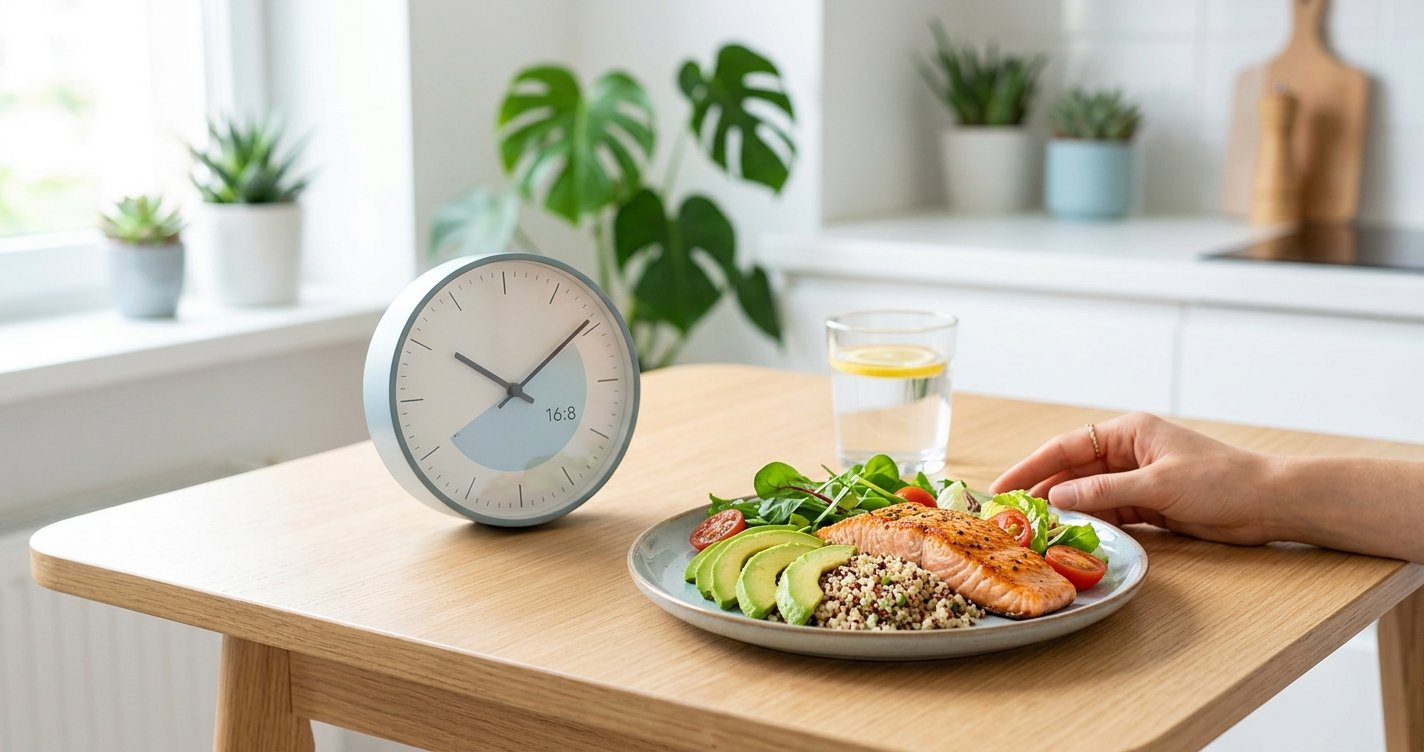
Tired of complicated diets, calorie counting, and feeling deprived? What if there was a flexible, evidence-based approach that could help you shed stubborn fat, boost your metabolism, and even simplify your daily routine? Enter Intermittent Fasting (IF) – not a diet in the traditional sense, but an eating pattern that focuses on when you eat, rather than solely what you eat.
Intermittent Fasting has surged in popularity, and for good reason. It’s a powerful tool for sustainable fat loss, offering a refreshing alternative to restrictive meal plans. In this friendly, science-backed guide, we’ll dive deep into how IF works, explore its incredible benefits, and provide you with a step-by-step roadmap to integrate it seamlessly into your life. Get ready to discover a path to a healthier, leaner you without the constant struggle! this excellent wellness product
What Exactly is Intermittent Fasting?
At its core, Intermittent Fasting involves cycling between periods of eating and voluntary fasting. It’s not about starving yourself; it’s about creating an intentional window each day or week where you abstain from food. During your fasting window, your body gets a break from constantly digesting food, allowing it to tap into stored energy (hello, fat!) and engage in powerful cellular repair processes.
Unlike traditional diets that dictate specific foods or portion sizes, IF is more about the timing of your meals. This flexibility makes it incredibly adaptable to various lifestyles and preferences, which is a major reason why so many people find it sustainable for long-term fat loss and health.
How Does Intermittent Fasting Aid Fat Loss? The Science Behind It
The magic of Intermittent Fasting for fat loss isn't just about eating less; it's about optimizing your body's hormonal and metabolic functions. Let's explore the science:
Insulin Sensitivity: Your Fat-Burning Friend
When you eat, especially carbohydrates, your body releases insulin. Insulin's job is to shuttle glucose (sugar) from your bloodstream into your cells for energy. However, high and frequent insulin levels signal to your body to store fat and make it harder to access existing fat stores for energy. During a fasting period, insulin levels drop significantly. This low-insulin state allows your body to more easily tap into its stored body fat for fuel, turning you into a more efficient fat-burning machine!
Harnessing Human Growth Hormone (HGH)
Believe it or not, fasting can dramatically increase the production of Human Growth Hormone (HGH). HGH is a powerful hormone that plays a crucial role in fat loss and muscle preservation. Higher HGH levels during fasting mean your body is primed to burn fat while helping to maintain your precious muscle mass – a win-win for body composition.
The Metabolic Switch: From Sugar to Fat Burner
Typically, your body prefers to burn glucose (sugar) for energy. However, when you fast for an extended period (usually 12-16 hours), your glucose stores deplete. At this point, your body undergoes a 'metabolic switch,' transitioning to burning stored fat for fuel. This process can lead to the production of ketones, which are energy molecules derived from fat. This shift is key to unlocking your body's fat-burning potential.
Calorie Reduction (Naturally!)
While not the primary mechanism, a natural reduction in overall calorie intake often occurs with Intermittent Fasting. By condensing your eating into a shorter window, you naturally have fewer opportunities to eat, which can lead to consuming fewer calories without strict counting or feeling deprived. This effortless calorie control is a huge advantage for fat loss.
Popular Intermittent Fasting Methods for Beginners
There are several ways to practice Intermittent Fasting, each with its own rhythm. Here are the most popular, starting with the most beginner-friendly:
The 16/8 Method (Leangains)
This is arguably the most popular and easiest method to start with. It involves fasting for 16 hours and having an 8-hour eating window. For example, you might skip breakfast, eat your first meal at 1 PM, and finish your last meal by 9 PM. Many find this fits well into their daily routine.
The 5:2 Diet
With the 5:2 method, you eat normally for five days of the week and restrict your calorie intake to 500-600 calories on two non-consecutive days. For example, you might eat normally Monday, Tuesday, Thursday, Friday, Saturday, and have your restricted days on Wednesday and Sunday.
Eat-Stop-Eat
This method involves a 24-hour fast, once or twice a week. For instance, you might finish dinner on Monday at 7 PM and not eat again until dinner on Tuesday at 7 PM. This is a more advanced method and often recommended after you've become comfortable with 16/8.
Getting Started with Intermittent Fasting: A Step-by-Step Guide
Ready to give IF a try? Here's how to ease into it for sustainable success:
1. Start Slow and Listen to Your Body
Don't jump straight into a 24-hour fast! Begin with the 16/8 method. If 16 hours feels too long initially, try 12 or 14 hours and gradually extend your fasting window over a few days or weeks. Pay attention to how you feel. Mild hunger is normal, but extreme dizziness or fatigue means you should re-evaluate.
2. Prioritize Hydration
During your fasting window, you can (and should!) drink plenty of water, black coffee, unsweetened tea, or sparkling water. These beverages help keep you hydrated and can curb hunger pangs. Avoid anything with calories, as this will break your fast.
3. Focus on Nutrient-Dense Foods During Your Eating Window
Intermittent Fasting is not an excuse to eat junk food. To maximize fat loss and overall health, focus on whole, unprocessed foods during your eating window. Prioritize lean proteins (chicken, fish, beans), healthy fats (avocado, nuts, olive oil), complex carbohydrates (whole grains, sweet potatoes), and plenty of fruits and vegetables. This ensures you get all the essential nutrients your body needs.
4. Plan Your Meals
Having a loose plan for your eating window can prevent overeating or making poor food choices out of extreme hunger. Think about two or three balanced meals you can enjoy.
5. Stay Active (But Don't Overdo It!)
Moderate exercise during your fasting window is generally safe and can even enhance fat burning. However, listen to your body. If you're new to IF, perhaps schedule your more intense workouts during your eating window or slightly after your first meal.
Beyond Fat Loss: Unexpected Benefits of Intermittent Fasting
While fat loss is a primary motivator, Intermittent Fasting offers a wealth of other health advantages:
- Enhanced Brain Function: Studies suggest IF can improve cognitive function, memory, and protect against neurodegenerative diseases by promoting cellular repair (autophagy) and stimulating the production of brain-derived neurotrophic factor (BDNF).
- Improved Longevity Markers: By triggering cellular repair processes and reducing oxidative stress, IF has been linked to potential anti-aging effects and improvements in various markers associated with a longer, healthier lifespan.
- Reduced Inflammation: Chronic inflammation is a root cause of many diseases. IF has been shown to reduce inflammatory markers in the body.
- Simplicity and Time-Saving: Skipping a meal (like breakfast) or consolidating your eating window means less time spent preparing, eating, and cleaning up meals, freeing up valuable time in your day.
Who Should Be Cautious or Avoid Intermittent Fasting?
While generally safe for most healthy adults, Intermittent Fasting isn't for everyone. It's crucial to consult with your doctor or a healthcare professional before starting IF, especially if you:
- Are pregnant or breastfeeding.
- Have a history of eating disorders.
- Have diabetes or blood sugar regulation issues.
- Are on medication, especially for blood pressure or blood sugar.
- Are underweight or have a medical condition.
- Are a child or adolescent.
Conclusion: Embrace a Sustainable Path to a Healthier You
Intermittent Fasting offers a powerful, flexible, and sustainable approach to fat loss and overall health improvement. By understanding its mechanisms and implementing it thoughtfully, you can unlock your body's natural fat-burning potential, enjoy increased energy, and experience a host of other health benefits.
Remember, consistency and listening to your body are key. Start slow, stay hydrated, and nourish your body with wholesome foods during your eating window. Intermittent Fasting isn't just another diet; it's a lifestyle shift that can empower you to take control of your health and achieve lasting, sustainable fat loss. Are you ready to embrace the simplicity and effectiveness of IF? Your journey to a leaner, healthier you starts now!