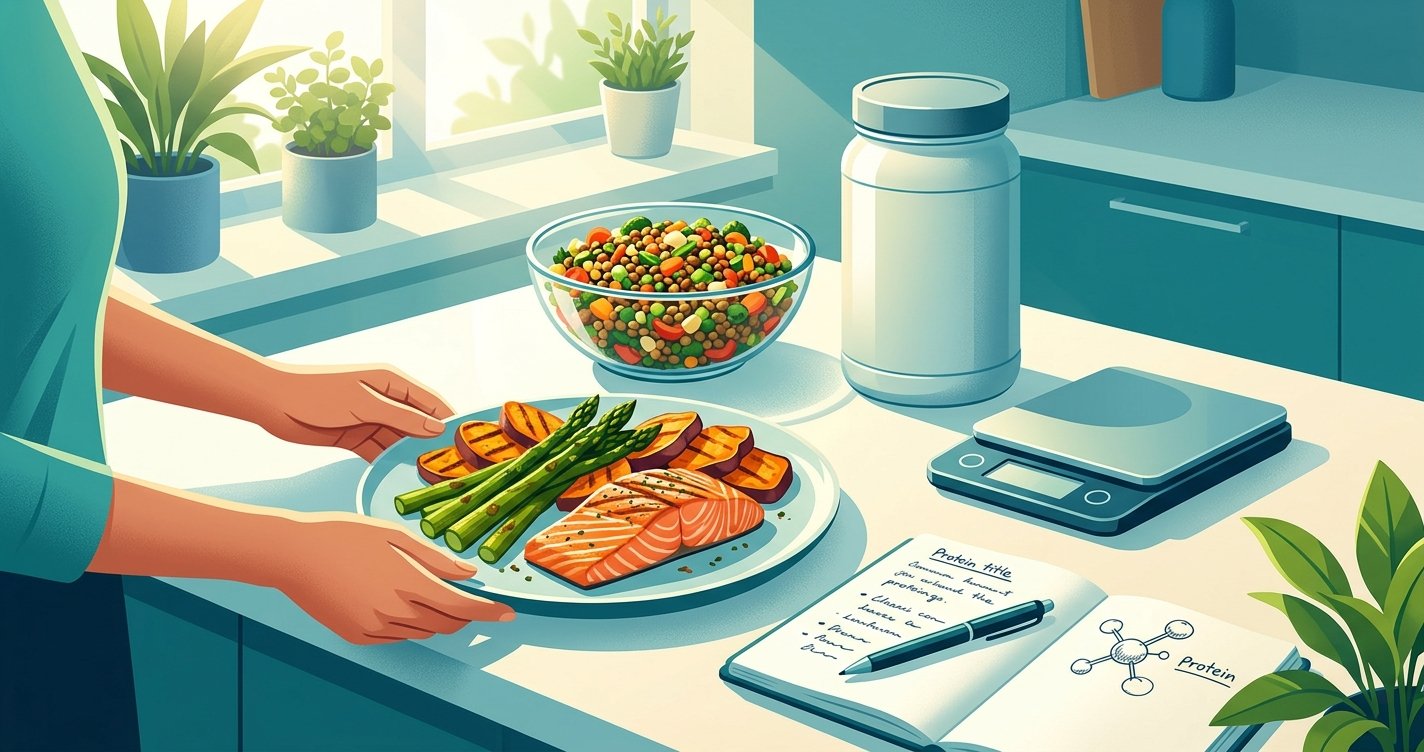
Embarking on a fat loss journey can feel overwhelming. With countless diets, fads, and conflicting advice circulating, it's easy to get lost. But what if we told you that sustainable, effective fat loss doesn't require extreme deprivation or complicated rules? It boils down to understanding two powerful, evidence-based principles: creating a calorie deficit and harnessing the incredible power of protein. This isn't about quick fixes; it's about building habits that last, fueling your body, and achieving results you can maintain. Let's dive in and demystify the science behind lasting fat loss, making it friendly, approachable, and truly effective.
Understanding the Calorie Deficit: The Golden Rule of Fat Loss
At its core, fat loss is a matter of energy balance. Think of your body as a sophisticated energy system. You consume energy (calories) through food and drink, and you expend energy through daily activities, exercise, and basic bodily functions. To lose fat, you need to consistently consume fewer calories than your body burns. This state is known as a 'calorie deficit.' this excellent wellness product
How a Calorie Deficit Works
When you're in a calorie deficit, your body has to tap into its stored energy reserves – primarily body fat – to make up the difference. It's a fundamental biological principle: no consistent calorie deficit, no fat loss. It’s that simple. However, the key here is 'consistent' and 'moderate.' Crash diets that impose extreme deficits are often unsustainable, lead to muscle loss, nutrient deficiencies, and can even harm your metabolism in the long run.
Finding Your Sweet Spot
So, how do you create a calorie deficit? First, you need an estimate of your Total Daily Energy Expenditure (TDEE) – the total number of calories your body burns in a day. You can use online calculators that factor in your age, weight, height, gender, and activity level. Once you have your TDEE, a sustainable and healthy deficit typically ranges from 250 to 500 calories per day. This allows for steady fat loss (around 0.5 to 1 pound per week) without feeling overly deprived or risking excessive muscle loss. Remember, this is a starting point; listen to your body and adjust as needed.
The Power of Protein: Your Fat Loss Ally
While a calorie deficit is the engine of fat loss, protein is the fuel that makes the engine run efficiently and effectively. Often overlooked or underestimated, adequate protein intake is a game-changer for anyone looking to shed body fat while preserving precious muscle mass.
Why Protein is Non-Negotiable for Fat Loss:
- Satiety Superstar: Protein is incredibly satiating. It helps you feel fuller for longer compared to carbohydrates or fats, reducing overall calorie intake and curbing those pesky cravings.
- Muscle Preservation: When you're in a calorie deficit, your body can sometimes break down muscle tissue for energy, not just fat. High protein intake signals to your body to hold onto muscle, ensuring that the weight you lose is primarily fat. More muscle also means a higher resting metabolism!
- Higher Thermic Effect (TEF): Protein has a higher thermic effect of food (TEF) than carbs or fats. This means your body expends more energy (burns more calories) to digest, absorb, and metabolize protein. It’s a small boost, but every bit helps!
- Repair and Recovery: For those incorporating exercise, protein is essential for repairing muscle tissue and promoting recovery, allowing you to stay consistent with your workouts.
How Much Protein Do You Need?
For optimal fat loss and muscle preservation, current recommendations often suggest a higher protein intake than the standard dietary guidelines. Aim for approximately 1.6 to 2.2 grams of protein per kilogram of body weight (or 0.7 to 1 gram per pound of target body weight). Spread your protein intake throughout the day across all your meals and snacks to maximize its benefits.
Excellent Protein Sources:
- Lean meats (chicken breast, turkey, lean beef)
- Fish and seafood (salmon, cod, tuna)
- Eggs
- Dairy (Greek yogurt, cottage cheese, milk)
- Legumes (lentils, beans, chickpeas)
- Tofu and tempeh
- Protein powder (whey, casein, plant-based)
Crafting Your Plate: Practical Strategies for Protein & Calorie Control
Knowing the theory is one thing; putting it into practice is another. Here’s how to build meals that support your fat loss goals:
Prioritize Protein at Every Meal
Make protein the star of your plate. Whether it's breakfast, lunch, or dinner, ensure you have a solid source of protein. Start your day with eggs or Greek yogurt, add chicken or fish to your lunch salad, and make lean meat or tofu the centerpiece of your dinner.
Load Up on Fiber-Rich Vegetables
Vegetables are your secret weapon. They are low in calories, high in fiber, and packed with essential nutrients. Fiber adds volume to your meals, making you feel full without adding many calories. Fill half your plate with non-starchy vegetables like broccoli, spinach, bell peppers, or green beans.
Smart Carbohydrate Choices
Don't fear carbs! Just choose wisely. Opt for complex carbohydrates like whole grains (oats, quinoa, brown rice), sweet potatoes, and fruits. These provide sustained energy and fiber. Portion control is key here; combine them with protein and vegetables.
Healthy Fats in Moderation
Fats are essential for hormone production and nutrient absorption. Include sources like avocados, nuts, seeds, and olive oil. However, fats are calorie-dense, so be mindful of portion sizes, even with healthy options.
Mindful Snacking
If you need snacks, make them count. Reach for protein-rich options like Greek yogurt, a handful of almonds, cottage cheese, or a hard-boiled egg. These will keep you satisfied and prevent overeating at your next meal.
Tracking your food intake, at least initially, can be incredibly helpful to understand your current calorie and protein consumption. Apps like MyFitnessPal or Cronometer can provide valuable insights, but remember, they are tools, not a life sentence. The goal is to learn and then apply these principles intuitively.
Beyond the Plate: Lifestyle Factors Supporting Your Journey
While nutrition is paramount, sustainable fat loss is a holistic endeavor. Several lifestyle factors play a crucial role in supporting your efforts:
The Underrated Power of Sleep
Poor sleep can sabotage your fat loss efforts. Lack of sleep disrupts hunger hormones (ghrelin and leptin), making you hungrier and less satisfied after eating. It also increases cortisol, a stress hormone linked to fat storage, particularly around the belly. Aim for 7-9 hours of quality sleep per night.
Stress Management
Chronic stress also elevates cortisol levels, which can make fat loss challenging. Find healthy ways to manage stress, whether it's through meditation, yoga, spending time in nature, or engaging in hobbies you love.
Hydration is Key
Often overlooked, adequate water intake is vital. Sometimes, your body can confuse thirst with hunger. Drinking plenty of water can help you feel full, support metabolism, and aid in overall bodily functions. Keep a water bottle handy and sip throughout the day.
Move Your Body
While you can't out-exercise a bad diet, physical activity plays a crucial role. Incorporate a mix of strength training (to build and preserve muscle) and cardiovascular exercise (for heart health and additional calorie expenditure). Find activities you enjoy, making movement a sustainable part of your routine.
Navigating Challenges & Staying Motivated
The path to fat loss isn't always linear. There will be plateaus, slip-ups, and moments of frustration. Here's how to navigate them with grace and stay on track:
- Embrace Consistency, Not Perfection: One 'bad' meal or even a 'bad' day won't derail your progress. It's what you do most of the time that counts. Get back on track with your next meal.
- Understand Plateaus: Your body is incredibly adaptive. As you lose weight, your TDEE decreases. If progress stalls, reassess your calorie intake (you might need a slightly deeper deficit), increase your activity, or consider a 'diet break' for a week to reset.
- Plan for Social Situations: Eating out or attending events doesn't have to be a diet destroyer. Look at menus beforehand, choose protein-rich options, ask for sauces on the side, and practice mindful portion control.
- Focus on Non-Scale Victories: The scale is just one metric. Celebrate increased energy, better sleep, clothes fitting better, improved strength, and enhanced mood. These are powerful motivators!
- Patience and Self-Compassion: Sustainable fat loss takes time. Be patient with yourself, learn from your experiences, and avoid negative self-talk. This is a journey of self-improvement, not self-punishment.
Your Sustainable Fat Loss Journey Starts Now
You now have the fundamental tools for sustainable fat loss: a clear understanding of the calorie deficit and the undeniable power of protein. By focusing on these two pillars, supported by healthy lifestyle choices, you're not just losing weight; you're building a healthier, stronger you. Remember, this is about nourishing your body, making informed choices, and fostering a positive relationship with food and yourself. Take it one meal, one day, one healthy choice at a time. You've got this!