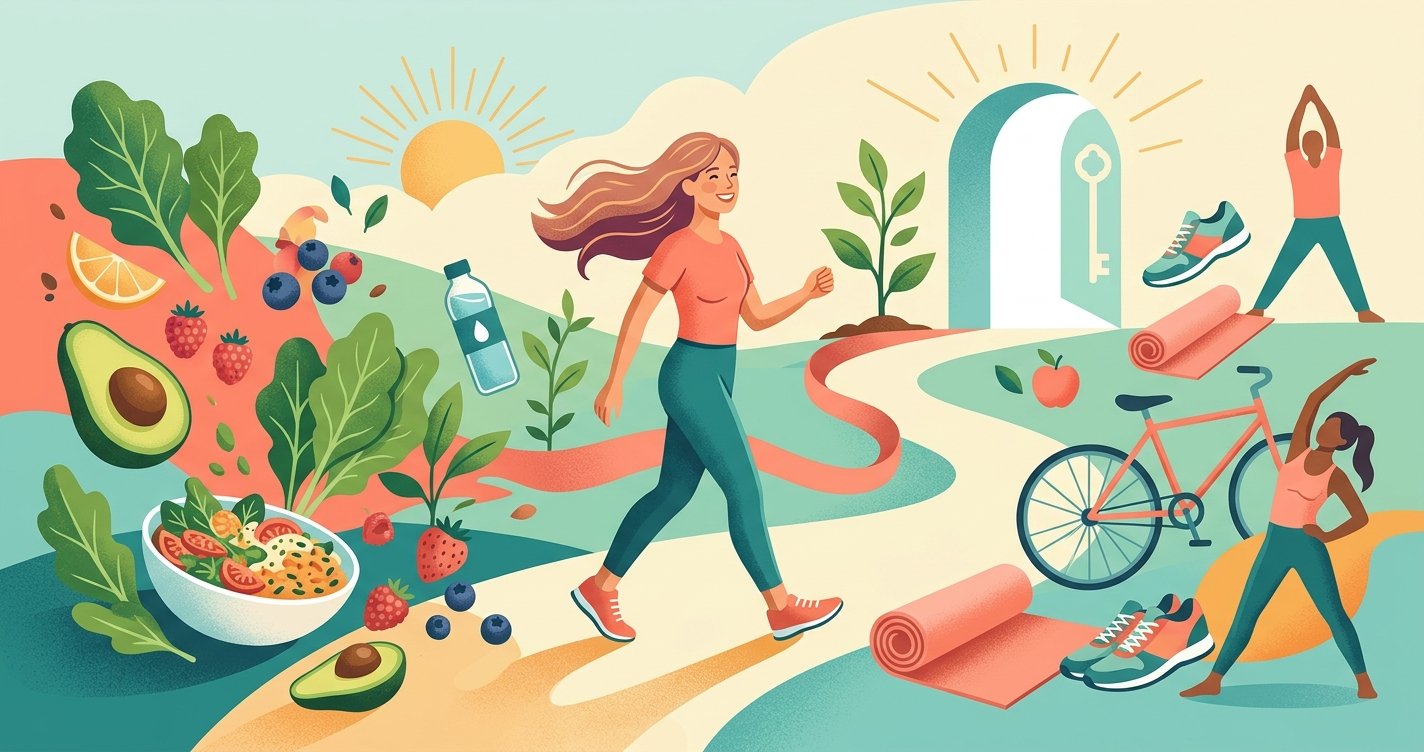
Are you tired of the diet rollercoaster? The endless cycle of restricting, losing a few pounds, only to gain them back (and sometimes more)? You're not alone. Millions struggle with finding a truly sustainable path to fat loss that doesn't involve deprivation, guilt, or constant calorie counting. What if we told you there's a different way? A path focused on building healthy, enjoyable habits that not only lead to lasting fat loss but also improve your overall well-being and relationship with food.
Welcome to the world of non-diet fat loss – an evidence-based approach that prioritizes self-compassion, mindful living, and sustainable lifestyle changes over quick fixes and extreme restrictions. This isn't about giving up on your goals; it's about achieving them in a way that truly sticks, without sacrificing your sanity or joy. Let's explore how you can break free from the diet mentality and embrace a journey towards lasting health and a body you feel great in. this excellent wellness product
Why Traditional Diets Often Fail (and What to Do Instead)
The diet industry is a multi-billion-dollar machine, yet statistics show that the vast majority of diets fail in the long term. Why? Because they're often unsustainable, extreme, and create a negative psychological relationship with food. They focus on what you can't have, triggering feelings of deprivation that often lead to eventual overeating or 'falling off the wagon.'
Traditional diets can:
- Slow down your metabolism due to drastic calorie restriction.
- Lead to nutrient deficiencies.
- Increase stress and anxiety around food choices.
- Promote an 'all-or-nothing' mindset that undermines consistency.
- Contribute to weight cycling, which can be more detrimental to health than stable, higher weight.
Our non-diet approach shifts the focus from temporary fixes to permanent lifestyle upgrades. It’s about understanding your body, honoring its hunger and fullness cues, and making choices that nourish you physically and mentally, leading to natural, sustainable fat loss.
The Power of Mindful Eating for Sustainable Fat Loss
One of the cornerstones of a non-diet approach is mindful eating. This isn't a diet; it's a practice of paying attention to your food, your body, and your eating experience without judgment. It helps you reconnect with your body's innate wisdom about hunger and satiety, often lost in a world of external diet rules.
How to Practice Mindful Eating:
- Tune In Before You Eat: Ask yourself, "Am I truly hungry? What kind of hunger is this?" (physical, emotional, habitual?).
- Engage Your Senses: Notice the colors, textures, aromas, and flavors of your food.
- Eat Slowly: Put your fork down between bites. Chew thoroughly. This gives your brain time to register fullness.
- Listen to Your Body: Stop eating when you feel comfortably satisfied, not stuffed.
- Eliminate Distractions: Turn off the TV, put away your phone. Focus solely on your meal.
Mindful eating helps you recognize when you're eating for reasons other than physical hunger (like stress, boredom, or emotion). By addressing these underlying triggers, you naturally reduce unnecessary calorie intake and foster a healthier relationship with food, paving the way for sustainable fat loss without feeling deprived.
Fueling Your Body Smartly: Beyond Restriction
A non-diet approach doesn't mean ignoring nutrition. It means focusing on nutrient density and satisfaction, rather than just calorie counting. When you provide your body with the right fuel, it functions optimally, supports a healthy metabolism, and helps regulate appetite naturally.
Key Nutritional Principles:
- Prioritize Protein: Protein is incredibly satiating, helps preserve muscle mass (which is crucial for metabolism), and requires more energy to digest. Include a source of lean protein at every meal (chicken, fish, eggs, beans, lentils, tofu).
- Embrace Fiber-Rich Foods: Found in fruits, vegetables, whole grains, and legumes, fiber helps you feel full, supports digestive health, and can slow down sugar absorption. Aim for a wide variety of colorful produce.
- Include Healthy Fats: Don't fear fats! Healthy fats from avocados, nuts, seeds, and olive oil are essential for hormone production, nutrient absorption, and satiety. They help you feel satisfied and prevent cravings.
- Choose Whole, Unprocessed Foods: Base your meals around whole foods as much as possible. These are generally more nutrient-dense and less likely to contain added sugars, unhealthy fats, and artificial ingredients that can hinder fat loss and health.
- Hydrate Adequately: Often overlooked, drinking enough water is vital for metabolism, energy levels, and can sometimes be mistaken for hunger. Aim for at least 8 glasses a day.
Instead of thinking "what can't I eat?" think "what can I add to make this meal more nourishing and satisfying?" This positive framing empowers you to make better choices without feeling like you're on a diet.
Move More, Stress Less: The Lifestyle Connection
Sustainable fat loss isn't just about what you eat; it's deeply intertwined with your overall lifestyle. Physical activity, sleep quality, and stress management play crucial roles in how your body stores and burns fat.
Integrate Movement You Enjoy:
Forget punishing workouts. Find activities you genuinely enjoy and incorporate them into your daily life. This could be:
- Strength Training: Building muscle boosts your metabolism, helping your body burn more calories even at rest. Aim for 2-3 sessions per week.
- Cardio for Heart Health: Walking, jogging, cycling, dancing, or swimming – choose what makes you happy. Regular cardio improves cardiovascular health and helps burn calories.
- NEAT (Non-Exercise Activity Thermogenesis): This includes all the movement you do outside of structured exercise – taking the stairs, parking further away, standing more, fidgeting. These small movements add up significantly throughout the day!
Prioritize Quality Sleep:
Lack of sleep can wreak havoc on your hormones, increasing ghrelin (the hunger hormone) and decreasing leptin (the satiety hormone). This makes you hungrier, less satisfied, and more prone to cravings for high-calorie foods. Aim for 7-9 hours of quality sleep per night. Create a relaxing bedtime routine and optimize your sleep environment.
Manage Stress Effectively:
Chronic stress elevates cortisol levels, a hormone that can promote fat storage, especially around the abdominal area. Find healthy ways to manage stress, such as:
- Meditation or deep breathing exercises.
- Spending time in nature.
- Engaging in hobbies.
- Connecting with loved ones.
- Journaling.
By addressing these lifestyle pillars, you create a holistic environment that naturally supports your body's ability to achieve and maintain a healthy weight.
Building a Supportive Environment: Set Yourself Up for Success
Your environment plays a huge role in your success. Making small, intentional changes to your surroundings and routine can make healthy choices easier and more automatic.
Practical Steps:
- Declutter Your Kitchen: Remove highly processed, tempting foods that don't align with your goals. Fill your pantry and fridge with nourishing whole foods.
- Meal Prep Smartly: Dedicate some time each week to plan meals, grocery shop, and do some basic prep (chopping veggies, cooking grains/protein). This saves time and ensures you have healthy options readily available.
- Seek Social Support: Share your journey with a supportive friend, family member, or join a community. Having people who encourage you can make a big difference.
- Practice Habit Stacking: Link a new healthy habit to an existing one. For example, "After I brush my teeth in the morning, I will drink a large glass of water."
- Plan Ahead for Challenges: Know your triggers and plan strategies for navigating social events, travel, or stressful periods without derailing your progress.
Patience and Persistence: Trusting the Process
Sustainable fat loss is a journey, not a race. There will be ups and downs, plateaus, and moments where you feel discouraged. This is entirely normal. The key is to approach your journey with patience, self-compassion, and persistence.
Remember:
- Consistency Over Perfection: It’s better to be consistently good than occasionally perfect. One 'off' meal or day doesn't undo your progress. Get back on track with your next meal.
- Celebrate Non-Scale Victories: Focus on more than just the number on the scale. Are you sleeping better? Do you have more energy? Are your clothes fitting better? Is your mood improved? These are all signs of progress!
- Be Kind to Yourself: If you slip up, don't beat yourself up. Learn from the experience and move forward. Self-compassion is a powerful tool for long-term success.
- Listen to Your Body: Your body is constantly giving you feedback. Pay attention to how different foods and activities make you feel. Adjust as needed.
This non-diet approach to fat loss is about building a foundation of health that supports a lean, strong body for life. It's about empowering you to make choices that feel good, nourish your body, and bring you joy, rather than feeling like a chore.
Your Journey to Lasting Fat Loss Starts Today
Breaking free from the diet cycle and embracing a non-diet approach to fat loss is one of the most empowering decisions you can make for your health. It’s about cultivating a lifestyle that naturally supports your body’s optimal weight, without the constant struggle and deprivation. By focusing on mindful eating, nutrient-dense foods, joyful movement, quality sleep, stress management, and a supportive environment, you’re not just losing fat – you’re gaining lasting health, energy, and a peaceful relationship with food and your body.
Start small. Pick one or two areas from this guide that resonate with you and begin implementing changes today. Remember, every small, consistent step forward is a victory. You deserve a sustainable path to health and happiness. Embrace the journey!