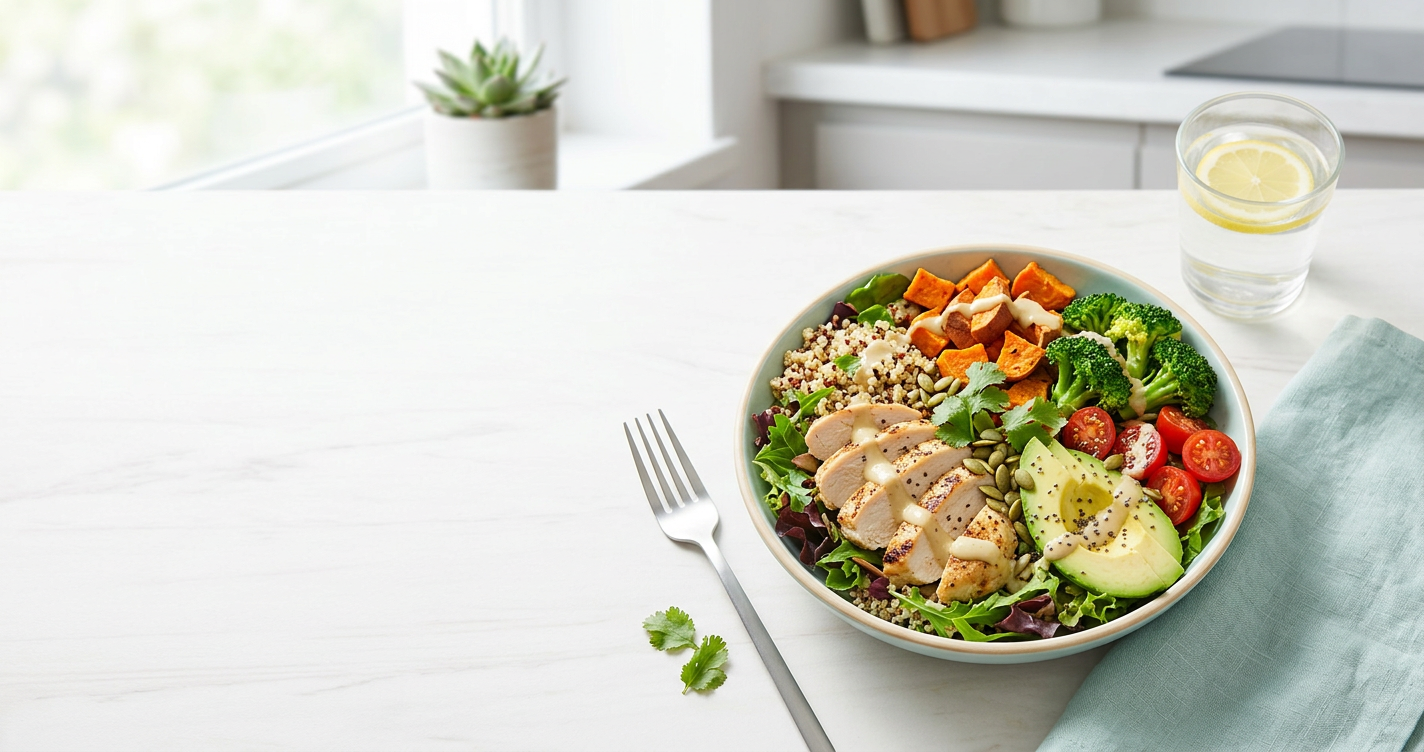
Tired of Yo-Yo Diets? Discover Sustainable Nutrition for Lasting Fat Loss
Hey there, health seeker! If you're reading this, chances are you've been on the fat loss rollercoaster – trying countless diets, seeing initial success, only to regain the weight (and sometimes more!) once the restrictive phase ends. It's frustrating, disheartening, and frankly, exhausting. But what if we told you there's a better way? A path to sustainable fat loss that doesn't involve extreme deprivation, endless hunger, or cutting out entire food groups?
Welcome to the world of sustainable nutrition! This isn't another fad diet; it's a fundamental shift in how you approach food, your body, and your long-term health. Our goal today is to equip you with evidence-based, friendly, and encouraging strategies to achieve lasting fat loss by building healthy, enjoyable eating habits that truly stick. Ready to ditch the diet mentality and embrace a lifestyle that nourishes your body and fuels your fat loss journey? Let's dive in! this excellent wellness product
Why "Diets" Often Fail: The Sustainability Trap
Before we build, let's understand why so many traditional diets crumble. The problem isn't usually a lack of willpower; it's the inherent unsustainability of the approach. Most diets are designed for short-term results, often relying on severe calorie restriction or the elimination of entire food categories (think no carbs, no fats, no fun!).
- Restriction Leads to Rebellion: When you tell yourself you "can't" have something, it often becomes all you can think about. This mental battle is draining and often leads to binges or giving up entirely.
- Nutrient Deficiencies: Cutting out whole food groups can lead to missed essential vitamins, minerals, and macronutrients vital for energy, mood, and metabolism.
- Metabolic Slowdown: Extremely low-calorie diets can signal your body to conserve energy, slowing your metabolism and making fat loss even harder in the long run.
- Psychological Toll: The constant focus on rules, guilt around food, and fear of "cheating" can damage your relationship with eating and lead to disordered patterns.
Sustainable nutrition, on the other hand, focuses on building habits you can comfortably maintain for life. It's about making smart, informed choices that support your body's needs while still allowing for flexibility and enjoyment.
The Core Pillars of Sustainable Fat Loss Nutrition
Achieving fat loss boils down to consuming fewer calories than your body burns – a concept known as a calorie deficit. However, how you achieve that deficit, and what those calories are made of, makes all the difference for sustainability and overall health.
Calorie Awareness, Not Obsession
Understanding your caloric needs is foundational. Your Basal Metabolic Rate (BMR) is what your body burns at rest, and your Total Daily Energy Expenditure (TDEE) includes your BMR plus activity. To lose fat, you generally aim for a modest deficit of 300-500 calories below your TDEE. This creates a gradual, sustainable loss of 1-2 pounds per week.
- How to Start: Use an online TDEE calculator to get an estimate. For a few days, track your food intake using an app to understand your current habits.
- Focus on Quality: While calories matter, the source of those calories is crucial. 100 calories of spinach offers vastly different nutrition and satiety than 100 calories of candy. Prioritize whole, unprocessed foods.
- Flexibility: Don't get bogged down by tracking every single calorie forever. Once you have a good understanding, you can transition to more intuitive eating, guided by hunger and fullness cues.
Protein Power: Your Satiety & Muscle Ally
Protein is arguably the most important macronutrient for fat loss. It's your secret weapon for feeling full, preserving muscle, and boosting metabolism.
- Satiety Superpower: Protein is incredibly satiating, meaning it keeps you feeling fuller for longer, reducing the likelihood of overeating and snacking between meals.
- Muscle Preservation: When you're in a calorie deficit, your body can break down muscle tissue for energy. Adequate protein intake helps protect your lean muscle mass, which is crucial because muscle burns more calories at rest than fat does.
- Thermic Effect of Food (TEF): Protein has a higher TEF than carbs or fats, meaning your body expends more energy to digest and metabolize it.
Aim for 0.7-1 gram of protein per pound of body weight daily. Great sources include lean meats (chicken, turkey, beef), fish, eggs, dairy (Greek yogurt, cottage cheese), legumes (lentils, beans), and plant-based options like tofu and tempeh.
Carbs & Fats: Fueling Your Body Smartly
No need to fear carbs or fats! Both are essential for energy, hormone production, and overall health. The key is choosing the right types and quantities.
- Smart Carbs: Focus on complex carbohydrates, which are rich in fiber and provide sustained energy, preventing blood sugar spikes and crashes. Think whole grains (oats, brown rice, quinoa), fruits, and starchy vegetables (sweet potatoes, squash). Limit refined carbs like white bread, sugary cereals, and pastries, which offer little nutritional value and can contribute to energy crashes and cravings.
- Healthy Fats: Fats are vital for hormone production, nutrient absorption, and satiety. Include sources of healthy fats like avocados, nuts, seeds, olive oil, and fatty fish (salmon, mackerel). These help keep you full and satisfied. Avoid trans fats (found in many processed foods) and limit excessive saturated fats.
Balance is key. A general guideline for macronutrient distribution for fat loss might be 30-40% protein, 30-40% carbohydrates, and 20-30% healthy fats, but individual needs vary.
The Magic of Fiber: Fullness & Gut Health
Fiber often gets overlooked but is a powerhouse for fat loss and overall well-being. It's a type of carbohydrate that your body can't digest, and it comes in two forms:
- Soluble Fiber: Dissolves in water, forming a gel-like substance that slows digestion, helps regulate blood sugar, and can lower cholesterol. Found in oats, beans, apples, and citrus fruits.
- Insoluble Fiber: Adds bulk to your stool, promoting regular bowel movements and gut health. Found in whole grains, vegetables, and fruit skins.
Fiber-rich foods help you feel full with fewer calories, stabilize blood sugar, and support a healthy gut microbiome, which is increasingly linked to weight management. Load up on vegetables, fruits, whole grains, and legumes!
Beyond Macros: Mindful Eating & Lifestyle Habits
Nutrition isn't just about what you eat; it's also about how you eat and the habits that surround your meals.
Mindful Eating: Reconnecting with Your Body's Signals
In our fast-paced world, many of us eat mindlessly – while working, watching TV, or scrolling through our phones. Mindful eating means paying attention to your food, your body's hunger and fullness cues, and the experience of eating.
- Slow Down: It takes about 20 minutes for your stomach to signal to your brain that it's full. Eating slowly gives your body time to register satiety.
- Savor Each Bite: Pay attention to the flavors, textures, and aromas of your food. Enjoy the experience.
- Listen to Your Body: Eat when you're truly hungry, and stop when you're comfortably full, not stuffed.
- Eliminate Distractions: Turn off the TV, put away your phone, and focus solely on your meal.
This practice can help you eat less, enjoy your food more, and foster a healthier relationship with eating.
Hydration is Key: Don't Forget Water!
Often underestimated, proper hydration plays a significant role in fat loss. Water helps your metabolism function optimally, aids in nutrient transport, and can even help with satiety. Sometimes, what feels like hunger is actually thirst. Aim for at least 8 glasses of water a day, and more if you're active.
Meal Planning & Preparation: Your Secret Weapon
Failing to plan is planning to fail, especially when it comes to nutrition. Meal planning and prepping can drastically improve your consistency and adherence to your healthy eating goals.
- Schedule Your Meals: Decide what you'll eat for the week, including snacks.
- Grocery Shop Smart: Buy only what you need for your planned meals to avoid impulse purchases of unhealthy items.
- Batch Cook: Dedicate a few hours on a weekend to prepare components of your meals (e.g., cook a batch of chicken, roast vegetables, cook quinoa) so healthy options are readily available during busy weekdays.
- Pack Your Lunches: This saves money and ensures you have a nutritious meal instead of relying on less healthy takeout options.
Common Pitfalls & How to Overcome Them
The journey to sustainable fat loss isn't always linear. You'll encounter challenges, and that's okay! Here's how to navigate some common ones:
- Plateaus: Your body adapts. When fat loss stalls, reassess your intake, increase your activity, or try a refeed day to kickstart your metabolism. Don't panic; it's normal.
- Social Eating: Dining out or attending social gatherings can be tricky. Plan ahead – check menus online, offer to bring a healthy dish, or simply practice moderation. Enjoy the company, and allow for flexibility without overdoing it.
- Emotional Eating: Food can be a coping mechanism for stress, boredom, or sadness. Identify your triggers and find alternative ways to cope, such as exercise, meditation, hobbies, or talking to a friend.
It's a Journey, Not a Race: Embrace Progress, Not Perfection
Sustainable fat loss isn't about rapid, dramatic changes. It's about consistent, small improvements that accumulate over time. There will be days you slip up, and that's perfectly normal. Don't let one less-than-perfect meal derail your entire week. Acknowledge it, learn from it, and get right back on track with your next meal.
Celebrate non-scale victories – increased energy, better sleep, clothes fitting better, improved mood, stronger workouts. These are powerful indicators of progress that go beyond the number on the scale. Be patient, be kind to yourself, and trust the process.
Your Sustainable Fat Loss Journey Starts Now!
You have the power to transform your relationship with food and achieve lasting fat loss. By focusing on calorie awareness, prioritizing protein and fiber, making smart choices with carbs and fats, and embracing mindful eating and consistent habits, you're not just going on a diet – you're building a sustainable, healthy lifestyle.
Remember, this is your journey. Listen to your body, make choices that feel good, and know that every small, consistent effort adds up to significant, lasting results. You've got this!