Are you tired of the endless cycle of restrictive diets, quick fixes, and the inevitable rebound? Many of us have been there, chasing the latest trend only to find ourselves back at square one, feeling frustrated and defeated. The truth is, achieving sustainable fat loss isn't about deprivation or magic pills; it's about building consistent, evidence-based nutrition habits that you can maintain for life. This isn't a race; it's a journey towards a healthier, happier you, and we're here to guide you with a friendly, encouraging, and scientifically sound approach.
In this comprehensive guide, we'll dive deep into practical nutrition strategies that empower you to shed unwanted fat, improve your health, and keep the results long-term. Forget the fads – let's focus on what truly works for your body and your lifestyle. this excellent wellness product
Why "Quick Fixes" Don't Last: The Science of Sustainability
The allure of rapid weight loss is powerful, but severe calorie restriction and highly restrictive diets often lead to a phenomenon known as "yo-yo dieting." While you might see initial results, these approaches are rarely sustainable. Here's why:
- Metabolic Adaptation: Your body is incredibly smart. When calories are drastically cut, your metabolism can slow down to conserve energy, making it harder to continue losing fat and easier to regain it once you stop the diet.
- Nutrient Deficiencies: Restrictive diets often cut out entire food groups, potentially leading to a lack of essential vitamins, minerals, and macronutrients crucial for overall health.
- Psychological Impact: Constant hunger, cravings, and the feeling of deprivation can lead to binge eating, food obsession, and a negative relationship with food. This makes adherence extremely difficult in the long run.
Sustainable fat loss, on the other hand, prioritizes gradual, consistent changes that foster a positive relationship with food and your body. It's about creating habits you can stick with, not just for a few weeks, but for years to come.
Building Your Foundation: The Pillars of Sustainable Nutrition
Let's lay the groundwork with the core principles that will guide your fat loss journey.
Calorie Awareness, Not Obsession: Understanding Your Energy Balance
At its core, fat loss comes down to creating a calorie deficit – consuming fewer calories than your body burns. However, this doesn't mean meticulously counting every single calorie for the rest of your life. It means understanding your body's energy needs and making informed choices.
- Estimate Your Needs: Tools like online TDEE (Total Daily Energy Expenditure) calculators can give you a starting point for how many calories your body burns daily.
- Create a Moderate Deficit: Aim for a modest deficit of 300-500 calories below your maintenance level. This allows for steady fat loss (typically 1-2 pounds per week) without triggering drastic metabolic slowdown or intense hunger.
- Focus on "Calorie Density": Learn which foods offer more nutrients for fewer calories (e.g., vegetables, lean proteins) and which are calorie-dense but nutrient-poor (e.g., highly processed snacks).
Think of calorie awareness as a compass, guiding your choices, rather than a rigid rulebook. It's about making smart swaps and being generally mindful.
Prioritize Protein: Your Satiety & Muscle Guardian
If there's one macronutrient to prioritize for fat loss, it's protein. Here's why it's a game-changer:
- Increased Satiety: Protein is incredibly filling. Including enough protein in your meals helps you feel fuller for longer, reducing overall calorie intake and curbing cravings.
- Muscle Preservation: When you're in a calorie deficit, your body can sometimes break down muscle tissue for energy. Adequate protein intake, especially when combined with strength training, helps preserve precious muscle mass, which is crucial for a healthy metabolism.
- Higher Thermic Effect: Your body burns more calories digesting protein compared to fats or carbohydrates. This means a slightly higher metabolic boost from protein-rich foods.
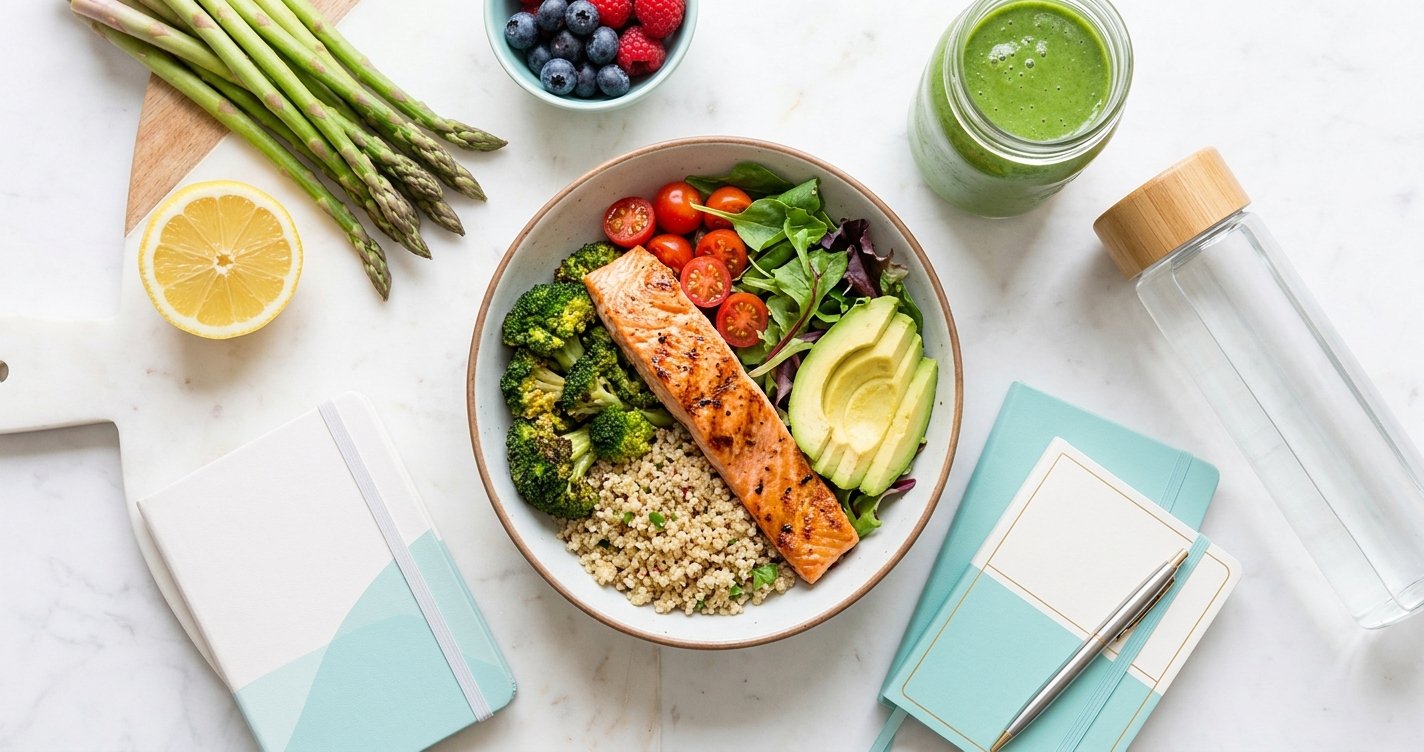
Excellent Protein Sources: Lean meats (chicken, turkey), fish (salmon, cod), eggs, Greek yogurt, cottage cheese, legumes (lentils, beans), tofu, tempeh, and protein powder.
Embrace Whole Foods: Fueling Your Body with Nutrient Density
Ditch the highly processed, refined foods and fill your plate with vibrant, nutrient-dense whole foods. These foods are minimally processed and retain their natural vitamins, minerals, and fiber.
- Fruits and Vegetables: Packed with fiber, vitamins, and antioxidants, they provide volume and nutrients with relatively few calories. Aim for a rainbow of colors!
- Whole Grains: Opt for oats, brown rice, quinoa, and whole-wheat bread over refined grains. They provide sustained energy, fiber, and essential nutrients.
- Healthy Fats: Don't fear fats! Avocados, nuts, seeds, and olive oil are vital for hormone function, nutrient absorption, and satiety. Just remember they are calorie-dense, so portion control is key.
By focusing on whole foods, you naturally reduce your intake of added sugars, unhealthy fats, and empty calories, making fat loss a more effortless and enjoyable process.
Beyond the Plate: Mindset & Habits for Lasting Change
Nutrition isn't just about what you eat; it's also about how you eat and your overall lifestyle.
Mindful Eating: Reconnecting with Your Body's Signals
In our fast-paced world, we often eat on autopilot, distracted by screens or stress. Mindful eating encourages you to pay attention to your body's hunger and fullness cues, savor your food, and appreciate the experience.
- Slow Down: Put your fork down between bites, chew thoroughly, and take your time.
- Tune In: Notice the flavors, textures, and aromas of your food. Ask yourself if you're truly hungry or eating out of boredom, stress, or habit.
- Stop When Satisfied: Aim to eat until you're comfortably full, not stuffed.
Mindful eating can significantly reduce overeating and help you develop a healthier, more intuitive relationship with food, moving away from restrictive thinking.
Hydration & Sleep: Unsung Heroes of Fat Loss
These two often-overlooked factors play a massive role in your body's ability to shed fat.
- Stay Hydrated: Drinking enough water can boost your metabolism, help you feel fuller, and sometimes even be mistaken for hunger. Aim for at least 8 glasses (around 2 liters) of water daily.
- Prioritize Sleep: Lack of sleep disrupts hunger-regulating hormones like ghrelin (which increases appetite) and leptin (which signals fullness). It also elevates cortisol, a stress hormone that can encourage fat storage, particularly around the midsection. Aim for 7-9 hours of quality sleep per night.
Think of hydration and sleep as foundational pillars supporting all your nutritional efforts.
Making It Work for YOU: Practical Strategies & Troubleshooting
Putting these principles into practice requires a bit of planning and self-compassion.
Meal Planning & Prep: Your Secret Weapon
Failing to plan is planning to fail, especially when it comes to healthy eating. Meal planning and preparation can:
- Ensure Consistency: You're less likely to grab unhealthy options when a nutritious meal is ready to go.
- Save Time & Money: Batch cooking can save hours during the week and reduce impulse buys.
- Control Portions: Pre-portioned meals help prevent overeating.
Start small: plan just your lunches for the week, or prep a few protein sources and vegetables on a Sunday. Consistency builds over time.
Flexibility & Forgiveness: The 80/20 Rule
Sustainable fat loss isn't about perfection; it's about consistency over time. The 80/20 rule suggests aiming for nutritious, whole foods 80% of the time, leaving 20% for more flexible choices or occasional treats. This approach:
- Prevents Burnout: Allows you to enjoy social occasions and favorite foods without feeling guilty or derailed.
- Fosters a Healthy Relationship with Food: Removes the "good food/bad food" mentality, reducing the likelihood of binges.
Remember, one "off-plan" meal doesn't ruin your progress. It's about getting back on track with your next meal, not throwing in the towel.
Your Sustainable Fat Loss Journey Starts Now
Embarking on a sustainable fat loss journey is a powerful act of self-care. By focusing on evidence-based nutrition strategies like calorie awareness, prioritizing protein, embracing whole foods, and cultivating mindful eating habits, you're not just losing weight – you're building a healthier, more resilient you. Add in adequate hydration and quality sleep, and you have a powerful recipe for long-term success.
Be patient with yourself, celebrate small victories, and remember that consistency, not perfection, is the key. You have the power to transform your health and achieve lasting results. What small step will you take today?