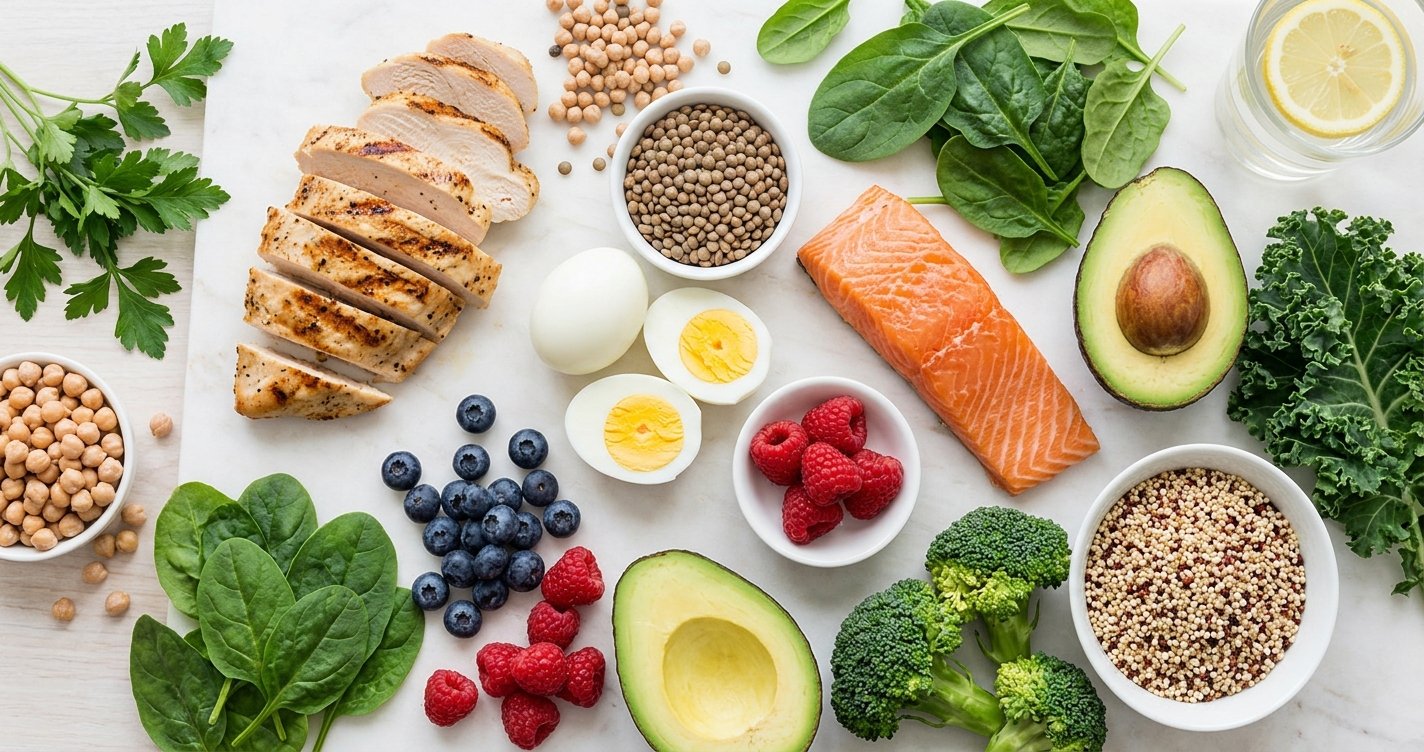
Unlock Sustainable Fat Loss: Harnessing the Power of Protein and Fiber
Are you tired of chasing quick fixes and restrictive diets that leave you feeling hungry, deprived, and ultimately, frustrated? You're not alone. The journey to sustainable fat loss often feels like a confusing maze of conflicting advice. But what if there was a simpler, more effective, and genuinely enjoyable path? The good news is, there is. And it starts with two powerful, often underestimated, nutritional superstars: protein and fiber.
Forget the endless calorie counting or cutting out entire food groups. This evidence-based guide will reveal how strategically incorporating more protein and fiber into your diet can revolutionize your fat loss efforts, helping you feel fuller, boost your metabolism, and achieve lasting results without constant struggle. Let's dive in! this excellent wellness product
Why Traditional Diets Often Fail (and What Works Instead)
Many popular diets focus solely on calorie restriction, leading to rapid initial weight loss that's hard to maintain. The problem? Extreme calorie deficits often result in muscle loss, a slower metabolism, and intense cravings. This creates a vicious cycle where weight is regained, often with extra fat. Sustainable fat loss isn't just about eating less; it's about eating smarter – optimizing your nutrient intake to support your body's natural fat-burning processes.
By prioritizing protein and fiber, you're not just cutting calories; you're enhancing satiety, stabilizing blood sugar, and supporting a healthy metabolism. This approach makes adherence easier and results more sustainable, transforming your relationship with food from one of restriction to one of nourishment and empowerment.
The Protein Powerhouse: Building Blocks for a Leaner You
Protein is much more than just a muscle builder; it's a critical ally in your fat loss journey. Here’s why:
Protein's Role in Fat Loss
- Satiety & Reduced Cravings: Protein is the most satiating macronutrient. Eating enough protein helps you feel fuller for longer, significantly reducing hunger pangs and the urge to snack unnecessarily.
- Thermic Effect of Food (TEF): Your body expends energy to digest, absorb, and metabolize food. Protein has the highest TEF, meaning you burn more calories digesting protein than you do carbs or fats. This gives your metabolism a slight, but consistent, boost.
- Muscle Preservation: When you're in a calorie deficit, your body can break down muscle tissue for energy. Adequate protein intake helps preserve lean muscle mass, which is crucial because muscle is metabolically active – it burns more calories at rest than fat does. Maintaining muscle keeps your metabolism revving.
How Much Protein Do You Really Need?
While individual needs vary, a common recommendation for fat loss is to aim for 1.6 to 2.2 grams of protein per kilogram of body weight per day (or 0.7 to 1 gram per pound). Distribute this intake across your meals and snacks to maximize its benefits.
Top Protein Sources
- Lean Meats: Chicken breast, turkey, lean beef, pork loin.
- Fish & Seafood: Salmon, tuna, cod, shrimp.
- Eggs: A complete protein source, versatile and affordable.
- Dairy: Greek yogurt, cottage cheese, milk, whey protein.
- Legumes: Lentils, chickpeas, black beans (also high in fiber!).
- Plant-Based: Tofu, tempeh, edamame, seitan, plant-based protein powders.
Fiber: Your Secret Weapon for Gut Health and Satiety
Often overlooked, dietary fiber is a game-changer for fat loss and overall health. It's the indigestible part of plant foods that plays a vital role in keeping your digestive system happy and your hunger in check.
The Magic of Fiber in Weight Management
- Enhanced Satiety: Like protein, fiber adds bulk to your meals, making you feel fuller without adding significant calories. It slows down digestion, keeping you satisfied for longer.
- Blood Sugar Control: Fiber, especially soluble fiber, helps stabilize blood sugar levels. This prevents rapid spikes and crashes that can lead to cravings and overeating.
- Gut Health & Microbiome: Fiber acts as a prebiotic, feeding the beneficial bacteria in your gut. A healthy gut microbiome is increasingly linked to improved metabolism and weight management.
- Improved Digestion: Both soluble and insoluble fiber contribute to healthy bowel function, preventing constipation and promoting regularity.
Soluble vs. Insoluble Fiber: Why Both Matter
- Soluble Fiber: Dissolves in water, forming a gel-like substance. It helps lower cholesterol, control blood sugar, and is found in oats, beans, apples, and citrus fruits.
- Insoluble Fiber: Doesn't dissolve in water. It adds bulk to stool, aiding digestion and preventing constipation. Found in whole grains, nuts, seeds, and the skins of fruits and vegetables.
Boosting Your Fiber Intake
Aim for 25-35 grams of fiber per day. Incorporate these fiber-rich foods:
- Fruits: Berries, apples, pears, bananas (eat the skin where possible!).
- Vegetables: Broccoli, spinach, carrots, Brussels sprouts, sweet potatoes.
- Whole Grains: Oats, quinoa, brown rice, whole-wheat bread.
- Legumes: Lentils, beans, chickpeas.
- Nuts & Seeds: Almonds, chia seeds, flax seeds.
Synergistic Duo: Protein and Fiber Working Together
The real magic happens when you combine protein and fiber. They don't just work individually; they amplify each other's benefits, creating the ultimate fat loss powerhouse.
The Ultimate Satiety Combo
Imagine a meal with high protein and high fiber. The protein keeps your muscles fed and metabolism active, while the fiber adds bulk and slows digestion. This powerful combination keeps you feeling full, energized, and less prone to those dreaded mid-afternoon slumps and subsequent cravings. It's a one-two punch against hunger and overeating.
Meal Ideas for Maximum Impact
- Breakfast: Greek yogurt with berries, chia seeds, and a sprinkle of nuts. Or scrambled eggs with spinach and whole-grain toast.
- Lunch: Large salad with grilled chicken/fish/chickpeas, plenty of mixed greens, and a vinaigrette dressing. Or a lentil soup with a side of whole-grain crackers.
- Dinner: Baked salmon with roasted broccoli and quinoa. Or lean ground turkey chili packed with beans and vegetables.
- Snacks: Apple slices with almond butter, cottage cheese with cucumber and a sprinkle of dill, or a handful of almonds with a pear.
Practical Tips for Integrating Protein and Fiber into Your Daily Life
Making these changes doesn't have to be overwhelming. Small, consistent steps lead to big results.
Start Your Day Strong
Prioritize a high-protein, high-fiber breakfast. This sets the tone for your day, stabilizes blood sugar, and reduces morning cravings.
Snack Smart
Instead of processed snacks, opt for combinations of protein and fiber. Think a handful of nuts and an apple, or a small container of Greek yogurt with berries.
Hydration and Mindful Eating
Don't forget water! Fiber needs water to work effectively. Also, practice mindful eating: eat slowly, savor your food, and pay attention to your body's hunger and fullness cues.
Don't Forget Resistance Training
While nutrition is key, combining your protein and fiber focus with regular resistance training will maximize muscle preservation and growth, further boosting your metabolism and body composition.
Your Path to Sustainable Fat Loss Starts Now
Say goodbye to the endless cycle of restrictive dieting and embrace a sustainable, nourishing approach to fat loss. By harnessing the power of protein and fiber, you're not just cutting calories; you're building a healthier, stronger, and more vibrant you.
Remember, consistency is key. Start by making small, achievable changes each week, focusing on adding more protein and fiber to your meals. Listen to your body, celebrate your progress, and enjoy the journey to a leaner, healthier, and happier you. You have the power to transform your body and your relationship with food – one delicious, nutrient-packed meal at a time!