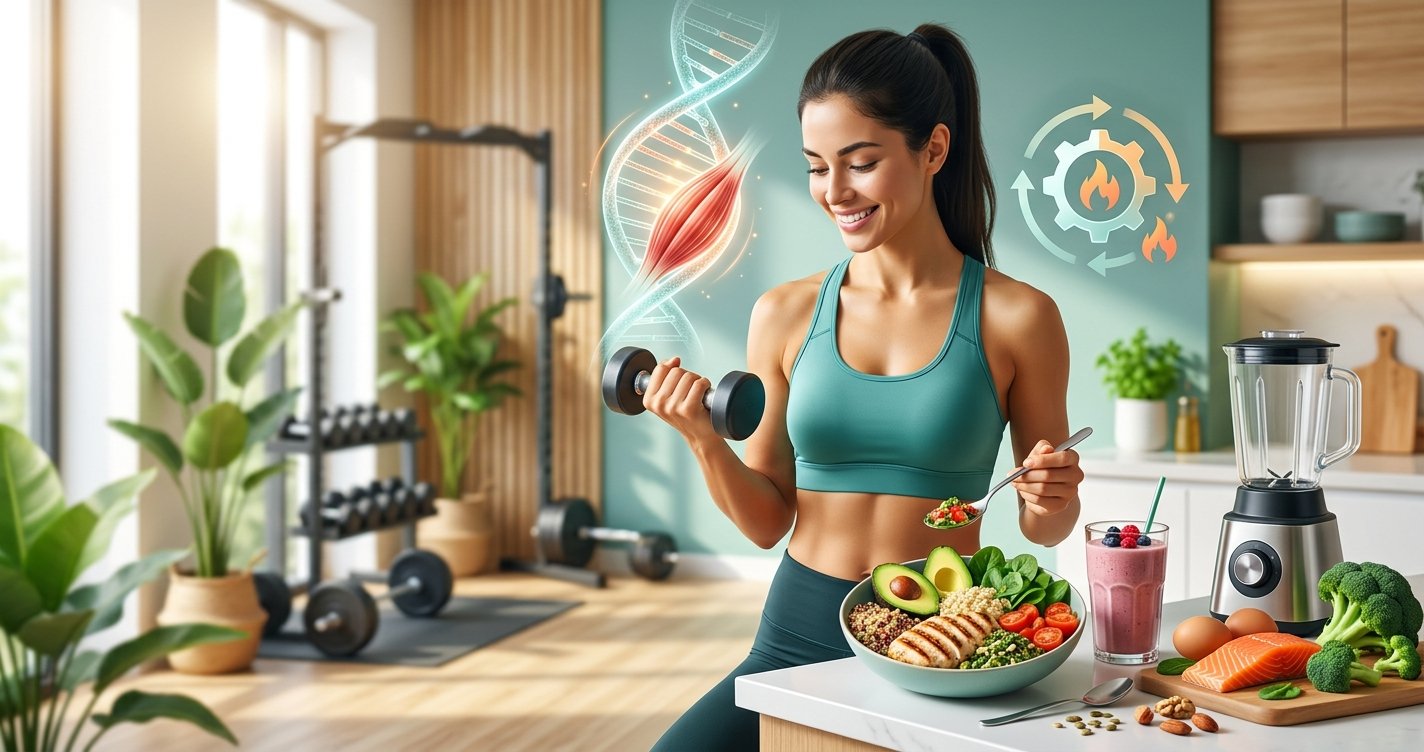
Embarking on a fat loss journey can often feel like a puzzle with many intricate pieces. You might be meticulously counting calories, cutting out certain foods, or spending hours at the gym. While these efforts are commendable, there's one powerful, often underutilized nutrient that can dramatically simplify the process and make your journey more effective and sustainable: protein.
Forget the fad diets and extreme restrictions for a moment. Instead, let's dive into how optimizing your protein intake can transform your body composition, boost your metabolism, keep you feeling satisfied, and ultimately help you achieve lasting fat loss without feeling deprived. It's not just about building big muscles; it's about smart nutrition for a leaner, healthier you. this excellent wellness product
Why Protein is Your Ultimate Ally for Fat Loss
Protein isn't just a building block for muscles; it's a metabolic marvel that plays several crucial roles in the fat loss equation. Understanding these mechanisms will empower you to make informed dietary choices.
The Satiety Factor: Feeling Fuller, Longer
One of the biggest challenges with any fat loss diet is hunger. When you restrict calories, your body naturally signals for more food. This is where protein shines! Protein is known for its incredible ability to increase satiety, meaning it keeps you feeling full and satisfied for longer compared to carbohydrates or fats. This isn't just a feeling; it's backed by science. Protein impacts several satiety hormones, reducing ghrelin (the hunger hormone) and increasing hormones like GLP-1 and CCK, which signal fullness to your brain. By incorporating adequate protein into your meals, you're less likely to experience intense cravings or overeat, making adherence to a calorie deficit significantly easier.
Boosting Your Metabolism: The Thermic Effect of Food (TEF)
Did you know that simply digesting food burns calories? This is called the Thermic Effect of Food (TEF), and it varies depending on the macronutrient. Protein has the highest TEF of all macronutrients. Approximately 20-30% of the calories you consume from protein are used up in its digestion and absorption, compared to 5-10% for carbohydrates and 0-3% for fats. This means that if you eat 100 calories of protein, your body might only net 70-80 calories because the rest are expended in processing it. By prioritizing protein, you're essentially giving your metabolism a gentle, continuous boost throughout the day, helping you burn more calories without extra effort.
Muscle Preservation: Protecting Your Metabolic Engine
When you're in a calorie deficit, your body doesn't just burn fat; it can also start breaking down muscle tissue for energy. This is a problem because muscle is metabolically active – it burns more calories at rest than fat does. Losing muscle mass can slow down your metabolism, making it harder to lose weight and easier to regain it. A higher protein intake, especially when combined with resistance training, helps to preserve lean muscle mass during fat loss. By protecting your muscle, you maintain a higher resting metabolic rate, which is crucial for sustainable fat loss and preventing the dreaded weight regain cycle.
How Much Protein Do You Really Need for Fat Loss?
The general dietary guidelines for protein are often lower than what is optimal for fat loss and muscle preservation. For active individuals aiming for fat loss, the recommendations are typically higher.
- General Recommendation: A good starting point for fat loss is often cited as 1.6 to 2.2 grams of protein per kilogram of body weight per day (or approximately 0.7 to 1 gram per pound of body weight).
- Higher Activity Levels or Significant Calorie Deficit: If you're very active, engaged in intense resistance training, or on a more aggressive calorie deficit, you might benefit from slightly higher amounts, sometimes up to 2.5-3.0 grams per kilogram (1.1-1.4 grams per pound) to maximize muscle preservation and satiety.
It's important to distribute your protein intake throughout the day rather than consuming it all in one meal. Aim for 20-40 grams of protein per main meal and 10-20 grams for snacks to optimize muscle protein synthesis and keep hunger at bay.
Practical Strategies to Boost Your Protein Intake
Integrating more protein into your diet doesn't have to be complicated or boring. Here are some actionable tips:
Prioritize Protein at Every Meal
- Breakfast: Instead of sugary cereals, opt for Greek yogurt, eggs, cottage cheese, protein powder in a smoothie, or lean breakfast meats.
- Lunch & Dinner: Build your plate around a lean protein source like chicken breast, fish, lean beef, turkey, tofu, lentils, or beans. Aim for a portion size roughly the size of your palm.
- Vegetarian/Vegan Sources: Don't forget plant-based proteins like lentils, chickpeas, black beans, edamame, tofu, tempeh, seitan, quinoa, and plant-based protein powders.
Smart Snacking Choices
Replace highly processed, low-protein snacks with protein-rich alternatives that will keep you satisfied:
- Hard-boiled eggs
- A handful of almonds or walnuts
- Greek yogurt (plain, unsweetened)
- Cottage cheese
- String cheese
- Edamame
- Protein bars (choose wisely with low sugar)
- Leftover lean protein from a meal
Protein Supplements: When and How
While whole foods should always be your primary source, protein supplements can be a convenient and effective way to meet your daily targets, especially if you have a busy lifestyle or higher protein needs.
- Whey Protein: Fast-digesting, great post-workout or for quick protein boosts.
- Casein Protein: Slow-digesting, ideal before bed or for sustained release throughout the day.
- Plant-Based Proteins: Pea, rice, hemp, or soy protein powders are excellent options for vegetarians, vegans, or those with dairy sensitivities.
Mix them into smoothies, water, or milk. Remember, supplements are meant to supplement, not replace, whole foods.
Meal Planning & Preparation Tips
A little planning goes a long way. Dedicate some time each week to:
- Batch Cooking: Cook larger quantities of protein sources like chicken, turkey, or lentils that you can use for multiple meals.
- Pre-Portioning: Divide cooked protein into individual portions for easy grab-and-go meals or snacks.
- Stock Your Pantry: Keep protein-rich staples on hand, such as canned tuna/salmon, dried lentils, protein powder, and frozen edamame.
Common Protein Myths Debunked
Despite its benefits, protein often gets a bad rap due to persistent myths.
Myth: Too Much Protein is Bad for Your Kidneys
For healthy individuals with normal kidney function, there is extensive research indicating that a high-protein diet (within reasonable limits, like those recommended for fat loss) does not cause kidney damage. While individuals with pre-existing kidney disease do need to monitor protein intake, this concern doesn't apply to the general healthy population. Always consult with a healthcare professional if you have specific health concerns.
Myth: Protein Will Make Women Bulky
This is a common misconception, especially among women. Building significant muscle mass requires a very specific training regimen, often combined with a caloric surplus and specific hormonal profiles (like higher testosterone levels), which most women naturally lack. Increasing protein intake for fat loss will primarily help preserve lean muscle, improve body composition, and enhance satiety, not turn you into a bodybuilder overnight.
Putting It All Together: A Sample High-Protein Day
Here’s a simple example of how you might structure a day focused on higher protein intake:
- Breakfast: Greek yogurt (plain, 1 cup) with berries and a scoop of protein powder, or 3 scrambled eggs with spinach.
- Snack: Small handful of almonds and a piece of fruit.
- Lunch: Large salad with 4-6 oz grilled chicken or chickpeas, plenty of veggies, and a light vinaigrette.
- Snack: Cottage cheese (1/2 cup) with a few cherry tomatoes.
- Dinner: Baked salmon (5-6 oz) with a generous serving of roasted broccoli and quinoa.
This provides a consistent flow of protein throughout the day, helping to manage hunger and support your metabolism.
Conclusion: Embrace Protein for a Smarter Fat Loss Journey
Protein is far more than just a nutrient for bodybuilders; it's a fundamental pillar of effective and sustainable fat loss. By strategically increasing your protein intake, you can harness its power to control hunger, boost your metabolism, preserve precious muscle mass, and ultimately make your journey towards a leaner, healthier body a more enjoyable and successful one. Start prioritizing protein today, and watch as your fat loss efforts become more efficient, satisfying, and long-lasting!