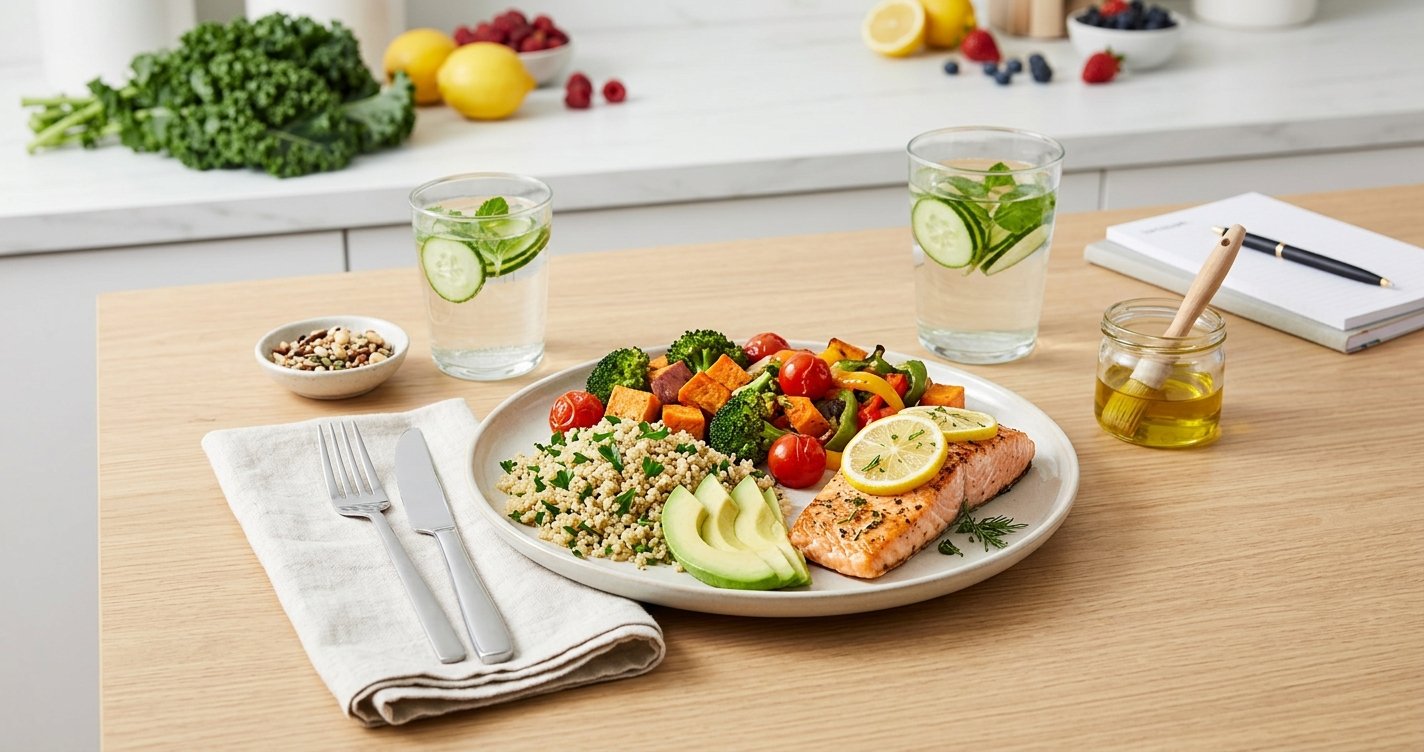
Unlock Sustainable Fat Loss: Your Ultimate Guide to Smarter Nutrition, Not Deprivation
Let's be honest: the world of fat loss can feel like a minefield. One day, carbs are the enemy; the next, it's fats. Quick fixes, detox teas, and extreme diets promise instant results but often leave us feeling frustrated, deprived, and right back where we started. If you're tired of the endless cycle of restrictive eating and unsustainable plans, you're in the right place.
This guide isn't about magical pills or overnight transformations. Instead, we're diving deep into the power of smart, evidence-based nutrition strategies that not only help you shed unwanted fat but also support your overall health and well-being for the long haul. Get ready to build a sustainable, enjoyable relationship with food that fuels your body, satisfies your cravings, and helps you achieve lasting fat loss without the constant struggle. this excellent wellness product
The Foundation: Understanding a Calorie Deficit (Without Deprivation)
At its core, fat loss boils down to one fundamental principle: consuming fewer calories than your body burns. This state is known as a calorie deficit. While it sounds simple, the execution is where many go wrong, often opting for extreme cuts that lead to hunger, fatigue, and eventual rebound weight gain.
A sustainable calorie deficit isn't about starvation; it's about making mindful choices that reduce your overall calorie intake while ensuring you still get adequate nutrients. Think of it as a gentle nudge, not a harsh shove. For most people, a deficit of 300-500 calories per day is a good starting point. This allows for steady fat loss (typically 1-2 pounds per week) without drastically impacting your energy levels or metabolism. Focus on reducing calories from less nutritious sources first, rather than cutting out entire food groups.
Tools like online calculators can estimate your Total Daily Energy Expenditure (TDEE), giving you a baseline for how many calories your body burns. From there, you can subtract your desired deficit. Remember, these are estimates; listen to your body and adjust as needed.
Prioritize Protein: Your Fat Loss Powerhouse
If there's one macronutrient you should be prioritizing for fat loss, it's protein. Protein is an absolute game-changer, and here's why:
- Satiety: Protein is incredibly filling. Studies consistently show that a higher protein intake helps reduce hunger and keeps you feeling fuller for longer, naturally leading to lower calorie intake throughout the day.
- Muscle Preservation: When you're in a calorie deficit, your body can break down muscle tissue for energy. Adequate protein intake helps preserve precious muscle mass, which is crucial because muscle burns more calories at rest than fat does.
- Thermic Effect of Food (TEF): Protein has a higher TEF than carbs or fats. This means your body expends more energy (calories) digesting and metabolizing protein than it does for other macronutrients. It's a small but significant boost to your daily calorie burn.
How much protein do you need?
For fat loss, aim for roughly 0.7 to 1 gram of protein per pound of your target body weight (or lean body mass if you know it). Include a good source of protein with every meal and snack. Excellent sources include lean meats (chicken, turkey, beef), fish, eggs, dairy (Greek yogurt, cottage cheese), legumes (lentils, beans), and plant-based proteins like tofu and tempeh.
Smart Carbs and Healthy Fats: Fueling Your Body Right
Carbohydrates and fats have often been demonized in the fat loss world, but they are essential for health, energy, and even satiety. The key is choosing the right kinds.
Carbohydrates: Your Energy Source
Carbs provide the primary fuel for your brain and muscles. Instead of cutting them out, focus on complex carbohydrates rich in fiber. These include:
- Whole grains (oats, quinoa, brown rice, whole-wheat bread)
- Fruits (berries, apples, bananas)
- Vegetables (broccoli, spinach, sweet potatoes)
- Legumes (beans, lentils)
These slow-digesting carbs provide sustained energy, prevent blood sugar spikes, and contribute to satiety thanks to their fiber content. Limit highly processed, refined carbohydrates like sugary drinks, white bread, and pastries, which offer little nutritional value and can lead to energy crashes.
Healthy Fats: Essential for Hormones and Satiety
Dietary fats are crucial for hormone production, nutrient absorption, and providing a sense of fullness. While they are calorie-dense, healthy fats play a vital role in a balanced diet. Focus on:
- Monounsaturated fats (avocados, olive oil, nuts)
- Polyunsaturated fats (fatty fish like salmon, walnuts, flaxseeds)
These fats can help reduce inflammation and support overall health. Incorporate them in moderation, being mindful of portion sizes due to their higher calorie count.
Hydration and Fiber: The Unsung Heroes of Fat Loss
Often overlooked, adequate hydration and fiber intake are powerful allies in your fat loss journey.
Water: The Ultimate Thirst Quencher and Metabolism Booster
Drinking enough water is fundamental. It helps:
- Boost Metabolism: Some research suggests that drinking water can temporarily increase your metabolic rate.
- Reduce Hunger: Sometimes, thirst is mistaken for hunger. Staying well-hydrated can help you avoid unnecessary snacking.
- Aid Digestion: Water is essential for proper digestion and nutrient absorption.
- Support Workouts: Proper hydration optimizes physical performance, making your workouts more effective.
Aim for at least 8 glasses (about 2 liters) of water per day, and more if you're active or in a hot climate.
Fiber: The Digestive Dynamo
Fiber is a type of carbohydrate that your body can't digest, but it's incredibly beneficial for fat loss:
- Satiety: Fiber adds bulk to your meals, making you feel fuller for longer and reducing overall calorie intake.
- Blood Sugar Control: Soluble fiber helps slow down the absorption of sugar, preventing spikes and crashes that can lead to cravings.
- Gut Health: A healthy gut microbiome is increasingly linked to weight management and overall health.
Increase your fiber intake through fruits, vegetables, whole grains, legumes, nuts, and seeds. Gradual increases are best to avoid digestive discomfort.
Beyond the Plate: Mindset, Sleep, and Stress Management
Nutrition is paramount, but true sustainable fat loss encompasses more than just what you eat. Your lifestyle factors play a huge role.
- Mindful Eating: Pay attention to your body's hunger and fullness cues. Eat slowly, savor your food, and avoid distractions. This helps you recognize when you're truly satisfied and prevents overeating.
- Quality Sleep: Lack of sleep can wreak havoc on your hunger hormones. Sleep deprivation increases ghrelin (the hunger hormone) and decreases leptin (the satiety hormone), making you feel hungrier and crave unhealthy foods. Aim for 7-9 hours of quality sleep per night.
- Stress Management: Chronic stress elevates cortisol levels, a hormone that can promote fat storage, especially around the midsection. Find healthy ways to manage stress, such as meditation, yoga, spending time in nature, or hobbies you enjoy.
Practical Strategies for Everyday Success
Knowledge is power, but application is what truly drives results. Here are actionable tips to integrate these nutrition principles into your daily life:
- Meal Planning & Prep: Dedicate time each week to plan your meals and snacks. Prepare ingredients or entire meals in advance to make healthy eating effortless, especially on busy days.
- Portion Awareness: You don't necessarily need to meticulously count every calorie, but being aware of appropriate portion sizes is crucial. Use smaller plates, measure out calorie-dense foods like nuts and oils, and learn to eyeball reasonable portions.
- Read Food Labels: Understand what's in your food. Pay attention to serving sizes, calories, protein, fiber, and sugar content. Opt for whole, unprocessed foods whenever possible.
- Hydrate Before Meals: Drinking a glass of water before each meal can help you feel fuller and potentially reduce your food intake.
- Smart Snacking: If you need snacks, choose protein-rich and fiber-rich options like Greek yogurt with berries, a handful of almonds, or vegetable sticks with hummus.
- Be Patient and Consistent: Fat loss is a journey, not a race. There will be good days and challenging days. Focus on consistency over perfection. One off-meal or day won't derail your progress; getting back on track is what matters most.
Embrace Your Sustainable Journey
Achieving sustainable fat loss isn't about rigid rules or sacrificing all your favorite foods. It's about making informed, conscious choices that nourish your body, support your goals, and fit into your lifestyle. By prioritizing protein, choosing smart carbs and healthy fats, staying hydrated, embracing fiber, and managing stress and sleep, you're building a foundation for lasting success.
Remember, this is your journey. Be kind to yourself, celebrate small victories, and focus on progress, not perfection. You have the power to transform your health and achieve a body that feels strong, vibrant, and aligned with your goals. Start incorporating these strategies today, one step at a time, and watch as sustainable fat loss becomes a natural part of your life.