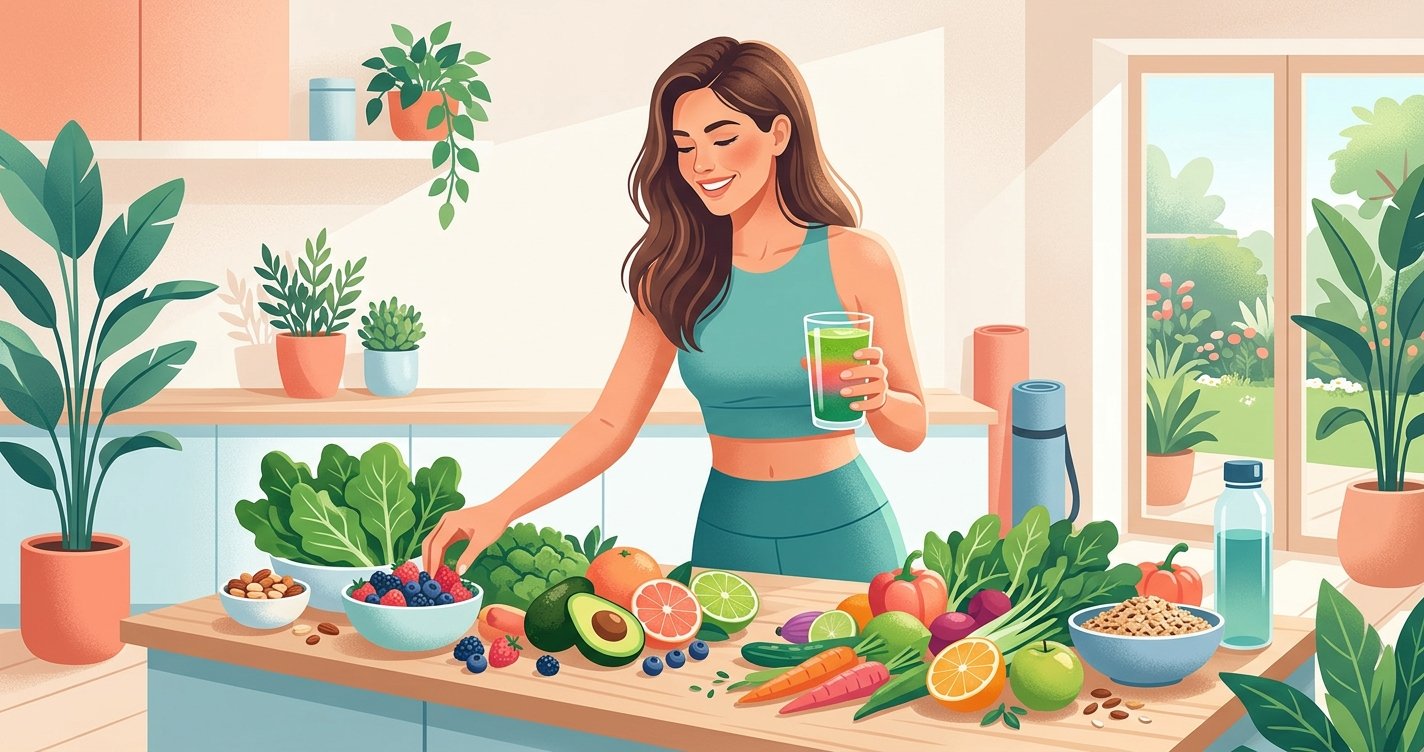
Tired of Yo-Yo Diets? Discover the Power of Sustainable Fat Loss Through Smart Nutrition!
Let's be honest: the world of fat loss can feel overwhelming. Everywhere you look, there's a new fad diet promising rapid results, often followed by rapid disappointment. You cut carbs, you only eat grapefruit, you drink strange concoctions – and while the scale might budge initially, those changes rarely stick. Why? Because true, lasting fat loss isn't about deprivation; it's about creating sustainable habits that nourish your body and mind.
This isn't another quick-fix guide. Instead, we're diving deep into the evidence-based, friendly, and encouraging world of nutrition strategies that actually work for sustainable fat loss. We'll explore how to fuel your body intelligently, make peace with food, and build a foundation for a healthier, happier you, for good. this excellent wellness product
Why "Sustainable" is the Secret Sauce for Fat Loss
The word "sustainable" is key here. Crash diets often lead to nutrient deficiencies, muscle loss, metabolic slowdown, and an unhealthy relationship with food. They're designed for short-term results, not long-term health. Sustainable fat loss, on the other hand, focuses on gradual, consistent changes you can maintain for life. It's about:
- Nourishment over Deprivation: Eating foods that provide essential nutrients and energy.
- Flexibility: Allowing for occasional treats and social eating without guilt.
- Enjoyment: Finding pleasure in healthy meals and the process of self-improvement.
- Long-Term Health: Improving not just your weight, but your energy, mood, and overall well-being.
By shifting your mindset from a temporary diet to a permanent lifestyle change, you unlock the door to genuine, lasting success.
The Pillars of Fat Loss Nutrition: It's More Than Just Calories
While a calorie deficit is fundamental for fat loss, focusing solely on calories misses the bigger picture. The quality of your calories, the balance of your macronutrients, and your overall eating habits play equally crucial roles.
Calorie Deficit: The Non-Negotiable Foundation
At its core, fat loss occurs when you consistently consume fewer calories than your body burns. This creates an energy deficit, prompting your body to tap into stored fat for fuel. However, this doesn't mean extreme restriction!
- Small & Steady Wins: Aim for a modest deficit of 300-500 calories per day. This allows for steady fat loss (typically 1-2 pounds per week) without feeling overly hungry or deprived.
- Don't Undereat: Eating too few calories can slow your metabolism and make adherence difficult. Your body needs a certain amount of energy just to function.
- Track Mindfully: Using an app or food diary for a few weeks can help you understand your current intake, but don't get obsessive. The goal is awareness, not perfection.
Macronutrients: Fueling Your Body Right
Macronutrients (protein, carbohydrates, and fats) are the building blocks of your diet, each playing a unique role in fat loss and overall health.
- Protein: The Satiety Superstar & Muscle Preserver. Protein is incredibly important for fat loss. It helps you feel full longer, reducing overall calorie intake. It also has a higher thermic effect (meaning your body burns more calories digesting it) and, crucially, helps preserve lean muscle mass during a calorie deficit. Aim for 0.7-1 gram of protein per pound of body weight.
Examples: Lean meats, poultry, fish, eggs, dairy, legumes, tofu, protein powder. - Carbohydrates: Your Body's Preferred Energy Source. Don't fear carbs! They provide essential energy for your brain and muscles. The key is choosing the right kind. Focus on complex carbohydrates rich in fiber, which aid digestion, stabilize blood sugar, and contribute to satiety.
Examples: Whole grains (oats, brown rice, quinoa), fruits, vegetables, sweet potatoes. - Fats: Essential for Hormones & Satiety. Healthy fats are vital for hormone production, nutrient absorption, and long-term satiety. While calorie-dense, incorporating moderate amounts of healthy fats can prevent cravings and keep you feeling satisfied.
Examples: Avocados, nuts, seeds, olive oil, fatty fish (salmon).
Food Quality: Choose Wisely, Not Just Less
Eating 1500 calories of highly processed foods will yield very different results than 1500 calories of whole, unprocessed foods. Nutrient-dense foods provide vitamins, minerals, and fiber, keeping you healthier and fuller on fewer calories.
- Prioritize Whole Foods: Think foods that look like they came from nature – fruits, vegetables, lean proteins, whole grains.
- Limit Processed Foods: These are often high in added sugars, unhealthy fats, and sodium, and are typically less filling.
- Embrace Fiber: Found in fruits, vegetables, whole grains, and legumes, fiber is a game-changer for fat loss. It adds bulk to your meals, promoting fullness and aiding digestion.
Hydration: Often Overlooked, Always Essential
Water is crucial for countless bodily functions, including metabolism. Sometimes, thirst can be mistaken for hunger, leading to unnecessary snacking. Drinking enough water can also help you feel fuller before and during meals.
- Sip Throughout the Day: Aim for at least 8 glasses (around 2 liters) of water daily, more if you're active.
- Water Before Meals: Drinking a glass of water before eating can help reduce overall intake.
- Flavor Your Water: Add lemon, lime, cucumber, or berries if plain water gets boring.
Practical Strategies for Everyday Success
Knowledge is power, but application is everything. Here are actionable steps to integrate these nutrition principles into your daily life.
Meal Planning & Preparation: Your Roadmap to Consistency
Failing to plan is planning to fail, especially when it comes to healthy eating. Taking time to plan your meals can drastically improve your adherence.
- Weekly Meal Prep: Dedicate a few hours to cooking staples like grilled chicken, roasted vegetables, or a batch of quinoa.
- Plan Your Snacks: Keep healthy, pre-portioned snacks on hand to avoid reaching for unhealthy options when hunger strikes. Examples: Greek yogurt, an apple with a tablespoon of nut butter, hard-boiled eggs, a handful of almonds.
Mindful Eating: Reconnecting with Your Body's Signals
Mindful eating is about paying attention to your food, your body's hunger and fullness cues, and the experience of eating. It helps prevent overeating and fosters a healthier relationship with food.
- Eat Slowly: Put down your fork between bites. It takes about 20 minutes for your stomach to signal to your brain that you're full.
- Eliminate Distractions: Turn off the TV, put away your phone. Focus on the taste, texture, and aroma of your meal.
- Listen to Your Body: Eat when you're hungry, stop when you're satisfied, not stuffed.
Navigating Social Situations & Cravings
Life happens! You'll encounter social gatherings, restaurant meals, and cravings. Sustainable fat loss means learning to navigate these without derailing your progress.
- Restaurant Smart: Look at menus online beforehand. Choose grilled or baked options, ask for sauces on the side, and don't be afraid to ask for a to-go box for half your meal.
- Party Prep: Eat a healthy snack before you go to avoid arriving famished. Focus on conversations, not just the food table.
- Handle Cravings: Acknowledge them, don't fight them. Sometimes, a small portion of what you're craving can satisfy it better than trying to substitute with something you don't really want. Consider the 80/20 rule: eat healthily 80% of the time, and allow for flexibility 20% of the time.
Beyond the Plate: Lifestyle Factors That Supercharge Your Progress
While nutrition is paramount, don't forget the supporting roles of other lifestyle elements in your fat loss journey.
- Quality Sleep: Lack of sleep can disrupt hunger hormones (ghrelin and leptin), leading to increased cravings and appetite. Aim for 7-9 hours per night.
- Stress Management: Chronic stress can elevate cortisol levels, which can promote fat storage, especially around the midsection. Find healthy ways to manage stress, such as meditation, yoga, or spending time in nature.
- Physical Activity: While you can't out-exercise a bad diet, regular exercise, especially a combination of strength training and cardio, complements your nutrition efforts by burning calories, building muscle, and boosting metabolism.
Your Journey to Sustainable Fat Loss Starts Now
Embarking on a sustainable fat loss journey through smart nutrition is a powerful act of self-care. It's not about being perfect, but about being consistent, making informed choices, and being kind to yourself along the way. Expect plateaus, learn from setbacks, and celebrate every small victory.
Remember, this is a marathon, not a sprint. By focusing on whole foods, balancing your macros, staying hydrated, and adopting mindful eating practices, you're not just losing weight – you're building a healthier, more vibrant life. Take that first step today, and empower yourself with the knowledge to make lasting change. Your body, and your future self, will thank you!