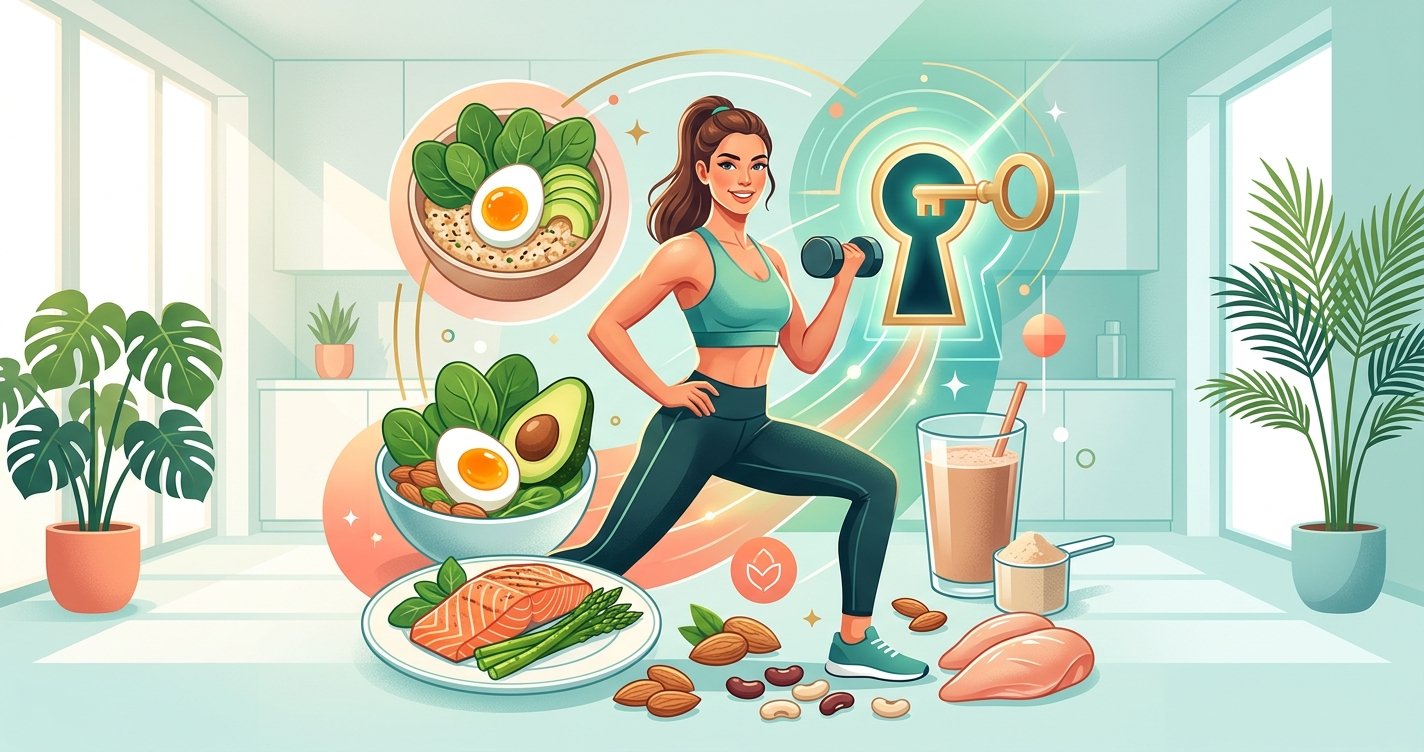
Unlock Sustainable Fat Loss: The Unbeatable Power of Protein
Embarking on a fat loss journey can often feel like navigating a complex maze, filled with conflicting advice and temporary solutions. Many diets promise quick fixes, only to leave you feeling hungry, deprived, and ultimately, back where you started. But what if there was a powerful, science-backed tool that could make your fat loss journey not only more effective but also more sustainable and enjoyable? Enter protein – your secret weapon for lasting results.
Often associated with bodybuilders or elite athletes, protein's incredible benefits for general fat loss are frequently overlooked. It’s not just about building big muscles; it's about nourishing your body, curbing hunger, boosting your metabolism, and preserving the lean muscle that keeps your body a calorie-burning machine. In this comprehensive guide, we'll dive deep into why protein is an absolute game-changer for sustainable fat loss, backed by evidence, and how you can easily incorporate more of it into your daily life. this excellent wellness product
Why Protein is Your Ultimate Fat Loss Ally
When it comes to shedding unwanted fat, not all macronutrients are created equal. Protein stands out for three key reasons that directly contribute to successful and sustainable fat loss:
- Satiety Powerhouse: It keeps you feeling fuller for longer, naturally reducing overall calorie intake.
- Metabolic Booster: It requires more energy to digest and metabolize, giving your metabolism a slight but significant bump.
- Muscle Protector: It helps preserve your precious muscle mass, which is crucial for maintaining a healthy metabolism, especially when you're in a calorie deficit.
Let's explore each of these benefits in more detail.
The Science Behind Protein and Satiety: Conquer Cravings
One of the biggest hurdles in any fat loss journey is hunger. Constant cravings and the feeling of deprivation can quickly derail even the most determined efforts. This is where protein shines. Protein has a profound effect on satiety, the feeling of fullness and satisfaction after eating, far more than carbohydrates or fats.
How does it work? When you consume protein, it triggers the release of specific gut hormones, such as GLP-1 and PYY. These hormones signal to your brain that you're full, reducing appetite and cravings. Studies consistently show that higher protein diets lead to reduced caloric intake throughout the day because people simply feel less hungry and are less likely to overeat or snack unnecessarily. By prioritizing protein, you're not just eating for fuel; you're eating to feel satisfied and in control, making adherence to a calorie deficit much easier and more enjoyable.
Boost Your Metabolism: The Thermic Effect of Food (TEF)
Did you know that your body burns calories just by digesting and processing the food you eat? This is known as the Thermic Effect of Food (TEF). And guess which macronutrient has the highest TEF? You guessed it – protein!
- Protein: 20-30% of its calories are burned during digestion.
- Carbohydrates: 5-10% of their calories are burned.
- Fats: 0-3% of their calories are burned.
This means that for every 100 calories of protein you consume, your body uses 20-30 of those calories just to break it down and absorb it. While this might seem like a small number, these extra calories burned add up over time, contributing to a higher daily energy expenditure. It's like a subtle, continuous metabolic boost that helps you burn a little more fat without even trying.
Protecting Your Gains: Protein's Role in Muscle Preservation
When you're trying to lose fat, the goal is to shed fat, not muscle. Unfortunately, when you restrict calories, your body can sometimes break down muscle tissue for energy, especially if you're not consuming enough protein. This is a problem because muscle is metabolically active – it burns more calories at rest than fat does. Losing muscle means a slower metabolism, making sustained fat loss harder in the long run and increasing the chances of weight regain.
Protein provides the essential amino acids your body needs to repair and build muscle tissue. By ensuring adequate protein intake during a calorie deficit, you help signal to your body to preserve your valuable lean muscle mass while primarily tapping into fat stores for energy. This not only keeps your metabolism firing but also helps you achieve a more toned and defined physique.
How Much Protein Do You Really Need for Fat Loss?
While general dietary guidelines often recommend around 0.8 grams of protein per kilogram of body weight, for effective fat loss and muscle preservation, these recommendations are typically higher.
Most evidence suggests aiming for 1.6 to 2.2 grams of protein per kilogram of body weight (or 0.7 to 1.0 grams per pound of body weight) per day when you're actively trying to lose fat. For example, a person weighing 70kg (approx. 154 lbs) might aim for 112-154 grams of protein daily. Spreading this intake evenly throughout your meals and snacks is often more beneficial for satiety and muscle protein synthesis.
Best Sources of Protein: Fuel Your Body Smartly
Incorporating more protein into your diet doesn't have to be complicated or boring. There's a vast array of delicious and nutritious options available:
Animal-Based Protein Sources:
- Lean Meats: Chicken breast, turkey, lean beef, pork tenderloin.
- Fish and Seafood: Salmon, tuna, cod, shrimp (rich in omega-3s too!).
- Eggs: A complete protein, versatile, and affordable.
- Dairy: Greek yogurt, cottage cheese, milk, whey protein powder (excellent for snacks and post-workout).
Plant-Based Protein Sources:
- Legumes: Lentils, chickpeas, black beans, kidney beans.
- Tofu & Tempeh: Versatile soy products perfect for stir-fries, salads, or grilling.
- Edamame: Great as a snack or in salads.
- Quinoa: A complete protein grain.
- Nuts & Seeds: Almonds, peanuts, chia seeds, flax seeds, pumpkin seeds (also provide healthy fats and fiber).
- Plant-Based Protein Powders: Pea, rice, hemp protein powders can be great additions to smoothies.
Aim for a variety to ensure you're getting a full spectrum of amino acids and other essential nutrients.
Making Protein a Priority: Practical Tips for Daily Intake
Shifting your diet to be more protein-centric doesn't require a complete overhaul. Small, consistent changes can make a big difference:
- Start Your Day Strong: Make breakfast protein-rich. Think eggs, Greek yogurt, cottage cheese, or a protein smoothie instead of sugary cereals or pastries.
- Prioritize Protein at Every Meal: Build your meals around a lean protein source. Make it the star of your plate.
- Smart Snacking: Ditch the chips and cookies for protein-packed snacks like hard-boiled eggs, a handful of almonds, a scoop of cottage cheese, or a protein bar.
- Meal Prep Power: Cook larger batches of protein (like chicken breast or lentils) at the beginning of the week to easily add to meals.
- Hydrate Thoughtfully: Sometimes thirst is mistaken for hunger. Drink plenty of water throughout the day, especially before meals.
- Consider Protein Supplements: If meeting your protein goals through whole foods alone is challenging, a high-quality protein powder can be a convenient and effective addition.
Common Myths and Misconceptions About Protein
Despite its benefits, protein often gets a bad rap due to various myths:
- Myth: Too much protein is bad for your kidneys.
Fact: For healthy individuals with no pre-existing kidney conditions, there's no strong evidence that high protein intake causes kidney damage. In fact, studies show it's safe and beneficial for fat loss. Always consult your doctor if you have kidney issues. - Myth: Protein will make you bulky.
Fact: Building significant muscle mass requires intense strength training, a specific caloric surplus, and often hormonal factors. Eating more protein alone will not make you bulky; it will help you preserve and potentially build lean muscle, which contributes to a toned physique. - Myth: Protein is only for athletes.
Fact: Everyone, regardless of activity level, needs adequate protein for basic bodily functions, repair, and overall health. Its benefits for satiety and metabolism are universal.
Embrace the Power of Protein for Lasting Change
Sustainable fat loss isn't about deprivation; it's about smart, nourishing choices that support your body and mind. By making protein a cornerstone of your diet, you're not just aiming for a number on the scale; you're investing in a strategy that helps you feel fuller, boost your metabolism, preserve muscle, and ultimately, build a healthier, stronger you.
Remember, consistency is key. Start by making small, manageable changes, experiment with different protein sources, and enjoy the journey towards a more vibrant and energetic life. Your body will thank you!